
Most homeowners in Northwest Arkansas don’t think about their roof until something goes wrong. Well, it’s easy to forget about the structure that sits quietly above you every day, keeping your home warm, dry, and protected from the weather.
But even a strong roof doesn’t last forever. Small issues can build up over time, and when they go unnoticed, they turn into bigger, more expensive problems.

The good news is that your roof usually “talks” to you long before major trouble shows up. And, noticing early signs of wear and tear can save you money, protect your home, and help you avoid stressful repairs down the road.
That being said, whether you live in an older home or a newer one, keeping an eye on your roof is one of the smartest home-care habits you can build. Here are the key signs that your roof needs attention — and why acting early can prevent bigger problems later.
1. Missing, Cracked, or Curling Shingles
Shingles are your roof’s first line of defense, and when something looks off with them, it’s a clear warning sign. Missing, curling, cracked, or brittle shingles can allow water to seep underneath, exposing the layers below to moisture. Even one damaged patch can lead to leaks, mold growth, or structural damage if it’s ignored.
You may notice:
- Shingles lifting or curling at the edges.
- Bald patches where granules are missing.
- Cracked shingles split down the middle.
- Loose shingles after a storm.
Shingles wear down naturally over time, but weather plays a huge role, too. Strong winds, heavy rain, and sunlight gradually weaken roofing materials. The sooner damaged shingles are replaced, the better chance you have of preventing water from making its way indoors.
2. Water Stains or Damp Spots Inside Your Home
You don’t have to climb onto your roof to spot roof trouble. Sometimes the signs show up inside your home long before you see anything outside.
Warning signs include:
- Yellow or brown stains on ceilings.
- Damp patches on walls.
- Peeling paint or bubbling drywall.
- Musty smells in attic spaces.
- Visible moisture after rain.
These symptoms mean moisture is finding a way in. Even a tiny leak can cause widespread issues, especially if it drips slowly over time. Water damage can also affect insulation, weakening its ability to keep your home warm in winter and cool in summer.
So, if you’re noticing recurring stains or moisture indoors, this is a moment to act quickly. In such conditions, many homeowners turn to reliable roof repair services in Northwest Arkansas from trusted providers like Pinnacle Roofing, because leaks rarely stay small for long. Thereafter, experienced roofing professionals can trace hidden moisture paths, detect structural soft spots, and fix early-stage damage before it spreads.
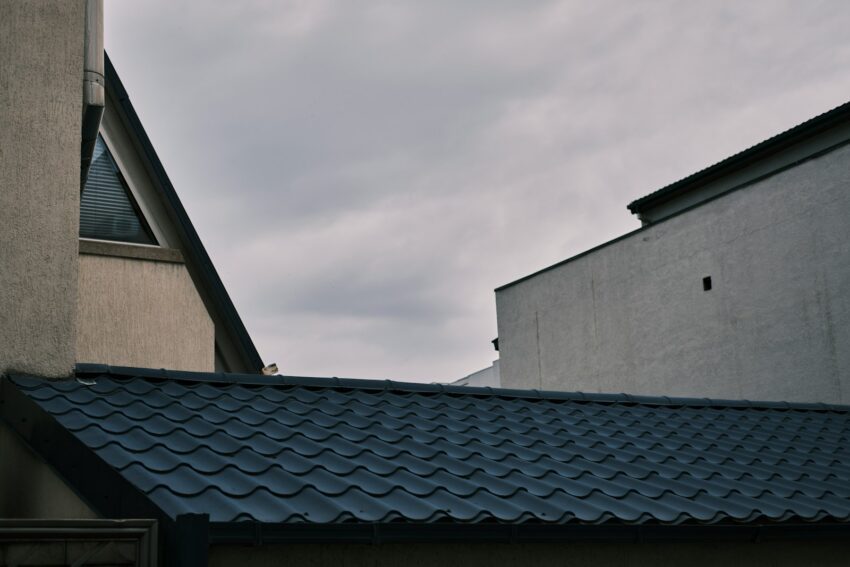
3. Granules in Gutters or Around Your Foundation
Those little sand-like granules on your shingles aren’t just for looks — they protect your roof from the sun and weather. Over time, as a roof ages, granules begin to loosen. While a little shedding is normal, lots of granules collecting in your gutters or around your home is a sign your roof may be wearing down faster than it should.
Heavy granule loss means:
- Shingles are losing their protective coating.
- Your roof may be heating up faster.
- UV rays are causing premature aging.
- A breakdown is happening at the material level.
If your roof looks patchy, darker in some spots, or uneven in texture, granule loss may be the cause. This is often an early indicator that your roof may need repair or be approaching the end of its lifespan. A quick gutter check each season is one of the easiest ways to catch this sign early.
4. Sagging or Uneven Roof Lines
Your roof should look straight and sturdy. If parts of it seem to dip, sag, or appear uneven, this is a more serious issue. Sagging can happen for several reasons:
- Moisture damage inside the roof decking.
- Structural weakening.
- Long-term leaks.
- Heavy snow or debris buildup.
- Faulty installation or poor ventilation.
Even a small sag indicates stress in the roof structure. Ignoring this sign can lead to major repairs in the future — or, in worst cases, parts of the roof becoming unsafe.
All in all, if your roofline doesn’t look smooth or symmetrical, it’s important to have it checked promptly. Early intervention can prevent significant structural issues later.
Conclusion
Your roof doesn’t need constant attention, but it does need awareness. Small issues can turn into big — and expensive — problems if they’re ignored for too long. By paying attention to the early signs, you protect not only your roof but your entire home.
Damaged shingles, leaks, granule loss, sagging, and attic light gaps are all signals asking for attention. The earlier you address them, the more time, money, and stress you save. Last but not least, a healthy roof is essential for comfort, safety, and peace of mind — and staying proactive ensures your home stays protected year after year.