
Home renovations are fun in theory. You look for inspo on Pinterest. You choose floor and wall colors. You create your dream home. But in real life, it’s different. There’s dust on the couch. Tools on the floor. Strangers walking through your kitchen. Kids running around. It can turn chaotic.
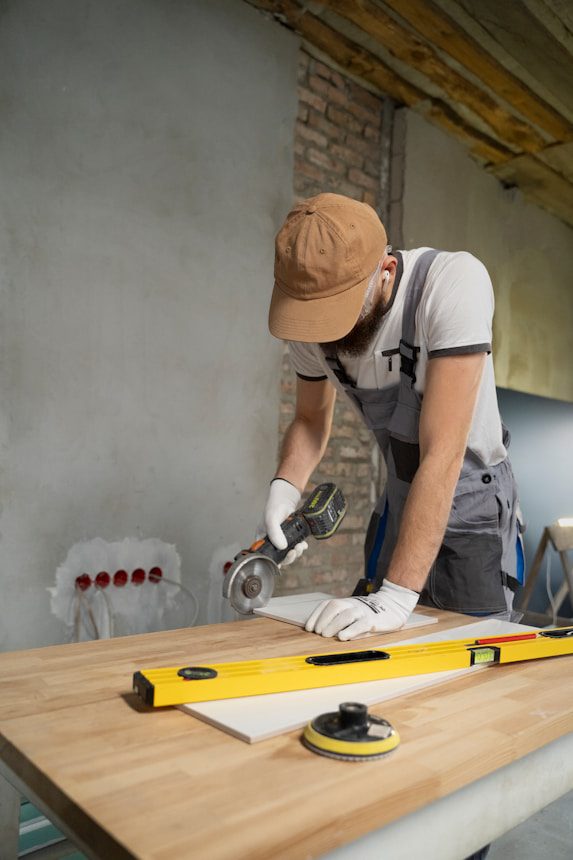
That chaos leads to accidents. A wet tile can send someone sliding. A ladder can tip when no one’s looking. You care about your family. You care about your workers, too. So, safety must come first. Always. Here are must-follow safety tips to keep your home renovation injury-free.
Require Protective Gear
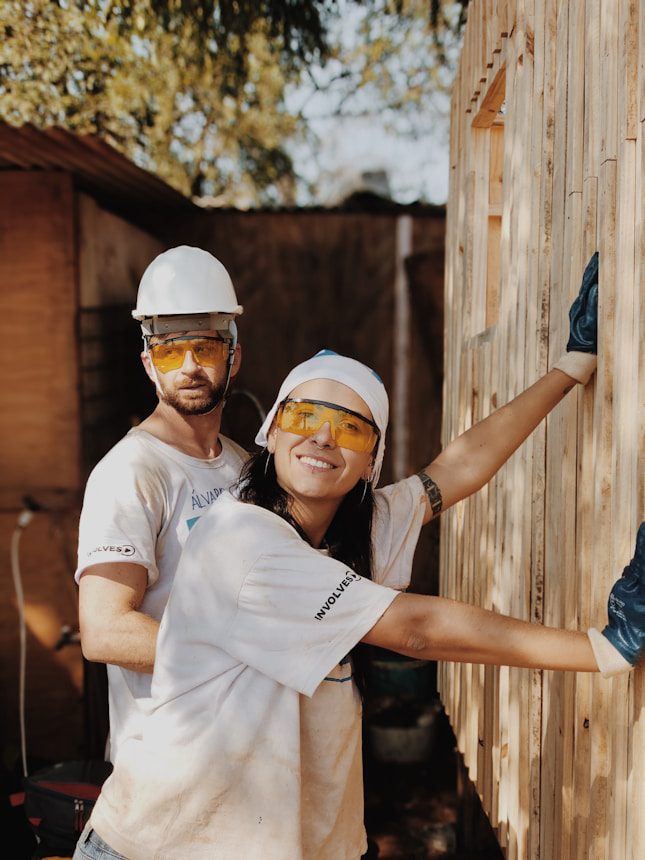
You might think renovations are harmless, especially when hiring pros to fix up your home. “They know what to do,” you assume. But then a nail scratches skin. Or dust hits the eyes. Before you know it, you’re panicking after someone gets hurt.
That’s why safety gear is so important. They keep workers from getting hurt on the job. Set house rules. Gloves stay on. Eye protection stays on. Masks stay on in dusty rooms. Check that the gear is actually being used throughout the day. The result? Zero injuries. Fewer interruptions. You get a calmer project from start to finish.
Keep Walkways Debris-Free
Renovations create a mess. That part is unavoidable. A zero-waste home renovation isn’t always feasible. There will be scraps. Dust. Packaging. These cluttered walkways can become serious hazards. Tools left in a hallway. A stray plank near the doorway. Even a pile of drywall dust can send someone sliding unexpectedly.
Create one clear walking path through your home. Sweep it daily. Wipe it down at night. Move loose materials away from doors. Store extra supplies in storage bins. This keeps your home livable during renovations. It also keeps ankles safe. It keeps kids steady. It lowers stress for workers. People move freely. And you stop worrying every time someone steps around a corner.
Block Off Construction Zones
Open work zones invite trouble. Curious kids wander in. Pets sneak past tools. Guests step into unsafe spaces without realizing it. One wrong step can cause chaos. A paint can tipped over. A power cord stretched across a hallway. These little things turn dangerous fast and can lead to unforeseen injuries.
So, block off zones with active constructions. Close the doors. Add temporary gates as barriers. Hang clear signs. Keep some hallways completely off-limits. This keeps noise contained. Dust stays where it belongs. Most of all, it protects anyone who shouldn’t be near active tools or unstable surfaces. Everyone knows exactly where it is safe to go. You reduce accidents.
Improve Lighting in Work Areas
Dark spaces hide danger in renovation areas. Shadows cover uneven floors. Corners with power tools might be blind spots. Mistakes happen when people can’t see clearly.
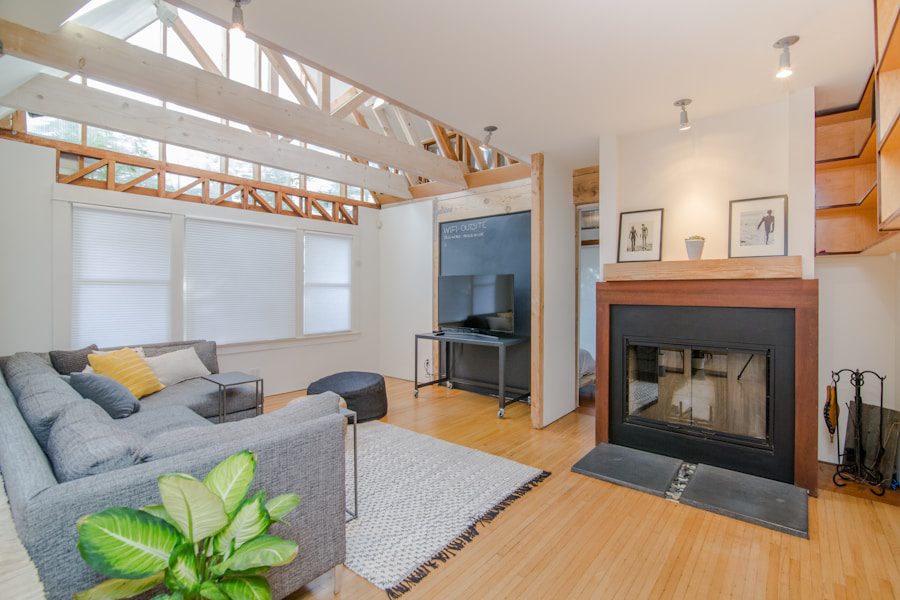
That’s why it’s pertinent to have good lighting in your home while it’s being renovated. Add bright work lights indoors. Use extension lighting for hallways. For outdoor projects, install fence lighting. That way, tool zones stay visible after sunset. Temporary floodlights for the garage or backyard also help. Good lighting lowers the chance of slips and misjudged movements.
Control Moisture on Floors
It can be hard to control moisture during renovations. Rain could get trapped inside. Wet floors turn into skating rinks. These slippery patches can lead to slips and falls, whether it’s your family members or construction workers.
Remember to dry floors fast. Place absorbent mats near entrances. Mop spills right away. Add warning signs when surfaces stay damp. If an accident still happens during a major renovation, speak with a construction site slip and fall injury lawyer to understand responsibility.
Remember, as a homeowner, prevention is your best move. It protects people. It protects your project timeline. It keeps everyone moving safely without hesitation.
Store Tools Safely
Tools left out easily lead to accidents. People can trip over cords. They might bump into sharp edges. It’s always best to keep tools safely at the end of the workday.
Create one storage zone for them. Use bins. Shelves are great, too. Lock power tools when work pauses. Return everything at the end of the day. Label toolboxes so everyone knows where items belong. This keeps walkways clear. It lowers risk. It also saves time because workers stop hunting for missing equipment when work resumes.
Have an Accident Plan
Even when following safety habits, surprises happen. Someone cuts a finger. Someone twists an ankle. Panic grows when you don’t know what to do after someone gets hurt. So, it’s wise to have a plan that everyone can follow quickly.
Keep a stocked first-aid kit nearby. Post emergency numbers on the fridge. Save contacts on your phone. Talk with contractors about what to do if something goes wrong. Also, review insurance risks during a home renovation. That way, you understand coverage gaps.
Preparation keeps reactions calm during an emergency. It keeps decisions clear. It helps problems get solved faster. It keeps stress lower for you and your family.
Conclusion
Renovations bring a lot of noise, debris, and movement all around the house. But they don’t have to bring injuries. So, make sure the walkways are clear. Install good lighting where needed. Check on the workers’ gear. These precautions protect your family. They keep contractors safe. They keep your peace of mind intact throughout the renovation.
Stick with the tips above for a safer remodel. You’ll breathe easier. You’ll sleep better. And when the project ends, you won’t just love your new space. You’ll be at ease knowing you protected everyone inside it.