
Table of Contents
- Unify Through Color Palette
- Focus on Common Materials
- Fostering Conversation Areas
- Setting Neutral Backgrounds
- Mixing Contrast
- Unify Your Metal Finishes
- Use Negative Space To Create An Inviting Atmosphere
- Select A Statement Piece For Your Decor Style
- Style Your Decor And Accessories
- Consider The Architectural Style Of Your Home
- Layering Your Lighting
- Creating Vignettes
There are many benefits to blending antique and modern furniture together when designing your home. Mixing the two styles will help you create a home with great character, tremendous depth, and a unique personality. If you prefer contemporary designed pieces or love to collect antique family heirlooms, blending the two design styles offers you a way to create a balance between the two that is both timeless and beautiful. The ability to create a visually pleasing design can only be achieved through careful curation and an eye for proportion. You can achieve this blended look to shop furniture at Antique Farmhouse.
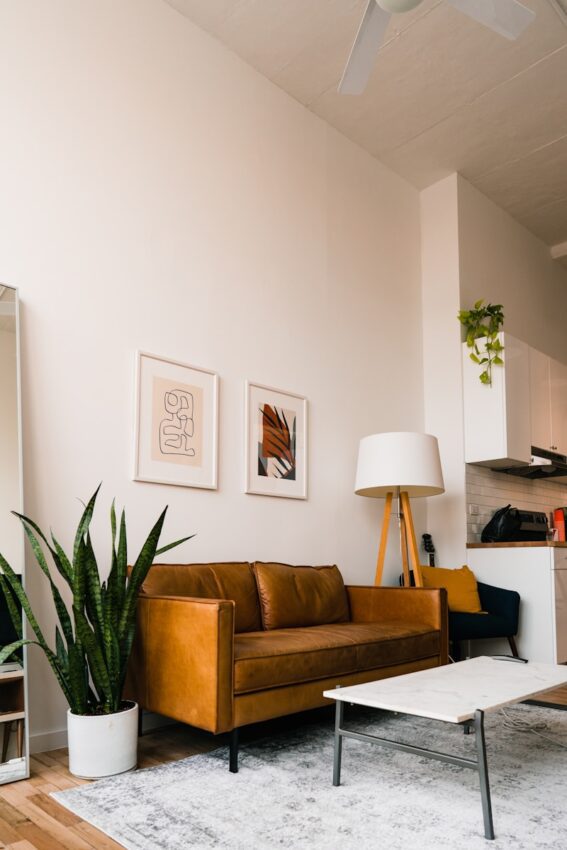
To achieve a home that incorporates both antique and modern furniture, great attention should be paid to the uniqueness of both eras. However, some creative freedom must be applied in order for a collected look to be achieved, as well as allowing for personal preference and taste to show. By using the methods provided, you will be able to create conversation pieces, harmony, and a lasting style throughout your home.
Unify Through Color Palette
To create a cohesive look and feel, you must develop a color palette to create unity. This is the foundation of unifying disparate eras through the use of colour. By looking for two or three primary colours from both your antique and modern furniture pieces that you have in your home, you may create a visual anchor for the entire room. An example would be to use a walnut Victorian sideboard, which you may use with modern walnut furniture, in shades of chocolate brown or warm caramel. The repetition of these colours will create a consistent overall look and help eliminate visual clutter.
Focus on Common Materials
Another method for connecting different eras of furniture is to examine materials. Materials can serve as effective connectors between different periods of time. For example, a marble-topped antique washstand would pair very well with an antique or modern marble top coffee table or lamp. In addition, the repetition of brass embellishments in various elements within a room—exemplified by a vintage mirror and contemporary light fixture—creates an element of unity amongst a variety of styles. The use of this subtle design technique allows even the most dramatic contrasts of style to feel as if they belong together.
Fostering Conversation Areas
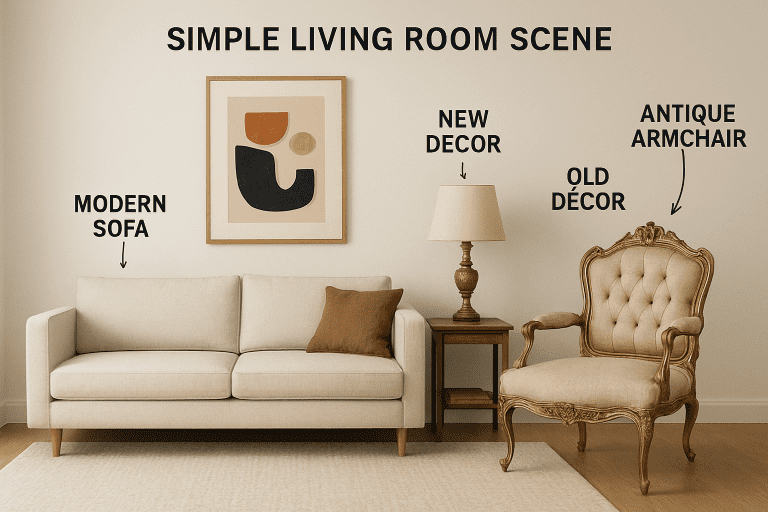
When furnishing a space, consider arranging it in ways that create opportunities for relationships. For example, positioning a Modern Sofa positioned opposite a Classic Wingback Chair would create a relationship between the two pieces through the use of a Modern Coffee Table, or adding an Antique Side Table could serve as a place for drinks, forming an additional relationship. Positioning a variety of pieces from different periods together in small clusters creates a sense of interaction—both for your guests and also visually between the pieces.
Setting Neutral Backgrounds
Create a background for your “collected” furniture with neutral backgrounds. Classic White Walls, Light Grey Tones, and Natural Wood Flooring allow for an equal presentation of Antiques and Modern Furniture without having them compete against each other for visual dominance. A Neutral background creates the environment for bold shapes, intricate patterns or minimalist silhouettes to feel at home and allow each piece to be recognised in its own right. Take a look at Architectural Digest to see how designers can use neutral palettes to create a stage for showcasing their unique furniture pieces.
Mixing Contrast
Be willing to take risks in your design by mixing unexpected patterns and textures. A Velvet Antique Settee can create a tactile depth to create a visual connection with a Crisp Minimalist Glass Table. The layering of Plush Textiles with Sleek Metals or Rustic Woods adds an element of Dynamic Tension to a space and provides a sense that the space has been brought to life and curated, rather than simply staged or stiff.
Unify Your Metal Finishes
Whenever possible, unify the various metallic finishes used throughout the various periods/eras of furniture within your space. Selecting an antique sideboard with mid-century table lamps and pairing it with contemporary picture frames or curtain rods provides a great example of Mixing Metal Finishes. Additionally, mixed metals can work well together in a room if they are evenly dispersed throughout the space; as a general rule of thumb, avoid clustering too many different finishes close together within the same designated area.
Use Negative Space To Create An Inviting Atmosphere
The use of negative space creates an inviting and warm environment while allowing each item in the area to shine. Resist the temptation to fill every available area; rather, give the space to breathe by providing some negative open space around the items of interest. A gallery-like environment will best showcase your collection, highlight the craftsmanship of the items, and ultimately eliminate a crowded look and feel within the overall decor of the area.
Select A Statement Piece For Your Decor Style
The selection of one standout piece (a larger decorative statement piece) provides you with the best way to connect your furnishings together. The larger decorative statement piece will typically serve as the focal point of your room, and will also act as the primary visual organizer for the furnishings within the space. The surrounding furnishings should coordinate with the primary decorative statement piece and may include different types of items.
Style Your Decor And Accessories
For example, a modern art piece will update or refresh a traditional decor style, and a vintage globe or collectible item may enhance the overall look of modern shelving. Additionally, accessories can easily be added or replaced, giving you the opportunity to experiment without making large expenditures or cutting into your budget; thus, incorporating your complete style makes it easy to create and evolve an eclectic decor style over time.
Consider The Architectural Style Of Your Home
When mixing furniture and accessories within your home, you should evaluate the original architectural design of your home to determine how best to combine them. An ornate vintage-style home is ideal for supporting both vintage/antique furniture pieces and modern furniture designs, whereas an open mid-century style home would ideally include only dramatic classic furniture styles paired with modern furniture styles. Your decor style, when selected and combined with the architectural bones of your home, will create harmony within your decor style.
Layering Your Lighting
When combining antique and modern lighting, it is essential to create layers to ensure that the decorative lighting fixtures blend harmoniously and create warmth; for example, a chandelier will provide a warm romantic feeling within the room, while modern lamps or sconces will provide task light to support the reading areas or artwork displayed within the room. Therefore, selecting the appropriate light fixtures will allow for greater unity among both antique and modern furnishings displayed within the room.
Creating Vignettes
By creating small groups of your antique and modern furniture collections within your homes on shelf/console tables, mantles, etc., you can create a vignette. To create a vignette, utilize all available space by selecting the correct heights, textures, and shapes. Finally, you should be creative with your collections and change them out periodically (at least every season) to have fun and continue to enjoy the beauty of your ever-evolving timeless decor style.
Mixing furniture from different eras creates unique, eclectic, and timeless decorating styles that reflect your personal style through your decor choices of furniture, accessories, and decorative accents. Therefore, it would be best if you enjoyed the process of curating the collection of your vintage, antique, and modern items into the best possible environment.