
How many times have you tried to fix something over and over again, or wanted to make something functional for your home or workspace, but it just kept falling apart?
But the thing is – you can only fix what you see.
In most cases, it’s not even up to you or your work; the reason for failure may be hidden inside the tool or in the system itself.
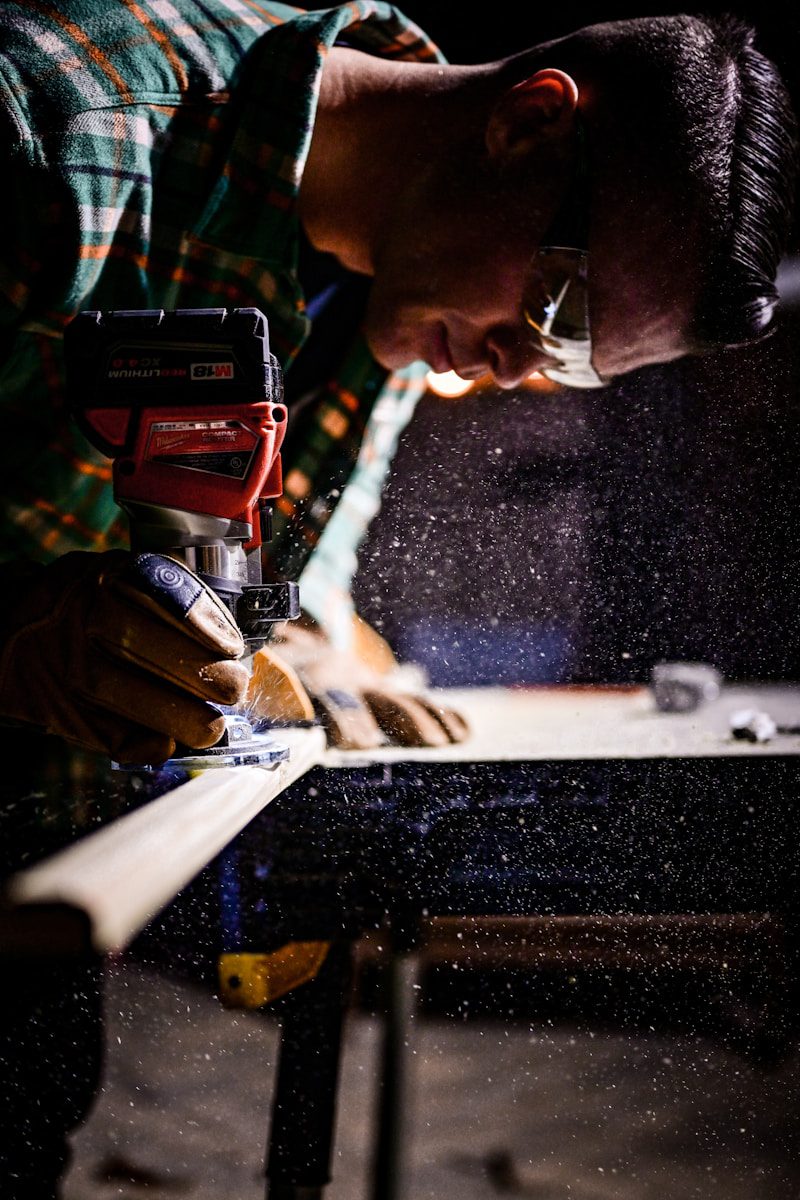
In this context, machinery can be lots of things (e.g., hydraulic tools, shop equipment, production systems where you’ve got multiple components that work under pressure and/or load, etc.)
Getting to know what goes on in your house and how systems actually work will save you hours of effort and unnecessary stress.
When Doing Everything Right Still Isn’t Enough
Let’s start from the precise instructions given when you try to fix something. These instructions are made for perfect conditions and often assume you have every tool needed.
However, reality is mostly different.
No matter how hard you try, the parts of your home will be sitting in the corner of your storage room waiting to be fixed as long as you keep trying yourself without checking your tools and other items.
Even when you follow all the instructions, your repair is not guaranteed. Symptoms are going to repeat themselves unless you treat the main cause of malfunctions.
The reason for failure in your projects might be wear and tear on your tools, as they fail gradually over time. Or internal wear in bigger systems, as they appear as small breakdowns at first.
And there’s really no one to blame here.
Even though instructions are made for ideal cases, they are precise and mostly useful. However, it’s important to highlight that your tools and machines are used more than once and that there’s no shame in looking for help.
Common Reasons DIY Repairs Don’t Last
DIY projects and repairs usually never fail from one big single reason, but many small ones combined, due to constantly being overlooked.
As mentioned, there are various reasons that lead to the same problems repeating themselves over time.
Hidden wear you can’t see
Take a sewing machine as an example. It still turns on and sews, but it no longer does so as it did when it was new. You’ll notice the stitches become weaker, the fabric doesn’t move as smoothly as it did before – small things like that.
You can try to change machine needles or look for simple DIY solutions, but those fixes will only work temporarily.
This is super common in machinery and setups that use hydraulics, because when it comes to this type of equipment, it’s unlikely that components will fail in isolation, but rather in conjunction with other parts.
Pressure and Load Imbalances
If you look at your tools and machines, they may look like each part is on its own, but they are actually all connected as part of a system.
If you want everything to work smoothly, each part has to function properly – like when you notice the pressure imbalance in your garden sprayer.
Firstly, you’ll think that the pump is the main issue, while it actually works together with the hose and valve.
In that case, you should check each one separately.
Replacing the Wrong Part
Closely connected with checking the whole system, while analyzing, you change the wrong part. For the root cause of the malfunction, you should at least have someone check it, while an assumption will make a bigger problem.
Knowing When a Repair is Bigger Than a DIY Fix
Reading DIY articles can help fix temporarily or mask many problems. However, it is just as important to know when to stop and look for additional help.
When should you think about other sources and machinery? When your problems and reasons continue to repeat, and you constantly worry, what’s next?
As repeated repairs often mean an internal system-level issue, it’s not your fault if you didn’t manage to fix it.
That just means your home should have a professional, more in-depth inspection.
That’s when full-service shops that specialize in machining specific parts/components, in hydraulics, and general system-level components, such as Fair Hill Precision, become super relevant, which will focus on underlying problems rather than just surface fixes.
Even when you don’t need to fix something, having a service you can rely on is a huge advantage for your DIY projects and any system you might be using (or depend on) to function reliably.
Conclusion
Sometimes it’s more important to work smarter, not harder.
As we all enjoy doing things ourselves and being more productive, there’s also a point where it’s super important to recognize a limit. Because there are limits. If you notice you’re doing repeated repairs and tools or you’re slowing down, these might be signals indicating more complex problems.
If we needed to sum up all of this into one concise sentence, then we’d say this: Know when to stop; this way, you save both time AND nerves.