
For a long time, the backyard felt like something we managed around the edges. From the house, it looked fine. Nothing was obviously wrong. But daily life told a different story. Extra cleanup. Awkward routines. Small frustrations that piled up faster than expected.
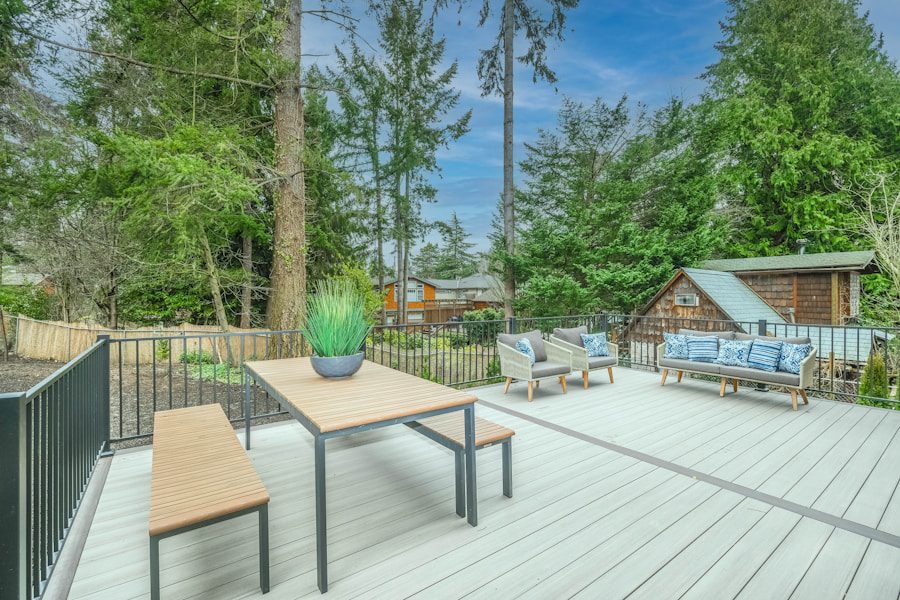
It wasn’t one big makeover that turned things around, and it definitely wasn’t a single heroic weekend project. The backyard got better because we made a handful of small decisions, one at a time, and let them add up. We started noticing how we actually moved through the space on an ordinary day, not how it looked in a photo. Storage went closer to where we used it. The layout started matching our routines. And the issues that had been quietly annoying us for months were finally fixed rather than avoided.
Those changes didn’t make the backyard perfect. They made it livable. Less effort. Fewer messes. More ease built into the day. And that shift changed how often we wanted to be out there at all.
When a Backyard Looks Good but Doesn’t Work
From a distance, the backyard looked like it was doing its job. The furniture was where it belonged, the paths felt logical, and everything read as “put together.”
Then the day started. Kids tracked through. Tools got tossed down wherever there was room. Chores spilled into every corner. And that’s when it became obvious: the space wasn’t supporting us. It became another thing competing for attention.
It wasn’t clutter that caused the problem. It was friction. Things were always just far enough away to be annoying. Tasks took longer than they should have. Cleanup felt constant, yet nothing stayed clean for long. The issue wasn’t effort or upkeep. It was design choices that prioritized the space’s appearance over its use.
Once that realization set in, it changed every decision made afterward.

Creating Zones Instead of Letting Everything Blend Together
One of the biggest improvements came from treating the backyard as a collection of purposeful spaces instead of one large, undefined area. When everything shares the same footprint, messes travel. Tools drift. Daily tasks bleed into areas meant for rest or play.
Creating clear zones brought immediate relief. Storage moved closer to the tasks it supported. High-traffic areas were opened up, so moving through the yard felt easier and less cramped. The messiest tasks were pushed out of spaces we wanted to keep calm. Nothing fancy. Just clearer boundaries that made it easier to reset the space at the end of the day.
The difference wasn’t dramatic at first glance, but it was obvious in how the yard felt. Each area had a job, and that alone reduced the sense of disorder. When spaces are allowed to do one thing well, the whole backyard becomes easier to live with.
The Upgrade That Reduced the Most Mess
The biggest source of frustration wasn’t seating or storage. It was feeding time. Hay spread everywhere. It got tracked across the yard, worked into the ground, then stirred up all over again the next day. Cleaning it felt endless, and ignoring it only made the space harder to use.
The solution wasn’t complicated. It meant choosing equipment designed to keep things contained rather than accepting daily cleanup as routine. Switching to hay feeders for goats changed how that corner of the yard behaved almost immediately. Hay stayed where it belonged. Waste dropped noticeably. Feeding became the least messy task of the day.
What surprised me most was how quickly the rest of the space benefited. Paths stayed clearer. Shoes stayed cleaner. The yard no longer needed a reset every afternoon. One practical upgrade resolved a problem that had been quietly affecting how the entire backyard operated.
Choosing Function Over Temporary Fixes
For a while, the backyard ran on “good enough.” A bin that mostly kept things dry. A hook that held until it didn’t. A setup that worked on a calm Saturday and fell apart by Tuesday. The frustrating part wasn’t that these fixes failed. It was how easily extra work became normal.
Things shifted when we started treating the backyard like a space with a purpose, not a dumping ground for whatever was left over. If something gets used every day, it should handle everyday use. That meant letting go of flimsy shortcuts and choosing solutions that could stand up to weather, wear, and repetition without becoming another chore.
You see the same thinking in well-designed feeding setups. When hay is kept contained and off the ground, waste drops, and cleanup gets easier. The University of Minnesota Extension explains the mechanics behind this in its guidance on feeding hay efficiently. The takeaway applies far beyond livestock. When a system is designed well, the routine itself becomes lighter.
Once we made that shift, the backyard stopped feeling fragile. We weren’t constantly patching or redoing things. It simply worked, and that made it far easier to enjoy.
Designing the Backyard Around Routines, Not Occasions
For a long time, the backyard was set up for a version of life that happened once in a while. Weekend coffee on the patio. The occasional evening when everyone was outside at the same time. The idea of hosting, even if hosting didn’t actually happen that month.
Most days don’t look like that. Most days are quick trips outside, a handful of small chores, kids dropping shoes wherever they land, and someone asking for help while you’re carrying something awkward. The yard gets used in short bursts between everything else.
Once we planned for that version of life, decisions became easier. We put things where they were needed, not where they looked best from the window. High-use tools stayed within reach. We cleared the paths we actually walk. We made room for the routines that repeat every day because those are the ones that either drain you or support you.
The backyard didn’t become more styled. It became more usable. And that changed how often we stepped outside in the first place.
How These Changes Shifted Our Time Outside
The biggest surprise wasn’t how different the backyard looked. It was how differently we used it. Without constant low-level friction, stepping outside stopped feeling like the start of another task. It became part of the day again.
Short visits stretched a little longer. Chores blended into moments of rest instead of cutting them short. There was less rushing to clean up before heading back inside. The space held together even on days when energy was low.
That ease changed the rhythm of our days. The backyard became somewhere we could linger, even briefly, without bracing for extra work. In a season of life where time and attention are always divided, that quiet reliability mattered more than any dramatic makeover ever could.
The Kind of Changes That Last
The biggest shift didn’t come from one standout upgrade. It came from finally admitting how many little annoyances we’d been brushing off because “that’s just how it is.” Once we started paying attention to where we were losing time and patience, the solutions showed up fast. You can spot a lot when you stop powering through.
The backyard didn’t need a total makeover. It needed to be treated like part of daily life, not an afterthought. When a space works with your routines, it stays calmer without constant effort. That’s true for everything out there, from storage and feeding to cleanup, and even making a little room to sit and breathe.
The best changes don’t announce themselves. They quietly make life smoother, and that tends to be the goal anyway.
A Backyard That Supports Real Life
What made these upgrades meaningful wasn’t how noticeable they were to someone walking by. It was how they showed up in everyday moments. Things stayed where they belonged. Cleanup didn’t derail the rest of the afternoon. Stepping outside felt easy instead of effortful.
That kind of ease adds up. It creates room for small pauses that rarely get planned but matter all the same. A few extra minutes outside. Less second-guessing. Fewer tasks waiting when you head back in. The backyard becomes part of the day rather than competing with it.
If you’ve ever reworked an outdoor space or tackled a project focused on organization, you know the relief that comes from getting it right. Thoughtful changes don’t demand attention. They do their job, day after day, and let the rest of life move more smoothly around them.
Carrying the Same Mindset Into Other Projects
Once you feel what it’s like to have a backyard that works with you, it’s hard not to apply that thinking elsewhere. You begin to notice small points of resistance. The spots where you always double back, step over something, or tell yourself you’ll fix it later. And you realize how often the fix isn’t dramatic. It’s simply honest.
That’s why projects with a clear job tend to stick. Not adding something just because it looks nice, but solving the thing that keeps quietly getting in the way. A better path where you actually walk. A small build that gives outdoor items a real home. A tweak that turns a messy corner into a calmer one. If that’s the direction you’re heading, these DIY backyard projects are the kind that pay you back quickly. Practical, approachable, and satisfying long after the work is done.
The best changes fade into normal life. You stop thinking about them because the problem they solved is gone. The backyard runs quieter. You spend less time managing it and more time enjoying it, even if it’s only for a few minutes between everything else. And that’s exactly the point.