
Buying furniture ranks among the most important decisions you’ll make for your home, affecting both your daily comfort and long-term investment. Yet countless shoppers feel lost when trying to separate truly well-made pieces from mass-produced items that might catch your eye but won’t stand the test of time. Whether you’re scrolling through online galleries or walking through a furniture store near me, grasping the essential principles of furniture evaluation puts you in control, helping you make smart choices that will reward you for decades.
Understanding Construction Quality
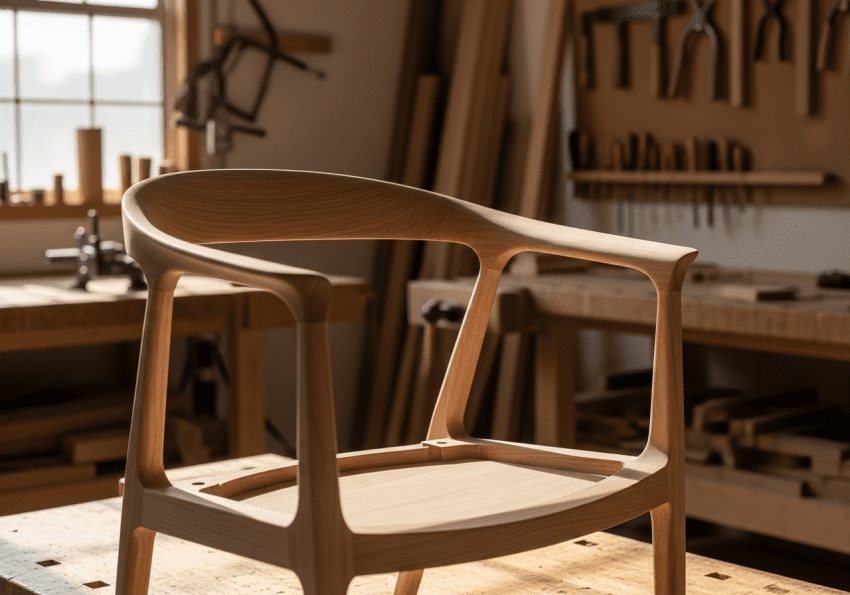
Every piece of lasting furniture starts with solid construction methods. The joinery techniques used reveal more about durability and craftsmanship than almost anything else. Mortise-and-tenon joints—where one piece of wood slides perfectly into another—create remarkably strong bonds that hold up through years of daily use. Dovetail joints in drawers tell a similar story, combining visual appeal with rock-solid strength as the interlocking design resists pulling apart even under heavy stress.
Furniture held together mainly with staples, nails, or basic screws tends to fall apart within just a few years. The frame material tells its own crucial story. Solid hardwood frames made from oak, maple, or walnut deliver outstanding longevity, while high-quality plywood offers solid durability without the premium price tag. Particleboard or MDF frames might seem budget-friendly upfront, but they usually break down quickly with regular use.
Today’s advanced manufacturing brings together techniques like seamless wood bending and precision cutting to create construction that marries strength with beautiful design. When you’re examining any piece, search for signs of careful workmanship in both the areas you can see and the hidden spots—structural soundness depends on meticulous attention throughout every step of the building process.
Materials Matter: Wood, Upholstery, and Hardware
Material choices shape how furniture looks and performs as the years go by. Hardwood varieties like cherry, walnut, and mahogany actually grow more beautiful with age, developing rich patina and character, while softer woods may show scratches and dents more easily. Today’s furniture often blends materials thoughtfully—pairing classic wood with metal details, woven textures, or cutting-edge composites—resulting in pieces that balance lasting quality with contemporary style.
Quality upholstery reveals itself in several ways. Double-stitched seams outlast single stitching by a wide margin, and fabric weight plus thread count directly predict how well the material will hold up. Premium filling materials—whether it’s down, high-density foam, or traditional spring systems—keep their shape and comfort far longer than bargain alternatives that quickly sag or lose support.
Hardware deserves careful attention too. Drawer slides, hinges, and handles face constant use and stress. Soft-close mechanisms and solid metal construction signal a commitment to long-term performance, while plastic parts often mark corners cut at the expense of durability.
The Artisan Advantage: Handmade vs. Mass-Produced
Artisan-crafted furniture stands apart through those subtle irregularities that actually signal superior quality. Hand-carved flourishes, faint tool marks, and natural variations in wood grain show individual care and skill. These details aren’t flaws—they’re the human signature that factory production simply can’t match.
Handcrafted pieces often draw on traditional techniques refined over generations, creating furniture that can be repaired, refinished, and treasured for centuries. The environmental case is strong too: artisan pieces typically outlive several generations of factory-made furniture, making them the responsible choice despite costing more initially.
Design Elements That Support Longevity
Timeless design principles keep furniture looking fresh and appealing even as trends shift. Organic curves, gentle geometry, and sculptural forms possess lasting charm that survives passing fads. Neutral colors and classic silhouettes adapt easily to changing decor styles.
The idea of “quiet luxury”—quality without flashy logos or trend-chasing elements—produces pieces that age beautifully. Clean, well-balanced designs let the natural beauty of materials and craftsmanship take center stage, staying visually appealing long after flashy alternatives look dated.
Evaluating Comfort and Functionality
Today’s comfort expectations emphasize deeper seating, better ergonomics, and flexible functionality. Quality furniture should fit modern living while delivering proper support and pleasing proportions. Multi-functional designs work especially well in compact spaces, though versatility should never undermine core comfort or structural strength.
Nothing beats testing furniture in person to discover crucial comfort factors that photos can’t reveal—seat depth, back support, and overall ergonomics dramatically affect your long-term satisfaction.
The Hidden Costs of Cheap Furniture
False economy trips up many furniture buyers. Cheap pieces that need replacing every few years end up costing more than quality furniture that lasts decades. Consider the environmental toll, disposal expenses, and repeated shopping time when calculating furniture’s true value.
Well-made pieces offer refinishing and repair possibilities, allowing restoration instead of replacement when wear appears. This repairability makes both economic and environmental sense.
Practical Shopping Strategies
Take a methodical approach to evaluating furniture. Ask pointed questions about joinery methods, frame materials, and construction techniques. Examine pieces carefully—test how drawers slide, check for wobbling, and inspect finish quality. Warranty terms often mirror how confident manufacturers feel about their construction quality.
Research brand reputations through independent reviews and industry assessments. Keep records of artisan pieces with maker details and construction notes for future reference.
Quality furniture represents an investment in immediate comfort and lasting home value. When you prioritize excellent construction, superior materials, and enduring design over fleeting trends, you build a living space that reflects thoughtful choices and conscious consumption. Apply these evaluation standards consistently, whether shopping locally or browsing online, to ensure every furniture purchase enhances a home you’ll cherish for years ahead.