
Open most garage doors on a hot afternoon or a freezing morning and you’ll see the same scene: storage bins, tools, maybe a home gym or a second fridge — all sitting in a space that feels more like the outdoors than part of the house. Many homeowners accept that as normal. The garage is “semi-outside,” right?
The problem is, your house doesn’t see it that way.
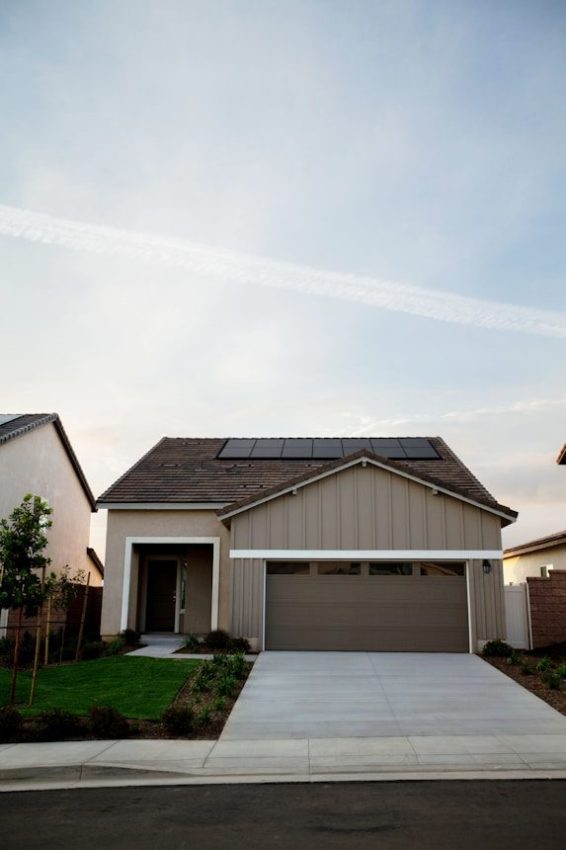
If your garage is attached, it’s already part of your building envelope, whether you’ve treated it as such or not. That means its temperature, air quality, and moisture levels can all influence the comfort and performance of the rest of your home. Poorly insulated garages quietly drive up energy bills, strain HVAC systems, and create stubborn hot or cold rooms that never feel quite right.
Insulating a garage is often dismissed as a nice-to-have project, something you tackle only after the kitchen remodel or new flooring. In reality, it’s one of the more impactful — and surprisingly cost-effective — ways to improve whole-home comfort and performance.
The Garage as a Hidden Weak Point in Your Building Envelope
Think of your home’s building envelope as a thermal shell. Anywhere that shell is thin, leaky, or inconsistent, you lose control over temperature and airflow. For many homes, the attached garage is the weakest section of that shell.
Typical trouble spots include:
- The shared wall between the garage and the house
- The floor of rooms built above the garage
- The garage door itself — often just thin steel or fiberglass
- Gaps around the door, framing, and penetrations
Because garages are large, unconditioned spaces, they can act like giant heat sinks or heat sources. On a 95°F day, the air in an uninsulated garage can climb well above outdoor temperature, then bleed that heat into adjacent rooms and up into the second floor. In winter, the reverse is true: the garage becomes a giant cold box pulling heat out of the home.
You might notice this as a “bonus room” over the garage that’s always uncomfortable, or a laundry room or entryway that never matches the rest of the house. Insulation and air sealing in the garage are often what stand between those spaces and year-round comfort.
Comfort, Bills, and the “Invisible” Cost of an Uninsulated Garage
Most energy audits focus on attics, walls, and windows — and that makes sense. But the garage is often quietly adding to your monthly bill, especially if it’s attached and you open the interior door frequently.
Every time you open that door, you equalise the temperature between the garage and the house a little more. If the garage is sweltering or freezing, your HVAC has to work harder to bring the conditioned space back to the thermostat setpoint. Over an entire season, that adds up.
A relatively small project like upgrading the garage door’s thermal performance can change the equation dramatically. For many homeowners, adding a dedicated door insulation kit is the single most impactful energy efficiency upgrade for garage spaces, because the door is such a large surface area and often the worst-insulated one.
Seasonal Extremes You Don’t Have to Live With
Consider a few common scenarios:
- In summer, a superheated garage radiates heat into rooms above and beside it, making those spaces feel 3–5°F warmer than the rest of the house. You compensate by lowering the thermostat — and paying for it.
- In winter, a frigid garage keeps floors over the garage cold and drafty. Space heaters appear, electric bills spike, and comfort still isn’t great.
- If you have a workshop, home gym, or hobby area in the garage, you might avoid using it for months out of the year because it’s simply too uncomfortable.
Insulation doesn’t magically turn your garage into a fully conditioned living space, but it dramatically narrows those extremes and makes any supplemental heating or cooling far more effective.
Health, Safety, and Durability Benefits You Might Be Overlooking
Energy and comfort are only part of the story. The garage is where we park vehicles, store chemicals, and often run equipment. That means exhaust fumes, volatile organic compounds (VOCs), dust, and sometimes carbon monoxide are in the mix.
A poorly sealed and insulated garage can:
- Allow fumes to migrate into the house through gaps and cracks
- Pull outdoor humidity into the space, driving condensation on tools, bikes, and stored belongings
- Contribute to mold risks in rooms above if warm, moist air meets cold surfaces
Good insulation almost always goes hand-in-hand with better air sealing. Together, they create a more controlled boundary between the garage and living areas. You still need proper ventilation for the garage itself, but you’re reducing unwanted air exchange with the home and giving your indoor air quality a boost.
From a durability standpoint, moderating garage temperature and humidity also helps protect what you store there: finishes on doors, electronics, power tools, and even the structural components at the interface between garage and house.
How to Tell if Your Garage Needs Better Insulation
You don’t need specialised equipment to get a first read on your garage’s performance. A few quick checks can tell you a lot:
- Touch test: On a hot or cold day, touch the interior surface of your garage door, the shared wall, and the ceiling under rooms above. If they’re close to outdoor temperature, insulation is lacking.
- Comfort gradient: Note whether rooms next to or above the garage are consistently hotter in summer or colder in winter than the rest of the house.
- Visual inspection: Look for exposed studs, uninsulated ceilings, and visible gaps along the base of walls or around penetrations.
- Door behaviour: If you can see daylight around the garage door when it’s closed or feel drafts around it, weatherstripping and sealing are overdue.
- Condensation: Rusting tools, “sweating” floors, or persistent musty smells are signs of moisture and temperature swings.
If two or more of these ring true, your garage is likely undermining both comfort and efficiency.
Making Smart Insulation Choices for Your Garage
Once you’ve decided the garage deserves attention, where should you start?
Prioritise Air Sealing at the House-Garage Boundary
Before adding fluffy insulation, seal the leaks. Focus on:
- The door from the garage into the house (weatherstripping and a proper threshold)
- Gaps along the shared wall and at the top and bottom plates
- Penetrations for plumbing, wiring, and ductwork
Sealing these areas limits the movement of air — and everything it carries — between the two spaces.
Target the Big Surfaces: Door, Walls, and Ceiling
For most homes, a logical sequence looks like this:
- Garage door
Upgrading the door’s thermal performance, whether through an insulated door panel or a well-designed retrofit kit, tackles the largest exposed surface. This single step often yields the most noticeable comfort improvement. - Shared wall and any rooms above
If the wall between the garage and house is under-insulated or poorly air sealed, address that next. For rooms above the garage, improving insulation in the floor assembly (from below if accessible) can turn a notoriously uncomfortable space into a normal one. - Exterior-facing walls and ceiling
If you use the garage as a workshop, home gym, or office, insulating all exterior-facing walls and the ceiling (especially under a hot roof) becomes more important. Choose materials and R-values appropriate for your climate and local building code.
Future-proofing helps here. Even if your garage is “just storage” today, many homeowners eventually convert at least part of it into a more active space. Investing in thoughtful insulation now makes that transition far easier and more cost-effective later.
Rethinking the Role of the Garage
Garages have always been workhorse spaces: flexible, messy, and practical. But as homes evolve — with more hybrid work, home gyms, and hobby spaces — the garage is slowly becoming part of the everyday living environment.
Treating it as a serious component of your home’s thermal and air barrier isn’t indulgent; it’s practical. Proper insulation:
- Smooths out temperature swings
- Lowers energy use
- Protects indoor air quality
- Extends the life of what you store and the rooms that touch it
When you start to see the garage not as an afterthought, but as a critical link in your home’s comfort chain, insulation stops being an optional extra and starts looking like exactly what it is: a smart, foundational upgrade that pays you back in more ways than one.