
A living room often sets the tone for the entire home. It’s where conversations happen, guests gather, and everyday routines unfold. Yet, over time, even the most thoughtfully designed spaces can start to feel stale or disconnected from your current style.
You don’t need a full renovation to create a noticeable change. With a mix of creative DIY projects and smart furniture upgrades, you can refresh your living room in ways that feel both personal and practical.
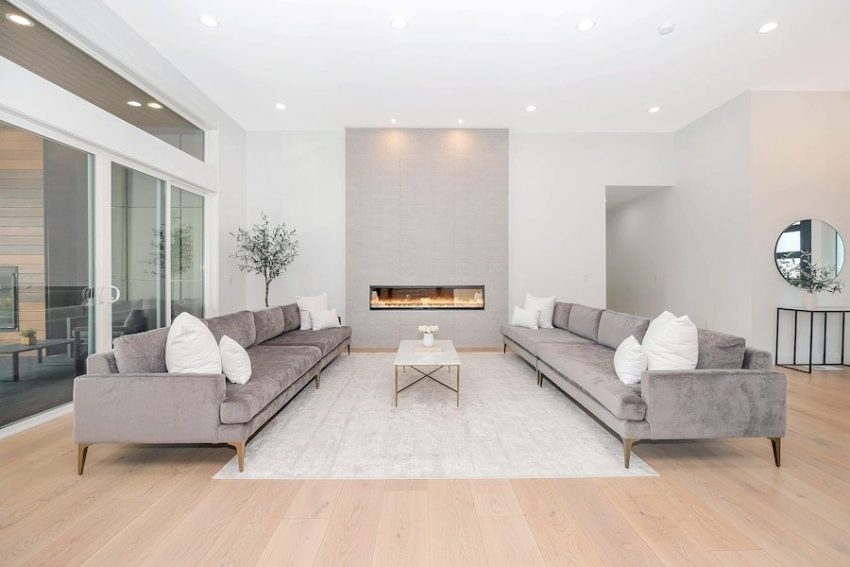
This guide focuses on approachable updates that balance handcrafted charm with foundational improvements, helping you create a space that feels cohesive, functional, and uniquely yours.
Start with a Clear Vision and Layout Plan
Before picking up a paintbrush or shopping for decor, take a moment to evaluate your current space. Look at how your living room functions day to day. Is there enough seating? Does the layout support conversation? Are certain areas underused?
Sketching a simple floor plan can help you rethink how everything fits together. Sometimes, a transformation begins with rearranging what you already own. Move your sofa to face a different focal point, reposition accent chairs to create a more inviting seating area, or clear unnecessary items that make the room feel crowded.
Once you define how you want the room to function, it becomes easier to decide which DIY projects and furniture upgrades will make the biggest impact.
Build Around a Strong Furniture Foundation
While DIY decor adds personality, the core furniture pieces set the stage for everything else. A worn-out or outdated sofa can limit the overall feel of the room, no matter how many decorative touches you add.
Investing in a comfortable, well-designed sofa from reputable brands like Soulfa can anchor your space and tie together your makeover efforts. For instance, cloud-style couches available at https://www.soulfa.com/ emphasize both comfort and clean design, making them a practical starting point for a refreshed living room.
When choosing a sofa, consider scale and proportion. A piece that’s too large can overwhelm the room, while one that’s too small may feel out of place. Neutral tones often work best as a base, allowing your DIY decor to stand out without clashing.
Add Character with DIY Wall Decor
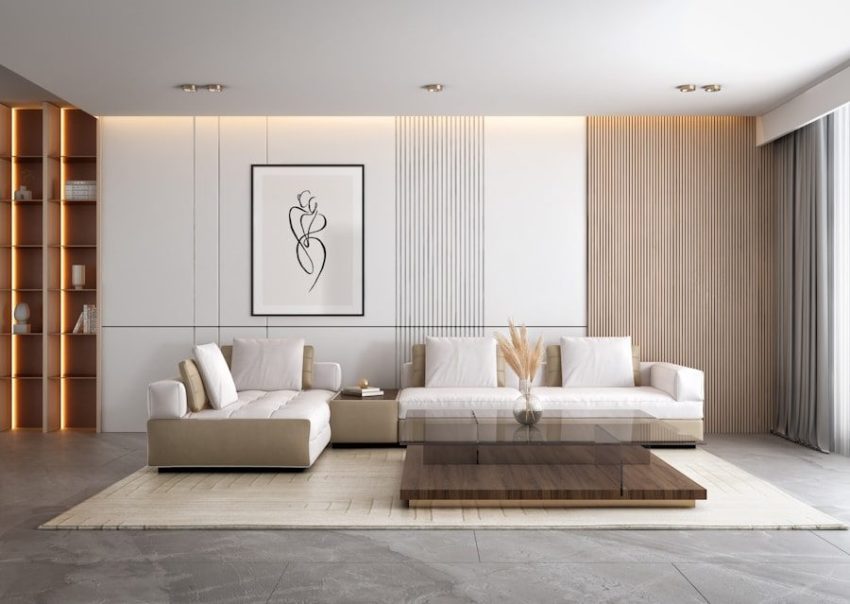
Walls offer one of the simplest ways to introduce personality without a major investment. Instead of relying on mass-produced prints, consider creating your own wall art.
A gallery wall is a popular option, but it doesn’t need to feel overwhelming. Start with a few pieces that reflect your style, such as framed fabric samples, painted canvases, or even pressed botanicals. Keep spacing consistent to maintain a clean look.
If you prefer a more minimal approach, try a large-scale DIY artwork. Abstract painting techniques, such as color blocking or textured layers, can create a statement piece without requiring advanced skills.
Floating shelves are another practical addition. They allow you to rotate decor seasonally and display items that tell a story, such as travel finds or handmade ceramics.
Refresh Textiles for Instant Impact
Textiles can completely change the mood of a room, often with minimal effort. Swapping out throw pillows, blankets, and rugs introduces new colors and textures, making the space feel updated.
Start with your color palette. If your sofa is neutral, you have the flexibility to experiment. Combine different materials such as linen, cotton, and knit fabrics to create depth. Avoid matching everything too precisely, as variation often feels more natural and inviting.
For those who enjoy hands-on projects, consider making your own pillow covers or dyeing fabric using simple techniques. These small efforts can give your space a custom feel that store-bought items often lack.
Pair Handmade Decor with a Quality Sofa Upgrade
As your DIY elements come together, it’s important to ensure they complement your main furniture pieces rather than compete with them. This is where thoughtful pairing makes a difference.
Handmade decor tends to introduce texture, color, and individuality. To balance that, your larger furniture, especially your sofa, should provide cohesion. A well-designed piece can act as a visual anchor, allowing your DIY touches to shine without creating visual clutter.
This balance between handmade and foundational pieces creates a living room that feels intentional rather than over-decorated.
Upgrade Lighting for Atmosphere and Function
Lighting often gets overlooked during a makeover, yet it plays a critical role in how a room feels. A single overhead light rarely provides the warmth or flexibility needed for a comfortable living space.
Introduce multiple light sources at different levels. Floor lamps can define seating areas, while table lamps add softness to corners or side tables. If you enjoy DIY projects, consider updating lamp bases with paint or new shades to match your decor.
Warm-toned bulbs typically create a more inviting atmosphere than cooler alternatives. You can also use dimmers to adjust brightness throughout the day, making the space adaptable for both relaxation and social gatherings.
Even small changes in lighting can highlight your DIY work and make the entire room feel more cohesive.
Incorporate Greenery and Natural Elements
Plants bring life into a living room in a way few other elements can. They soften hard lines, introduce color, and create a connection to nature.
You don’t need an extensive collection to see the effect. A few well-placed plants, such as a tall floor plant in a corner or smaller potted varieties on shelves, can make a noticeable difference.
If maintaining live plants feels challenging, consider low-maintenance options or high-quality artificial alternatives. The goal is to add organic shapes and textures that contrast with your furniture and decor.
You can also extend this idea through natural materials. Wooden trays, woven baskets, and ceramic pieces all contribute to a layered, grounded look.
Conclusion: Bringing It All Together
A successful living room makeover doesn’t rely on a single dramatic change. Instead, it comes from a series of thoughtful updates that work together. Combining DIY decor projects with strategic furniture upgrades to create a space that reflects both your creativity and your everyday needs.
Start with a clear layout, invest in foundational pieces that support your design, and layer in personal touches through handmade elements. Pay attention to details like lighting and textiles, as they often have the greatest impact on how a room feels.
Over time, these changes build a living room that feels intentional, comfortable, and adaptable. Rather than chasing trends, focus on creating a space that evolves with you, one project at a time.