
To safely use an 80 ft boom lift rental, operators must be properly trained, inspect the equipment before use, wear appropriate safety gear, and stay alert to surrounding hazards at all times.
Using an 80 ft boom lift safely comes down to preparation, awareness, and following the right procedures every time. At this height, even small mistakes can lead to serious accidents, so understanding the basics of safe operation before you start is key. These machines are designed to make high-reach work easier, but they also come with real risks if not handled properly.
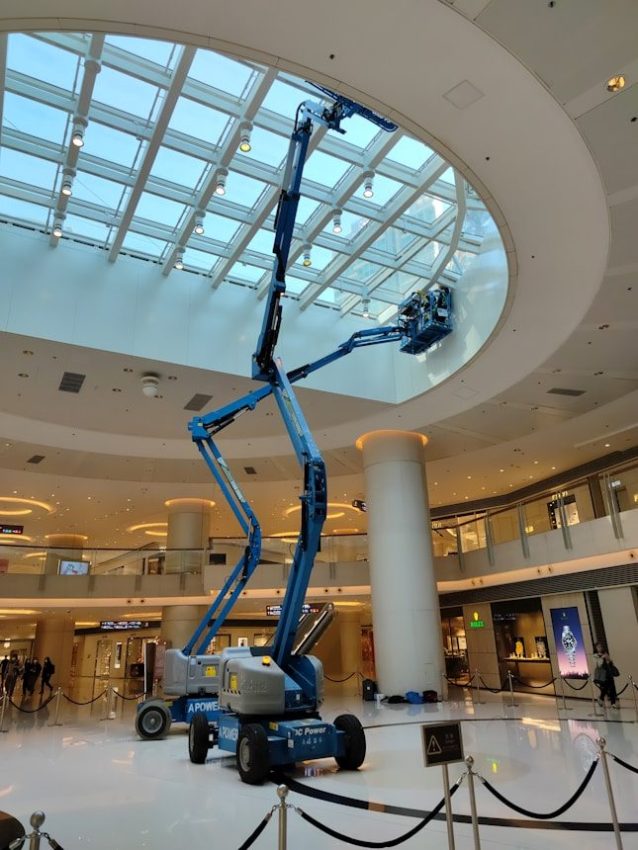
Whether you’re working on construction, maintenance, or large-scale installations, choosing the right setup, including an 80 ft boom lift rental, is only part of the job. Knowing how to use it safely is what truly protects your team and keeps your project on track.
Here are four practical safety tips you should always follow when operating an 80 ft boom lift.
1. Make Sure the Operator is Properly Trained
This is non-negotiable. Boom lifts are not casual equipment. They require proper training to operate safely.
Anyone using the lift should understand how the controls work, how to handle emergency situations, and what the machine’s limits are. Training also covers things like weight capacity, safe positioning, and how to avoid common hazards.
Even if someone has prior experience, a quick refresher before starting a new project can make a big difference. It ensures everyone is aligned and reduces the chances of avoidable mistakes on site.
2. Inspect the Equipment Before Every Use
A quick visual check isn’t enough. You need a proper inspection before using the lift.
Look at key components like the boom, controls, tires, and guardrails. Make sure there are no visible signs of damage, leaks, or wear. If something feels off, don’t use the equipment until it’s checked and cleared.
Also, pay attention to the ground conditions. An 80 ft boom lift needs stable, level ground to operate safely. If the surface is uneven or soft, it increases the risk of tipping.
Taking a few extra minutes to inspect everything can prevent serious issues later.
3. Always Use Proper Safety Gear
When working at height, safety gear is your last line of defense.
A full-body harness attached to the designated anchor point is essential. This helps prevent falls, especially when the lift is fully extended. Along with that, wearing a hard hat, gloves, and high-visibility clothing adds an extra layer of protection.
It’s also important to stay within the platform’s weight limit. That includes people, tools, and materials combined. Overloading the lift can affect balance and increase the risk of tipping.
Simple precautions like these go a long way in keeping everyone safe.
4. Stay Clear of Hazards and Maintain Awareness
Working at 80 feet means you’re exposed to more risks, especially overhead hazards.
Keep a safe distance from power lines at all times. Even indirect contact can be extremely dangerous. Watch for obstacles like beams, trees, or nearby structures that could interfere with the boom’s movement.
If visibility is limited, use a spotter on the ground to guide you. Clear communication between the operator and ground crew helps prevent missteps.
Also, avoid operating the lift in strong winds or unstable weather. At higher elevations, wind can affect balance more than you might expect.
Final Takeaways
- Safe operation starts with proper training and understanding of the equipment.
- Always inspect the boom lift and ground conditions before use.
- Use a harness and protective gear at all times when elevated.
- Stay within weight limits to maintain balance and stability.
- Keep a safe distance from power lines and overhead hazards.
- Use spotters and clear communication on busy job sites.
- Avoid operating in unsafe weather conditions or strong winds.
- Following these basic safety practices can minimize risks and keep your worksite safe.