
Interior designer Pacific Palisades professionals understand how to transform coastal homes into elegant living spaces that reflect the relaxed lifestyle of Southern California.
Living near the ocean changes how people think about design.
The light is brighter.
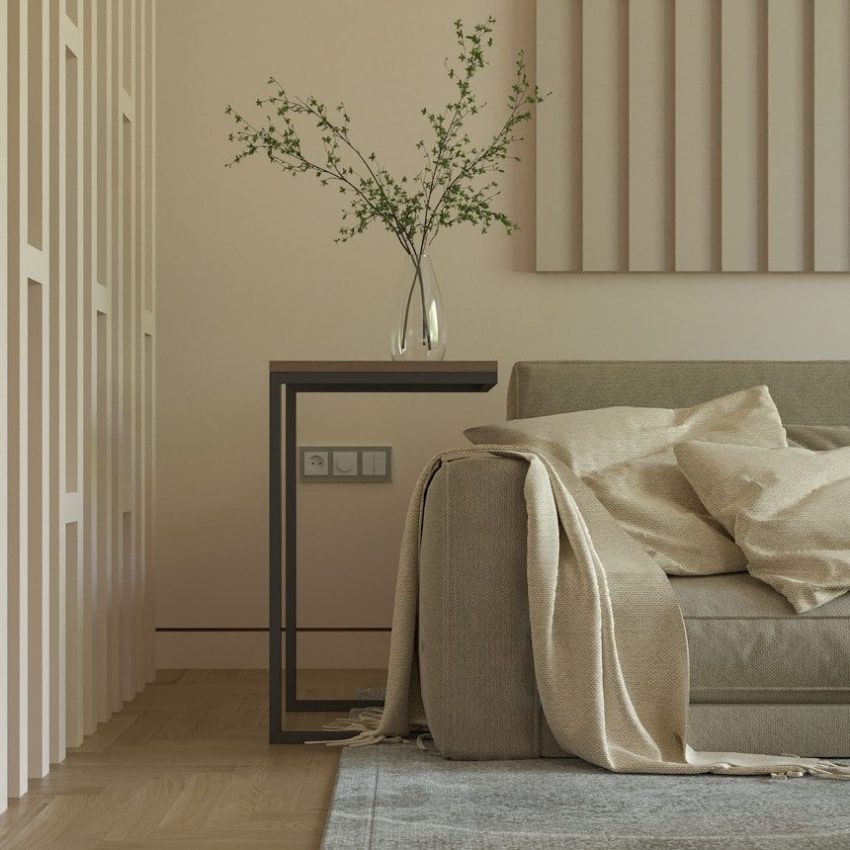
The breeze moves naturally through open windows.
And the home slowly becomes a place where indoor comfort blends seamlessly with the outdoor landscape.
Many homeowners in this coastal neighborhood want interiors that feel calm, refined, and deeply connected to the surrounding environment.
Achieving that balance requires thoughtful planning and a strong understanding of coastal architecture.
A well-designed home near the ocean should feel effortless while still reflecting a sense of luxury.
Why Coastal Homes Require a Different Design Approach
Designing homes near the Pacific Ocean presents unique challenges and opportunities.
Salt air, sunlight exposure, and open floor plans influence material choices and layout decisions.
Many homes feature large glass doors, ocean-facing terraces, and indoor-outdoor living areas.
These features create stunning views but also demand careful planning.
A coastal interior specialist must balance beauty with durability.
Natural textures such as limestone, white oak, linen, and plaster often become the foundation of the design.
These materials age gracefully in a beach environment and help create that effortless California aesthetic.
I remember visiting a friend’s home overlooking Sunset Boulevard, where the designer replaced glossy cabinetry with warm wood millwork and matte finishes after reviewing ideas shared by an
interior designer Pacific Palisades.
The entire space immediately felt calmer and more connected to the surrounding landscape.
Small changes like that can completely reshape how a home feels.
Blending Indoor and Outdoor Living
One of the defining characteristics of homes in Pacific Palisades is the connection between indoor and outdoor living.
Large sliding glass doors and open patios often extend the living space beyond the walls of the home.
Designers carefully plan furniture placement to support this connection.
Seating areas often face ocean views or natural light sources.
Outdoor patios frequently mirror the interior color palette to maintain visual harmony.
Materials such as teak, stone, and textured concrete appear both inside and outside the home.
The goal is to create a natural transition rather than a hard separation between spaces.
I once walked into a coastal property where the flooring extended from the living room directly onto the terrace.
When the doors opened, the entire house felt twice as large.
Moments like that show how thoughtful design decisions can completely change how a home is experienced.
The Role of Custom Furniture in Luxury Coastal Interiors
Luxury coastal homes often rely on custom furniture to match the scale and character of the space.
Standard furniture rarely fits large ocean-view rooms properly.
Custom pieces allow designers to control proportions and materials.
A large sectional sofa can anchor an open living room without making it feel empty.
Handcrafted dining tables made from solid wood often become statement pieces in coastal kitchens.
Built-in shelving also helps maintain a clean and organized aesthetic.
I once watched a designer sketch a custom console table during a planning meeting.
The goal was to create a piece that framed the ocean view rather than blocking it.
The final result featured slim legs and a floating marble top.
When installed, the table looked like it had always belonged in the home.
Designing Around Natural Light
Homes near the coastline receive an abundance of natural light throughout the day.
While that light creates beautiful interiors, it also requires careful design planning.
Too much brightness can wash out colors or create glare.
Designers often use layered window treatments to soften the sunlight.
Sheer linen curtains are a popular solution because they diffuse light without blocking the ocean view.
Wall colors also influence how light moves through a space.
Soft whites, sandy neutrals, and pale gray tones reflect natural light while keeping rooms calm.
I once stood inside a newly renovated living room where sunlight reflected gently across plaster walls and light oak flooring.
The space felt peaceful even during the brightest afternoon hours.
That balance between light and comfort defines great coastal interiors.
Creating a Relaxed Yet Sophisticated Coastal Style
Homeowners in Pacific Palisades often want their homes to feel luxurious without appearing overly formal.
Achieving that balance is a defining element of coastal interior design.
Designers combine elegant architectural details with relaxed materials.
For example, brushed brass fixtures might appear alongside woven textures and linen upholstery.
Natural stone fireplaces often become focal points in living spaces.
Artwork inspired by ocean landscapes helps reinforce the connection to the coast.
The most successful designs avoid clutter and focus on simplicity.
I once heard a designer explain this philosophy during a home consultation.
Luxury should feel effortless rather than staged.
When the design feels natural, the home becomes more inviting.
The Importance of Spatial Flow in Open Floor Plans
Many homes in Pacific Palisades feature open floor plans designed for entertaining and family living.
While these layouts feel spacious, they require thoughtful planning to function well.
Designers create subtle boundaries between areas using rugs, lighting, and furniture placement.
A conversation area may sit near the fireplace.
A dining space might align with the ocean view.
The kitchen often becomes the central gathering point.
I once attended a dinner gathering in a redesigned coastal home where the layout guided guests naturally from the kitchen island to the terrace lounge.
No one felt crowded and the entire space flowed effortlessly.
That kind of spatial harmony rarely happens by accident.
It comes from careful design planning.
Personalization Creates a Home That Feels Authentic
Every homeowner brings different tastes and lifestyle needs.
A well-designed home reflects those personal preferences.
Some clients prefer minimalist interiors with clean lines and neutral palettes.
Others prefer layered textures and warmer tones.
Personal artwork, travel collections, and heirloom pieces often shape the design story.
I once visited a home where the entire living room design centered around a collection of coastal photography taken by the homeowner.
The surrounding color palette remained neutral so the artwork could stand out.
The space felt personal rather than staged.
That authenticity is what makes a home truly memorable.
Long-Term Value of Professional Interior Design
Professional design services often improve both lifestyle and property value.
Homes with thoughtful interiors photograph better and attract buyers faster.
This is especially important in high-value neighborhoods like Pacific Palisades.
Design upgrades such as custom millwork, premium materials, and improved lighting can significantly elevate a property.
Buyers often notice these details immediately.
I once toured two similar homes located on the same street.
One featured carefully planned interiors with curated finishes and balanced proportions.
The other relied on standard staging furniture.
The difference in atmosphere was dramatic.
Quality design communicates value without needing explanation.
Final Thoughts on Luxury Coastal Interior Design
Luxury coastal homes require thoughtful planning, material knowledge, and an understanding of how people live near the ocean.
The best interiors balance elegance with comfort and simplicity.
Natural light, organic textures, and open spaces help create homes that feel both sophisticated and welcoming.
Pacific Palisades offers a unique opportunity to design homes that connect architecture with the surrounding coastline.
When the design respects both the environment and the homeowner’s lifestyle, the result is a living space that feels timeless, relaxed, and deeply personal.
That harmony is what defines exceptional coastal interior design.