
Key Takeaways
- Identify and troubleshoot common water heater issues to maintain optimal performance.
- Implement preventive maintenance to extend the lifespan of your water heater.
- Recognize when professional assistance is necessary for complex problems.
Table of Contents
- No Hot Water
- Inconsistent Water Temperature
- Strange Noises
- Water Leaks
- Discolored or Rusty Water
- Foul-Smelling Hot Water
- Low Water Pressure
- Pilot Light or Ignition Issues
- Conclusion
Ensuring a consistent supply of hot water is essential for both comfort and daily routines. When a water heater malfunctions, it disrupts daily life and can even lead to costly repairs or replacements. Whether you are experiencing inconsistent temperatures or a lack of hot water altogether, understanding common water heater problems and their solutions is crucial. For professional support or new system upgrades, homeowners can benefit from expert water heater installation services, ensuring efficient and reliable hot water delivery throughout the home.
Water heater troubles can manifest in several ways, from odd noises to water leaks. Regular maintenance and prompt attention to emerging issues can save time, money, and stress. In this guide, we will break down common water heater concerns and provide clear steps to diagnose and resolve them effectively, helping you maintain a comfortable, functional household. With regular inspection and timely intervention, most water heater issues can be resolved before they cause significant inconvenience or damage. If left unchecked, minor failures can escalate into expensive repairs or complete replacements. Homeowners should familiarize themselves with the warning signs and recommended solutions outlined below. Learning how to address basic problems also improves safety, as certain malfunctions, such as leaks or gas-related issues, can pose hazards to property and well-being.
No Hot Water
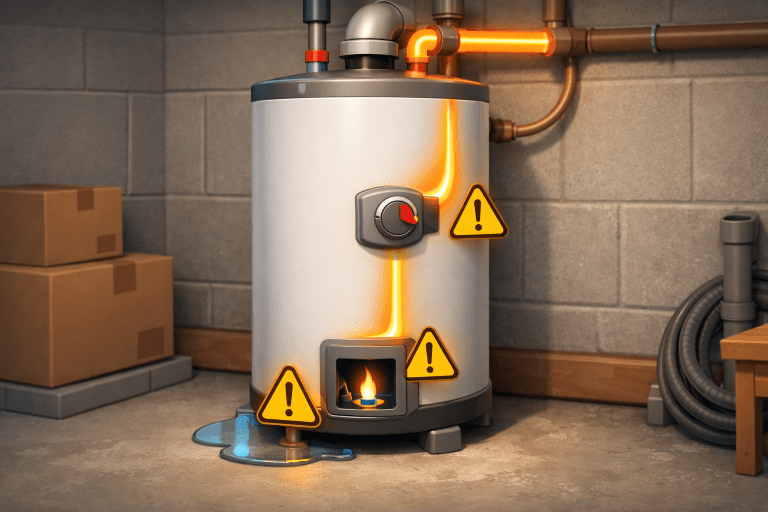
If you encounter a complete lack of hot water, begin by checking the type of water heater in your home. Electric models may stop functioning due to a tripped circuit breaker or a faulty heating element, while gas models may shut down if the pilot light is extinguished or the gas valve malfunctions. To resolve this, check and reset the circuit breaker, or relight the pilot light if needed, to ensure gas is flowing properly. If these basic steps do not resolve the issue, or if you are uncomfortable handling gas lines or electrical components, contact a licensed technician as soon as possible.
Inconsistent Water Temperature
Fluctuating hot water temperatures can often be traced back to thermostat malfunctions or sediment accumulating in the bottom of the tank. Sediment acts as a barrier between the water and the heater’s elements, hindering even heating. Regular flushing of the tank can remove debris and restore efficiency. Additionally, ensure the thermostat is set correctly and test its functionality. If the problem persists, replacing the thermostat may be necessary.
Strange Noises
Popping, banging, or rumbling noises coming from the water heater are usually signs of sediment buildup. As minerals accumulate at the bottom of the tank, they trap water, which then boils and creates noise as it escapes the sediment layer. Annual tank flushing can help eliminate these sounds, improve heating efficiency, and prolong the unit’s lifespan. If noises persist after flushing, inspect the heating element for signs of damage.
Water Leaks
Leaks around your water heater might originate from loose plumbing connections, a worn-out temperature and pressure relief valve, or corrosion inside the tank. Begin by inspecting connections at the top and bottom of the unit and tightening any loose fittings. Check the temperature and pressure relief valves by lifting the lever (with a bucket handy) to see if they drain correctly. Tank corrosion is a more severe problem that typically requires full replacement. Address leaks immediately to minimize water damage and potential mold growth in your home.
Discolored or Rusty Water
If hot water from your taps is discolored or rusty, corrosion within your tank may be to blame. The anode rod, which is designed to protect the tank from rust, may have deteriorated. Replacing the anode rod can often solve this issue. If your water continues to show signs of rust even after changing the rod, consider replacing the entire water heater to maintain your home’s water quality.
Foul-Smelling Hot Water
Hot water with a rotten-egg odor can indicate bacteria growing in your tank, which react with the anode rod to produce hydrogen sulfide. This is common in homes that use well water. Flushing the tank and treating it with a hydrogen peroxide solution can eliminate bacteria. If the smell persists, switch the anode rod material (e.g., from magnesium to aluminum or zinc) for better results.
Low Water Pressure
Reduced hot water pressure is often caused by sediment that blocks pipes or clogs the water heater. Flushing the heater and removing any debris from faucet aerators can help. Persistent pressure drops could mean a deeper plumbing blockage or trouble with your municipal supply, both of which might require professional assessment.
Pilot Light or Ignition Issues
Gas water heaters rely on a functioning pilot light for ignition. If this light goes out frequently, it could be due to a dirty or defective thermocouple, a clogged burner, or inadequate ventilation. Ensure all parts are clean and correctly installed, and confirm that air can freely vent from the area. If these measures fail, call an expert for a more in-depth inspection, as unresolved gas or ignition issues could pose a safety hazard. By staying vigilant and responding quickly to water heater issues, homeowners can prevent minor inconveniences from becoming major setbacks. Routine maintenance, timely repairs, and, when necessary, professional help all contribute to the long-term efficiency of your water heating system. For additional tips and expert advice, consider the Homes & Gardens maintenance guide to keep your system running smoothly year-round.
Conclusion
Understanding the common signs of water heater problems can help homeowners respond quickly and prevent more serious damage or system failure. Issues such as inconsistent water temperatures, strange noises, leaks, rusty water, foul odors, and low water pressure often indicate underlying maintenance or component concerns that should not be ignored. Addressing these problems early can improve efficiency, reduce repair costs, and ensure a steady supply of hot water for everyday needs. Regular maintenance, including flushing the tank, inspecting components, and monitoring system performance, plays a major role in extending your water heater’s lifespan. While some minor issues can be resolved with basic troubleshooting, more complex electrical, gas, or structural problems should always be handled by a licensed professional. With proactive care and timely repairs, homeowners can maintain a reliable, safe, and energy-efficient water heating system for years to come.