
There’s a reason certain backyards immediately feel inviting the moment you step into them.
It’s usually not because they’re larger, more expensive, or professionally landscaped. In many cases, the difference comes down to how intentionally the space was designed to connect with everyday life.
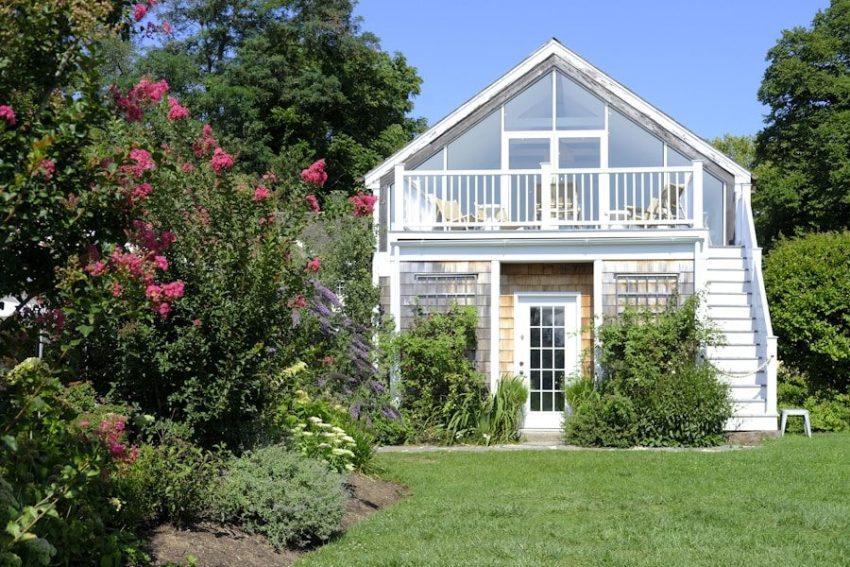
Some outdoor areas feel unfinished even after thousands of dollars in upgrades. Others feel comfortable, natural, and lived-in even with relatively simple materials. The distinction often comes from how homeowners think about flow, comfort, texture, and usability before the project begins.
That’s why experienced professionals, including a skilled Columbus deck builder, often focus just as much on how a family will use the space as they do on the structure itself.
A backyard that truly works doesn’t just look good in photos. It supports how people actually live.
The Best Outdoor Spaces Don’t Feel Separate From the House
One of the biggest mistakes homeowners make is treating a deck or patio as an isolated project rather than an extension of the home itself.
When outdoor spaces feel disconnected, people naturally use them less. The transition feels abrupt, the layout feels awkward, and the space never becomes part of daily routines.
The most welcoming backyard designs usually create visual continuity between indoor and outdoor environments. That might mean carrying similar tones, textures, or materials outward from the house. It could also mean aligning deck access points with the rooms families already spend the most time in.
For example, a deck positioned directly off a kitchen often becomes part of everyday living because it naturally supports morning coffee, casual dinners, and entertaining without requiring people to “go outside” in a formal sense.
Small design choices matter here more than homeowners often realize. Matching siding tones with decking colors, repeating natural wood textures, or choosing railings that complement interior finishes can dramatically change how cohesive the entire property feels.
That’s why exterior remodeling decisions often work best when viewed holistically rather than as isolated upgrades.
Comfort Matters More Than Square Footage
Many homeowners assume a larger deck automatically creates a better outdoor experience. In reality, oversized spaces frequently feel empty or impractical when they lack intentional zones.
Comfort comes from proportion and usability.
A smaller deck with thoughtful seating placement, shade coverage, lighting, and privacy often feels far more relaxing than a large open platform with no clear purpose.
The most successful outdoor living spaces typically support multiple kinds of use without trying to do everything at once. A dining area might transition into a quieter seating corner. Built-in benches may create structure without making the space feel crowded. Strategic landscaping can soften edges and reduce the harshness that sometimes comes with newer construction.
Even simple additions like overhead string lighting or layered planters can completely change how people emotionally respond to a space after sunset.
Homeowners often underestimate how much the atmosphere influences whether they actually spend time outdoors consistently.
Materials Quietly Shape the Entire Mood
Outdoor spaces are deeply tactile environments. The materials people touch, walk across, and see every day shape how the space feels emotionally.
This is one reason decking material selection matters beyond maintenance discussions.
Natural wood tends to create warmth and softness visually, while modern composite materials often provide cleaner lines and longer-term consistency. Neither is universally better; it depends entirely on the surrounding home style and the atmosphere the homeowner wants to create.
The same principle applies to siding.
A home with outdated or visually disconnected siding can unintentionally make even a beautiful new deck feel incomplete. Coordinated exterior materials help the entire property feel intentional rather than pieced together over time.
This is where products like LP SmartSide and James Hardie siding have become increasingly popular among homeowners focused on balancing durability with appearance. Their texture and finish options allow exterior spaces to feel more cohesive without overwhelming the home’s original character.
Good outdoor design rarely comes from chasing trends alone. It comes from creating consistency.
Privacy Often Determines Whether a Space Gets Used
A visually beautiful backyard can still feel uncomfortable if homeowners feel overly exposed.
Privacy is one of the most overlooked factors in outdoor living design because people tend to think about it only after construction is complete.
The issue isn’t always visibility itself. Sometimes it’s simply the psychological feeling of being “on display.” Even subtle exposure to neighboring windows or nearby streets can discourage people from fully relaxing outdoors.
The most comfortable outdoor spaces usually soften those boundaries naturally.
Layered landscaping, vertical greenery, privacy screens, pergolas, and thoughtful deck orientation can all help create a stronger sense of enclosure without making the yard feel closed off.
Interestingly, homeowners often report using their decks far more frequently once privacy concerns are addressed, even when no major structural changes occur.
Comfort changes behavior.
Outdoor Spaces Age Better When They Prioritize Real Life
The most successful outdoor renovations are rarely the flashiest.
They’re the ones that still feel functional and welcoming years later because the design choices were rooted in how people actually live.
A family with young children may prioritize durability and easy maintenance. Empty nesters might focus more on entertaining or creating quiet retreat areas. Some homeowners care primarily about curb appeal, while others want flexible outdoor dining space throughout multiple seasons.
There’s no universally perfect deck design because every household uses space differently.
The key is designing around habits rather than trends.
That’s often what separates outdoor spaces that feel timeless from ones that quickly start feeling dated or underused.
Final Thoughts
A relaxing backyard rarely happens by accident.
The outdoor spaces people love most are usually shaped by thoughtful decisions about comfort, layout, material consistency, and everyday functionality. They feel connected to the home instead of being added to it later.
For homeowners considering larger exterior upgrades, working with experienced professionals who understand both structure and aesthetics can make a substantial difference in the final result. Companies like US Quality of Columbus operate in that intersection where durability, curb appeal, and practical outdoor living all come together naturally.