
Key Takeaways
- Energy-efficient windows significantly reduce heating and cooling costs.
- Proper evaluation and maintenance improve window performance and longevity.
- Material choice and correct installation are essential for maximizing benefits.
- There are incentives and rebates available to help offset upfront costs.
Table of Contents
- Understanding Energy-Efficient Windows
- Assessing Your Current Windows
- Choosing the Right Window Materials
- Importance of Professional Installation
- Financial Incentives and Rebates
- Maintaining Your New Windows
- Conclusion
Upgrading your windows is one of the most effective ways to improve your home’s efficiency, comfort, and curb appeal. Whether you want to lower your utility bills or enhance your property value, investing in energy-efficient windows brings significant benefits. Learn how to make smart choices, maximize energy savings, and understand the essentials of replacement. Trusted window replacement services can guide you through every step, ensuring the right fit for your home and budget.
Choosing new windows can be overwhelming with all the options available. From material selection to professional installation, the right information can make your project easier and more effective. By understanding what to look for and how to maintain your new investment, you ensure lasting performance and ongoing savings. Many homeowners also consider a whole-home solution for efficiency and style. If you’re interested in broader improvements, like door and window replacement, working with experienced professionals ensures that every opening in your home meets high-efficiency and durability standards.
Understanding Energy-Efficient Windows
Energy-efficient windows use advanced technology to minimize heat transfer. Features like double or triple panes, Low-E (low emissivity) glass coatings, and insulating gas fills such as argon or krypton contribute to their performance. These elements work together to keep warm air inside during winter and out during summer. Replacing outdated windows with high-efficiency models can help lower a home’s annual energy consumption, leading to noticeable savings on heating and cooling costs. When shopping, check window ratings like U-factor and Solar Heat Gain Coefficient (SHGC) to compare efficiency. The lower the U-factor, the better the window’s insulation properties. A low SHGC helps prevent unwanted summer heat gain, especially in sunny climates.
Assessing Your Current Windows
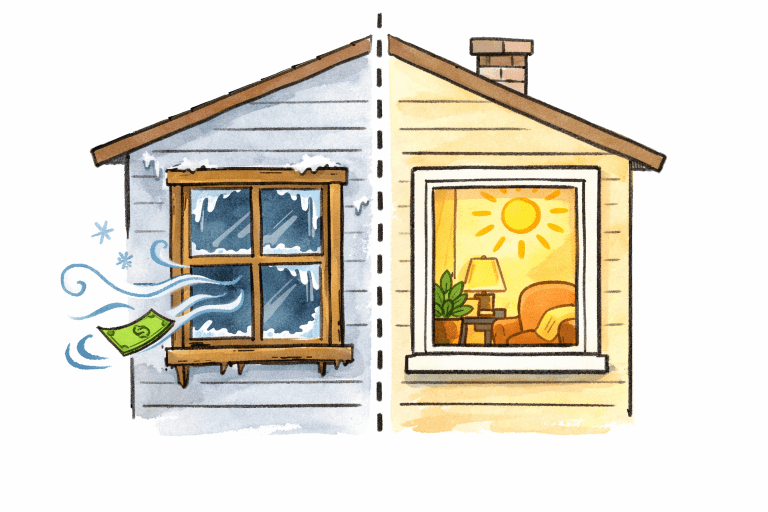
Test your existing windows by looking for tell-tale signs of inefficiency: cold drafts, condensation between glass panes, and damaged or soft frames. The dollar bill test is a simple method. Close your window on a bill and try to pull it out. If it slides easily, you may have an air leak. For older windows with minor problems, consider weatherstripping or adding storm windows for a temporary energy fix before committing to replacement.
When Is Replacement Necessary?
Windows with rot, persistent condensation, or difficulty opening and closing often require full replacement. Even if repairs are possible, new windows with advanced technology offer superior performance and comfort in the long run. The U.S. Department of Energy also recommends replacement of windows with single-pane glass, which is extremely inefficient compared to today’s insulated options.
Choosing the Right Window Materials
Selecting materials is an important step in ensuring the durability and efficiency of your replacement windows. Common options include:
- Vinyl: These windows are popular due to their affordable price and strong insulation properties. Vinyl is low-maintenance and resists warping or rotting over time.
- Wood: Wood frames provide excellent insulation and a classic appearance, though they require regular painting or sealing to prevent moisture problems.
- Fiberglass: Known for its sturdy construction and energy efficiency, fiberglass resists swelling, warping, and fading, making it ideal for harsh climates.
Weigh the pros and cons of each option based on your region’s climate, home design, and budget. Consult professionals who can walk you through product selections and customization options.
Importance of Professional Installation
Well-made windows cannot reach their full potential if improperly installed. Precision installation ensures airtight seals, prevents moisture intrusion, and maintains energy ratings. Skilled installers will check existing openings, ensure a proper fit, and use quality sealants to maximize efficiency and durability. Poor installation can result in costly problems such as drafts, leaks, or a reduced lifespan for your new windows.
Financial Incentives and Rebates
Many local utilities and government programs offer incentives to encourage homeowners to upgrade to energy-efficient windows. These programs might include rebates, low-interest loans, or federal tax credits to help reduce initial costs.
Maintaining Your New Windows
Proper window care ensures your investment remains efficient and attractive for years. Clean glass and frames regularly using mild soap and water. Inspect weather seals and caulking to spot deterioration or gaps. Address minor problems immediately to prevent moisture and air from compromising the insulation or frame integrity. Avoid harsh chemicals or abrasive tools that could damage the window surface or coatings.
Conclusion
Replacing aging windows with energy-efficient models is a practical way to boost home comfort, reduce utility bills, and increase property value. By carefully evaluating your needs, selecting high-quality materials, hiring a professional installer, and maintaining your windows, you will enjoy better home performance and beauty for many years to come. Leverage incentives and specialist help to make your upgrade project a smart, lasting investment.