
Owning horses sounds romantic. You ride them in wide fields. You hear their soft nickers in the morning. You build a barn they can call home. Many first-time horse owners picture that bliss. It’s easy to get swept up in it.
Then, when you’re actually putting the plan into action, you have more questions. What kind of stall keeps a horse safe? What keeps the barn from turning into a headache?
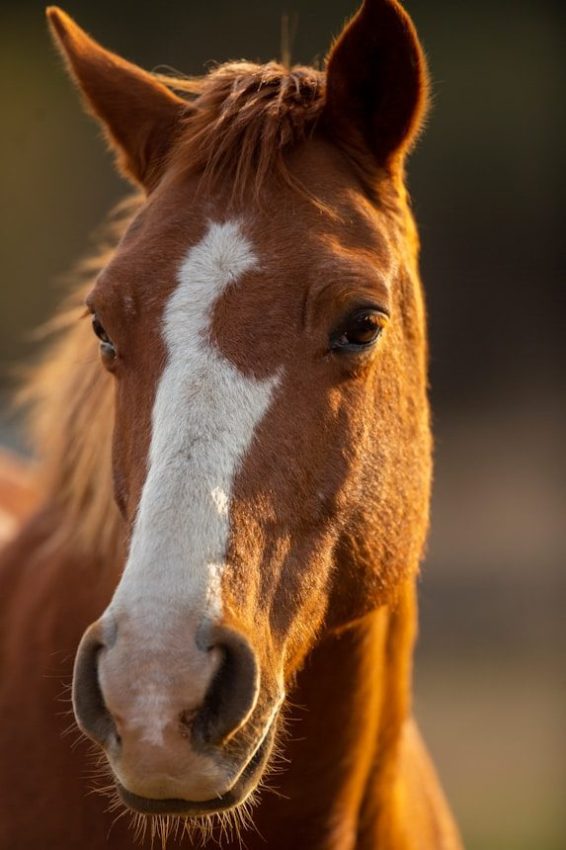
Horse stalls carry a ton of weight in your life as a horse owner. They shape comfort. They dictate safety. They affect your daily routine as a horse owner. Get them right, and everything flows better. Here are seven tips to help you build stalls that work for both you and your horse.
Prioritize Safety Over Aesthetics
First-time barn owners usually have a picture in mind for their horse stalls. Clean lines. Pretty finishes. You care more about how it looks at first. Then, horses start living in it. They lean. They kick. They test corners. Looking perfect is suddenly less important. Now, what matters is a stall that keeps them safe.
A good horse stall should feel solid before it looks beautiful. Make sure there are smooth edges. No sharp metal corners. No loose boards. Latches that don’t shift when a horse pushes against them. Bar spacing should protect hooves and heads. Walk through the stall like a horse would. Touch everything at their height. If anything feels questionable, it might be.
Work with a builder who understands horse safety. Sunset Valley Metalcraft designs beautiful horse stalls that are safe, strong, and thoughtfully built. The kind that holds up when horses are restless. A stall like that doesn’t just look good. It’s actually dependable, too.
Choose Durable, Low-Maintenance Materials
Barn life gets rough. Hay dust settles. Water splashes. Hooves scrape the same spots. Many first-time owners underestimate how fast wear builds up. What looks sturdy can age pretty fast. Maintenance can be a headache when that happens.
Material choice changes everything. Sturdy metal framing. Treated wood. Rust-resistant fittings. These reduce constant barn maintenance. They keep repairs from becoming a weekly chore.
In horse stalls, this looks like sealed surfaces that resist moisture. Panels that don’t warp in humidity. Fasteners that don’t loosen easily. Choose materials that can handle cleaning. And pressure. A barn built this way holds steady.
Plan Size Based on Horse Comfort
First-time owners sometimes follow minimum measurements and assume it’s enough. A tight stall changes a horse’s mood. They turn more often. They shift constantly. Some might pace in circles.
Better stalls give space that feels natural for standing and turning. This means thinking beyond basic sizing charts. Watch how your horse moves. Add room for bedding depth. Keep corners open. That way, they don’t feel boxed in. Lay out the stall so the horse can stretch without brushing the wall. The outcome? Calmer behavior and fewer stress-related habits.
Use Wide Doors with Secure Latches
Doors are vital when you let horses in and out of the stalls. Tight openings. Sticky hinges. Latches that take two hands to open. All of that builds frustration. A stall door should never slow you down. Or make the horse hesitate.
Wide sliding doors help. Smooth tracks. Clean movement. It’s similar in concept to a modern barn door inside the home, where the motion should feel easy and natural every time you use it. That means having enough clearance for safe entry. No awkward angles. No sharp swing paths. Horses move in and out with less resistance. You move with less stress.
Ventilation is Key
When air just sits in a barn, dust builds. Ammonia rises. Heat lingers longer. Horses feel it first. You see it in their breathing. Their restlessness. Poor airflow also creates hidden risks that new owners overlook.
Good ventilation means steady air movement without harsh drafts. Make sure you have high vents. Open ridgelines are a must, too. Place windows where air can travel across stalls.
This also affects barn fire safety. Proper airflow reduces heat buildup. It helps slow down dangerous conditions if something goes wrong. You let warm air escape instead of trapping it. The barn will feel lighter. It won’t hold heat or odors anymore.
Invest in Lighting and Flooring
Dark corners in a barn create hesitation. You second-guess steps. Horses react to shadows. Cleaning also becomes harder when you can’t see what you’re doing clearly. Flooring adds another layer. If it absorbs moisture or traps waste, daily care becomes heavier.
Place lights so every corner stays visible during night checks. Good lighting should spread evenly across horse stalls. No harsh glare. No deep shadows near walkways. Flooring should support easy cleaning and disinfecting of the barn. That means surfaces that rinse clean and don’t hold buildup. The barn becomes clearer and easier to manage.
Plan For Future Expansion
Most barns start small. But then, one horse turns into two. Then, three. Suddenly, space feels tight. And the layout you once liked starts limiting you.
Expanding later is expensive. Planning for expansion now is smarter. That means leaving structural space open. Position horse stalls so more can be added without disrupting the barn’s flow. Keep utility lines flexible. Choose layouts that can extend without major demolition. Think of where a future stall would sit. Then, build with it in mind. New additions will be a breeze.
Conclusion
Owning horses for the first time feels exciting. The horse stall is their home base. Get that right, and daily care will be easy. The horse settles faster. The barn’s easier to maintain. Clean-ups lose that heavy edge. The tips above will guide you in building those perfect, spacious, sturdy stalls. If you hear a happy neigh from the stall, that’s just your horse approving of its new home.