
Voice-controlled technology has transformed the way people interact with their homes, making everyday tasks simpler and more efficient. For homeowners interested in smart security, resources explaining connecting Alexa with Total Connect 2.0 provide valuable guidance on integrating voice assistants with home security systems, helping users understand how voice commands can be used to manage connected devices more effectively. As voice technology continues to evolve, it is becoming a central part of modern home automation.
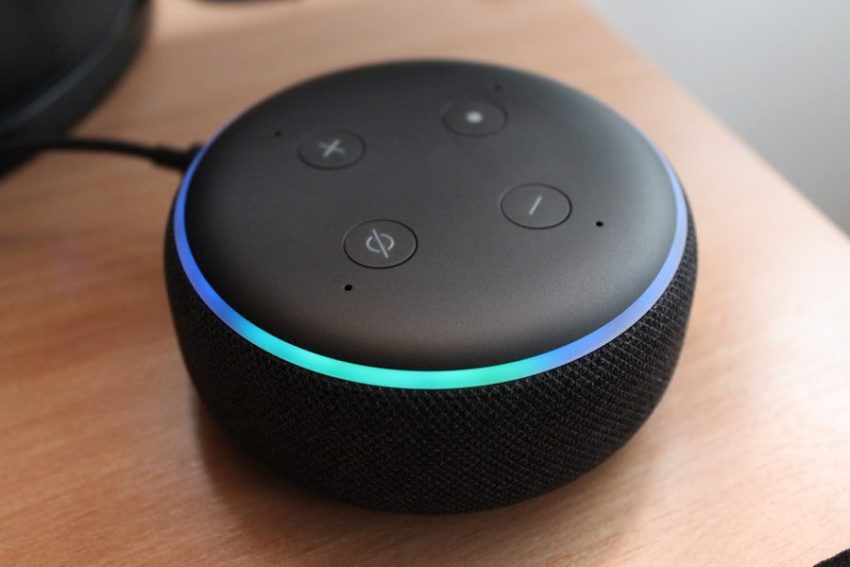
The Rise of Voice-Controlled Living
Voice assistants have moved far beyond their original purpose of answering questions or playing music. Today, they serve as command centers that allow homeowners to control lighting, thermostats, security systems, and entertainment devices with simple spoken instructions. This convenience has encouraged more people to adopt smart home technology.
The growing popularity of voice-controlled devices is largely driven by ease of use. Instead of navigating multiple apps or manually adjusting household systems, users can manage various functions through a single voice assistant. This creates a more streamlined and user-friendly experience for people of all ages.
Enhancing Home Security Through Voice Commands
One of the most significant advancements in smart home technology is the integration of voice control with security systems. Homeowners can receive alerts, check system status, and manage connected devices without needing direct access to control panels or mobile applications. This accessibility makes security management more convenient.
Voice-controlled security features can also support daily routines. Homeowners may arm systems before bed, check whether doors are locked, or receive updates about connected devices through simple voice interactions. These capabilities help create a more responsive and connected home environment.
Improving Energy Efficiency and Comfort
Voice-controlled technology plays a major role in helping households manage energy consumption. Smart thermostats, lighting systems, and connected appliances can all be adjusted using voice commands, allowing homeowners to optimize comfort while reducing unnecessary energy use. Small adjustments throughout the day can contribute to meaningful savings over time.
In addition to efficiency, voice control enhances convenience. Residents can adjust room temperatures, dim lights, or activate pre-programmed settings without interrupting their activities. This level of control helps create a more personalized living experience that adapts to individual preferences.
Simplifying Daily Household Tasks
Modern voice assistants are capable of handling a wide range of everyday responsibilities. From setting reminders and creating shopping lists to managing calendars and controlling appliances, these tools help homeowners stay organized and productive throughout the day. The ability to multitask through voice interaction saves both time and effort.
Voice technology also supports accessibility within the home. Individuals with mobility challenges or busy schedules can benefit from hands-free control of household systems. As voice recognition becomes more accurate, these features continue to improve the overall functionality of smart homes.
Creating Connected Smart Home Ecosystems
A major advantage of voice-controlled technology is its ability to unify multiple devices within a single ecosystem. Smart speakers can communicate with lighting systems, security equipment, cameras, locks, and entertainment devices, allowing homeowners to manage everything from one central interface. This integration reduces complexity and improves usability.
As manufacturers continue to expand compatibility between products, homeowners have more flexibility when building their smart home setups. Rather than relying on isolated devices, users can create automated routines that connect multiple systems together. These routines help homes operate more efficiently and respond automatically to daily needs.
The Future of Voice Technology in Homes
Voice-controlled technology continues to advance through improvements in artificial intelligence and machine learning. Modern systems are becoming better at understanding natural language, recognizing individual voices, and providing personalized responses. These developments make interactions feel more intuitive and seamless.
Future innovations may further expand the role of voice assistants in home management. Enhanced automation, predictive features, and deeper integration with household systems could make smart homes even more responsive. As technology evolves, voice control is likely to remain a key component of modern living.
Voice-controlled technology is reshaping how homeowners interact with their living spaces by combining convenience, efficiency, and connectivity. From managing security systems and reducing energy consumption to simplifying everyday tasks, voice assistants have become powerful tools for modern households. As smart home technology continues to advance, voice control will play an increasingly important role in creating homes that are more intelligent, responsive, and user-friendly than ever before.