
The most significant body changes in your 40s include hormonal hair loss, thinning vaginal tissues, metabolic recalibration, disrupted sleep cycles from dropping progesterone, shifting skin texture, baseline emotional fluctuations, cognitive brain fog, increased joint inflammation, and weakened pelvic floor support.
Nobody hands out a biological roadmap for this decade, leaving most women to piece together these physical shifts long after they begin. Here is exactly what happens behind the scenes of these transitions, and what I wish someone had explained sooner.
1. Your Hair Starts to Shift and Shed

Noticing extra strands coiling in the shower drain unsettles most women, yet hormonal hair loss affects approximately 12% of young women and climbs to 40% by age 50. A separate cross-sectional study found the prevalence reached 52.2% in postmenopausal populations.
As estrogen fluctuates, it alters your natural growth cycle, pushing more strands simultaneously into the shedding phase known as telogen effluvium.
Masking the issue with volumizing shampoos fails to interrupt this process since the biological change happens beneath the skin. You have to address the scalp directly to see any tangible difference.
Applying a specialized formula like the hair shedding treatment with no sulfates from Daniel Alain anchors existing strands at the root to reduce fallout before the hair detaches.
Hormonal hair loss affects roughly 40% of women by age 50, pushing more strands simultaneously into the shedding phase known as telogen effluvium.
2. Intimate and Pelvic Health Changes Quietly
Millions of women search for vaginal dryness natural remedies every month, absorbing the discomfort of thinning tissue without realizing it stems directly from declining estrogen.
Because the mainstream conversation remains largely non-existent, most women endure this specific symptom rather than asking a physician for help. The structural changes to the vaginal wall create friction and irritation that require targeted moisture support.
Doctor-formulated, hormone-free options provide a reliable approach to intimate care today. Innovations like NeuEve’s GMO-free natural treatment for vaginal dryness rely on food-grade ingredients developed by an OB-GYN to support the body’s own restorative moisture process.
These focused applications work without requiring a prescription, restoring everyday comfort through specialized hydration.
3. Your Metabolism Changes the Rules
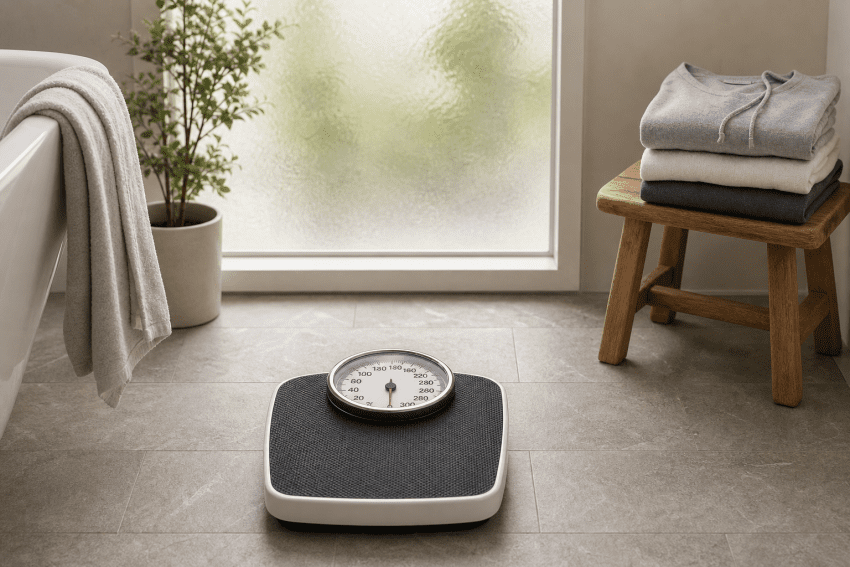
Your metabolism gradually recalibrates throughout your fourth decade as muscle mass steadily declines. Because losing muscle tissue means your body requires less fuel to sustain its resting state, this baseline caloric burn shifts independently of willpower or activity tracking.
Dropping estrogen actively redirects fat storage patterns during this phase of women’s health in midlife.
Distribution moves away from the hips and directly toward the midsection, meaning eating the same meals produces different physical results. These structural changes to fat storage require adjusting your protein intake to support your remaining muscle.
Key Insight: Metabolism slows down after 40 operates in direct proportion to muscle loss, and dropping estrogen actively redirects fat storage toward the midsection, independent of willpower.
4. Sleep Gets Complicated Without Progesterone

Waking up repeatedly at 3 a.m. or sweating through your sheets ranks among the most confusing symptoms women experience. Many patients mistakenly blame poor caffeine habits for these restless nights.
Progesterone provides a natural sedative effect for the brain, so dropping levels instantly removes a critical sleep regulator.
This hormonal deficit creates fragmented sleep cycles that track closely with your monthly fluctuations. By naming the biological cause of this exhaustion, you remove the false idea that you are failing to manage daily anxiety. You need specific nighttime routines to compensate for the missing chemical sedation.

5. Your Skin Rewrites Its Texture
Dermatological studies confirm that collagen production declines by approximately 1% every year after age 30. The cumulative deficit becomes visible a decade later when the underlying scaffolding thins out.
These physical shifts introduce sudden dryness, a duller surface appearance, and uncharacteristic reactions to standard skincare serums.
As the collagen network loses density, your pores naturally appear larger across your cheeks and nose. The barrier function weakens simultaneously, trapping less moisture and requiring heavier topical creams to achieve basic hydration.
Key Insight: Collagen production declines roughly 1% annually after age 30, and the cumulative deficit a decade later causes sudden dryness and a duller surface appearance.
6. Your Emotional Baseline Moves Measurably
Experiencing lower frustration tolerance or unexpected anxiety without an obvious trigger represents a core neurochemical reality.
Estrogen actively enhances serotonergic transport and uptake in the brain, meaning your emotional steadiness wavers when your hormone levels fluctuate. Your chemical buffer against daily stressors drops alongside your estrogen levels.
Medical professionals frequently dismiss these mood swings as standard life stress, leaving patients feeling uniquely fragile.
Understanding this estrogen-serotonin connection validates these baseline shifts as biological events, not personality flaws. Identifying the hormonal root prevents unnecessary self-criticism during volatile weeks.
7. Brain Fog Is Real and Hormonal
Reaching for a common vocabulary word and finding a space feels alarming the first time it happens. This specific cognitive gap stems from the fact that estrogen actively supports cerebral blood flow and neurotransmitter function. The brain relies on these hormones to maintain processing speed and verbal recall.
When those hormone levels dip, your verbal recall and mid-task concentration drop in measurable ways. Naming this fog firmly as a symptom of changing hormones prevents the quiet assumption that you are developing a neurological condition.
Maintaining mental sharpness during this decade often requires adjusting how you schedule demanding tasks.
Pro Tip: Firmly naming this cognitive gap as a hormonal symptom of perimenopause prevents the quiet, alarming assumption that you are developing a neurological condition.
8. Your Joints Get Louder
Waking up with stiff knees or new lower back tenderness points to a systemic chemical shift rather than workout strain.
Estrogen provides documented anti-inflammatory properties that protect your cartilage for decades. The sudden absence of this chemical leaves tissues vulnerable to daily friction.
As those hormone levels decline, that invisible protective barrier diminishes, leaving you with clicking joints and morning stiffness. Recognizing this as a specific endocrinology change rather than generic aging shifts how you approach your daily mobility.
You must incorporate targeted physical conditioning to replace the joint lubrication that hormones previously managed.

9. Your Bladder Becomes Less Patient
Sudden urinary urgency, leakage when laughing, and a higher susceptibility to infections wrap up the list of perimenopause symptoms women rarely disclose.
Declining estrogen physically thins the tissues of the urethra and the bladder wall. This thinning happens concurrently with the gradual weakening of your pelvic floor support structures.
Scheduling a pelvic floor therapy evaluation offers an effective, non-surgical intervention to rebuild that muscular hammock. This structural shift requires active physical rehabilitation, not silent endurance or embarrassment. Strengthening these muscles restores the physical control lost during the hormonal transition.
The Path Forward
The fourth decade marks the moment to stop quietly tolerating cognitive fog, joint inflammation, and metabolic shifts. You now possess the vocabulary to seek out scalp-level hair care for shedding and to request non-hormonal intimate health options for tissue dryness.
Take the specific symptom from this list that resonated the hardest and start a candid conversation with a medical specialist this week.