
Turf installation can feel like a big project until you understand what actually affects the price.
Most Southern California homeowners start thinking about synthetic grass after one painful summer water bill.
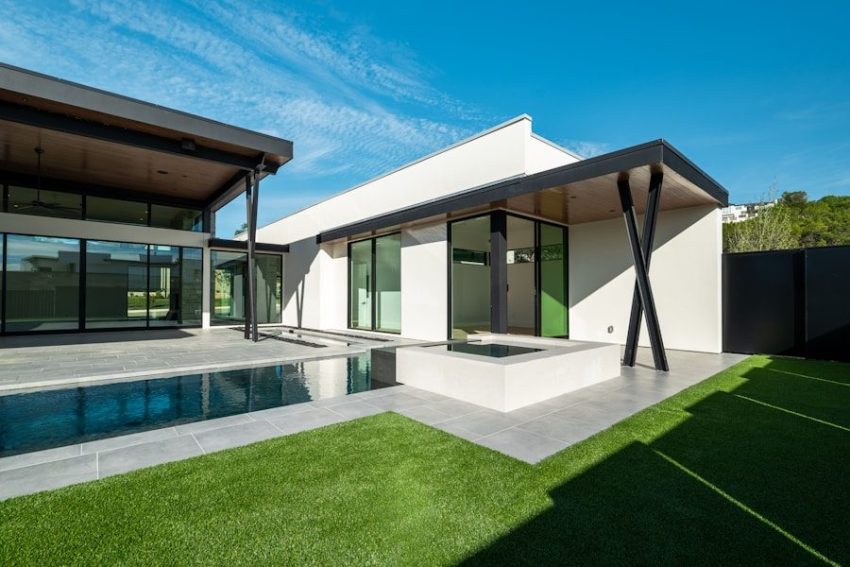
I have seen families replace patchy lawns because their grass turned brown by July, even after regular watering.
That is usually when the turf installation math starts to make sense.
What Homeowners Usually Pay for Artificial Grass
In Southern California, artificial grass installation often costs between $8 and $20 per square foot.
The final price depends on yard size, turf quality, soil condition, drainage, labor, and how much prep work is needed.
A small front yard may cost a few thousand dollars.
A larger backyard with curves, slopes, pet areas, or putting green features can cost much more.
The cheapest quote is not always the best deal.
I have seen low-cost lawns flatten, wrinkle, or smell bad after one summer because the base work was rushed.
Why Southern California Lawns Cost More Than Expected
Southern California soil can be tricky.
Some yards have hard clay.
Others have loose sandy soil.
Some properties have old sprinkler lines, tree roots, uneven grading, or poor drainage.
That means the crew may need to remove existing grass, dig deeper, add crushed rock, compact the base, and shape the surface before the synthetic lawn goes down.
This prep work is where quality matters most.
The grass you see on top is only part of the job.
The base underneath decides whether the lawn stays smooth, drains well, and lasts for years.
Main Cost Factors Homeowners Should Know
Yard Size
Larger lawns usually cost more overall, but the price per square foot may drop slightly on bigger projects.
Small spaces can still be expensive because crews still need equipment, materials, hauling, cutting, and finishing work.
A 300-square-foot side yard may not sound like much, but it still takes planning.
A 1,500-square-foot backyard needs more turf, more base material, more labor, and more hauling.
Turf Quality
Not all synthetic grass feels the same.
Some products look soft and realistic.
Others look shiny, flat, or fake in direct sunlight.
Higher-quality turf usually has better blade shape, stronger backing, improved drainage, and better UV resistance.
That matters in places like Los Angeles County, Ventura County, and the San Fernando Valley, where lawns get strong sun for much of the year.
Ground Preparation
Ground prep can change the price quickly.
Old sod removal, grading, weed barrier, crushed rock, decomposed granite, and compaction all add labor.
This is also where many bad installs fail.
If the base is uneven, the lawn may dip.
If drainage is poor, water may sit under the surface.
If the edges are not secured well, the turf may lift.
Drainage Needs
Good drainage is important for every artificial lawn.
It becomes even more important for pet owners.
A proper base lets water move through the surface and away from the yard.
Without that, the lawn can hold odor and moisture.
If your yard already has drainage issues, expect extra work.
French drains, grading corrections, or added base depth can increase the project cost.
Pet-Friendly Features
Pet turf often costs more because it needs better drainage and odor control.
Many homeowners add antimicrobial infill or special deodorizing layers.
This is worth considering if dogs use the same area every day.
I have seen pet yards fail when regular turf was installed without enough drainage.
The lawn looked great at first, then became hard to clean after a few months.
Shape and Layout
A simple rectangle is easier to install.
Curved walkways, planters, steps, pool edges, and tight corners take more cutting and detail work.
The more seams and custom cuts needed, the more labor goes into the job.
A clean edge around pavers or concrete can make the finished lawn look much more natural.
That detail takes time.
Is Artificial Turf Worth the Cost?
For many Southern California homeowners, the answer is yes.
The biggest savings usually come from lower water use, less lawn maintenance, and fewer landscaping headaches.
You do not need weekly mowing.
You do not need fertilizing.
You do not need reseeding.
You do not have to watch your lawn turn brown during hot weather.
That said, synthetic grass is not free maintenance.
You still need to rinse it, remove leaves, brush high-traffic areas, and clean pet spots.
The difference is that the work is usually faster and more predictable.
Real-Life Example
One homeowner I spoke with had a small backyard that stayed muddy every winter and dry every summer.
They had two kids, one dog, and a lawn that never looked good for more than a few weeks.
The family kept spending money on seed, sprinklers, fertilizer, and weekend cleanups.
After switching to artificial grass, the yard became usable almost every day.
The kids could play outside without tracking mud into the house.
The dog had a cleaner space.
The parents stopped spending Saturday mornings fighting with the lawn.
That is the real value most homeowners care about.
It is not just the grass.
It is the time, water, and frustration saved.
Common Mistakes That Raise Costs Later
Choosing the Cheapest Installer
Cheap work can become expensive later.
Bad seams, weak edges, poor drainage, and thin base layers often lead to repairs.
A good installer should explain the base depth, materials, drainage plan, turf type, infill, and warranty.
If they only talk about price, be careful.
Ignoring Heat
Artificial grass can get warm in direct sun.
This matters in hotter Southern California neighborhoods.
Lighter-colored turf, cooling infill, shade, and smart layout choices can help.
If kids or pets will use the lawn often, ask about heat-friendly options before choosing a product.
Skipping Drainage Questions
Drainage should never be an afterthought.
Ask where the water will go.
Ask how the base will be built.
Ask what happens during heavy rain.
A nice-looking lawn is not enough if water gets trapped underneath.
How to Budget Before Getting Quotes
Measure your lawn first.
Write down whether the area is flat, sloped, shaded, sunny, muddy, rocky, or full of roots.
Think about who will use the lawn.
Kids, pets, guests, and pool traffic all change what kind of turf makes sense.
Then compare quotes based on details, not just price.
A strong quote should include removal, base prep, materials, turf type, infill, edging, labor, cleanup, and warranty information.
Final Thoughts
A synthetic lawn is not just a cosmetic upgrade.
It can change how your outdoor space works every day.
For Southern California homeowners, the best results come from choosing the right grass, building a strong base, and planning for drainage, heat, pets, and long-term use.
The upfront cost may feel high, but a well-installed lawn can save water, reduce maintenance, and make the yard easier to enjoy year-round.