
I have spent fifteen years building things in my own workshop, everything from timber furniture to restored power tools, and wasted power drives me up the wall. My shed runs a compressor, welder, dust extractor and kiln that draws more than I like to admit, so when my bill kept climbing every quarter, I decided to solve the problem myself. After months of comparing options, I installed the neovolt solar battery alongside my existing rooftop solar array, and six months on, I finally have enough data to give an honest verdict.
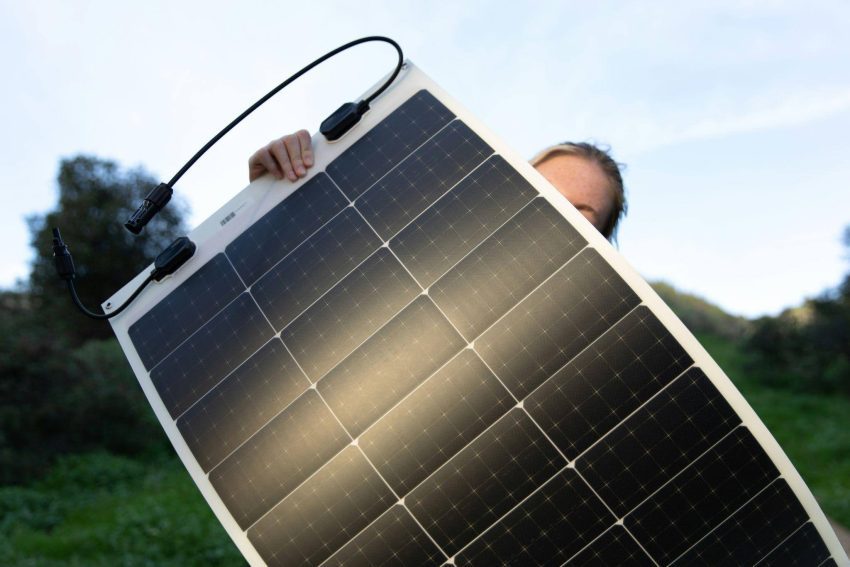
I should say up front that I am not the target customer that marketing teams usually imagine. I was never going to buy a battery purely because a salesperson told me to, so I wanted proof, logged over months rather than judged after one sunny week.
Install day
Install day was the part I worried about most. I am used to doing my own wiring and plumbing around the workshop, so I am naturally suspicious of anyone who tells me a job will be quick and tidy. The crew who fitted the unit turned up on time, walked me through where the battery would sit on the workshop wall, and were upfront about the conduit work needed to tie it into my existing switchboard. The whole job took a single day, from start to finish, including system commissioning and an app walkthrough. As someone who likes to understand how a tool actually works rather than just pressing the on button, I asked plenty of questions about the battery chemistry and the inverter sizing, and got straight answers rather than sales talk.
Performance in a real workshop
Performance is where this review actually matters, because anyone can install a box on a wall. My workshop is not a polite little home office; it is a genuine power hog. The compressor cycles constantly, the welder pulls a serious spike when it fires, and the kiln runs for hours at a stretch during firing season. In the first month, I mostly just watched the app, tracking how much solar the panels were sending into the battery during the day and how much of that stored power was running my tools after the sun went down. By month three, I had stopped thinking about it, which is honestly the best compliment I can give a piece of equipment. The battery quietly soaks up surplus solar through the afternoon and lets me run the welder or the dust extractor in the evening without pulling expensive grid power. On a few genuinely grey weeks in winter, the battery drained faster than I would like, which is just physics, not a flaw.
The monitoring app
The monitoring app deserves a mention too, since I am the sort of person who actually opens these things rather than letting them sit unused on my phone. It shows live solar generation, battery charge level, and how much I am drawing from the grid versus the battery at any given moment. There is something quietly satisfying about firing up the welder and watching the app confirm the draw is coming entirely from stored sunshine.
Value and cost
Value is the question every maker asks before buying any tool, and a home battery is no different. I am not going to pretend the upfront cost is small, because it is not, but I track every dollar that goes through my workshop the way I track every offcut of timber, and the numbers have been encouraging. My grid usage has dropped noticeably, particularly during the evening peak window when electricity is most expensive, and the battery is backed by a long enough warranty that I am comfortable treating it as infrastructure rather than a gadget that needs replacing in a few years.
Doing the homework first
Before committing, I did what I do before any big purchase: I looked for independent information rather than relying on a glossy brochure. The Clean Energy Council publishes consumer guidance on accredited installers and approved battery products, which gave me confidence that the install crew were not just contractors with a van and a logo.
Understanding the technology
I also wanted to understand what was actually happening inside the unit rather than just trusting the marketing copy, and the explainer from the Australian Renewable Energy Agency on how home and grid-scale batteries store and release power was genuinely useful background reading. It helped me ask better questions during the quote process and made the investment feel less like a leap of faith.
Who is this for
If you run a workshop or a household full of power-hungry hobbies, this is worth serious consideration, especially if your evenings involve tools rather than just lights and a television. It will not suit everyone, and occasional workshop use will stretch out the payback period, but for those of us in the shed most evenings, the maths works in your favour.
The honest verdict
So, the honest verdict from one maker to another. Installation was straightforward and well explained, performance has held up against a workshop that genuinely punishes equipment, and the value case stacks up once you account for evening peak pricing. It is not a magic box that erases your power bill, and anyone who tells you otherwise is selling something. What it has done is give me a workshop that runs through most evenings on stored sunshine instead of grid power, and that is exactly the kind of practical, slightly nerdy upgrade I can get behind.