
Some rooms feel complete the moment you walk into them, even when the furniture and décor come from different places. That sense of harmony usually comes from a few thoughtful choices about scale, materials, lighting, and the way individual pieces relate to each other. Design resources such as Arteriors can provide inspiration across lighting, furniture, and decorative accents, but creating a cohesive room starts with understanding how those elements work together in your own space.
Start With the Feeling You Want
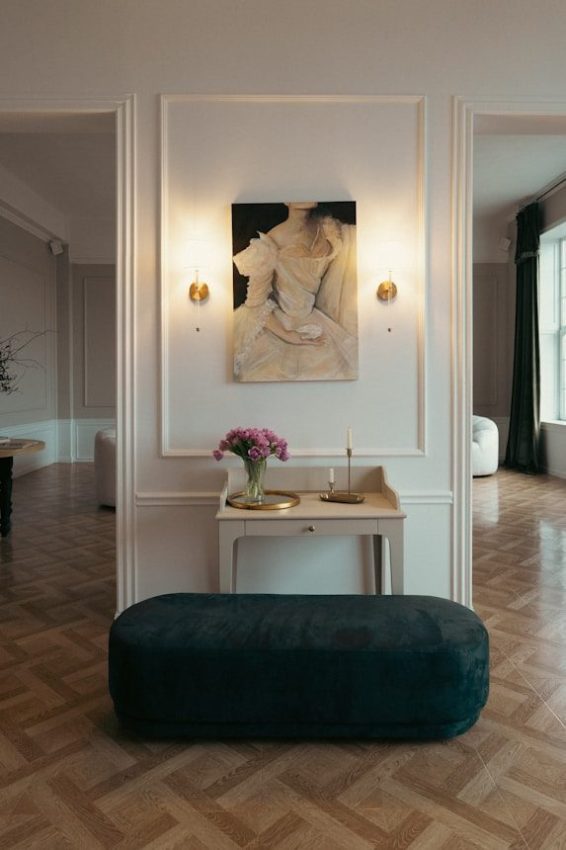
Before choosing furniture or décor, think about how you want the room to feel. A living room designed for relaxed evenings may call for soft lighting, comfortable seating, and warm textures. A dining room meant for lively gatherings may benefit from stronger shapes, a clear focal point, and lighting that draws attention toward the table.
Having a general direction makes later decisions easier. You do not need a strict theme or a detailed mood board for every room. A few words such as warm, relaxed, refined, or airy can act as a useful filter. When you consider a new piece, ask whether it supports that feeling and works with what is already in the room.
Get the Scale Right
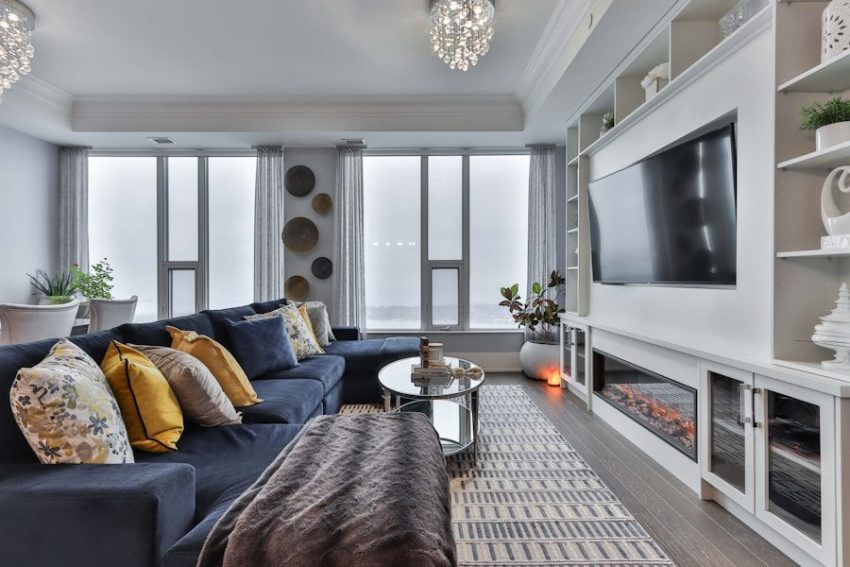
A beautiful piece can still feel out of place when its size does not suit the room. Furniture that is too large can make a space feel crowded, while pieces that are too small may appear disconnected. Scale also matters when choosing lamps, chandeliers, mirrors, artwork, and accessories.
Look at the room as a whole rather than judging each item on its own. A substantial sofa may need a coffee table with enough visual weight to balance it. A large dining table can often support a more generous light fixture above it. Measuring available space before buying anything can prevent many common design problems and make the finished room feel more settled.
Let Lighting Be Part of the Design
Lighting affects more than visibility. A fixture can introduce shape, texture, material, and personality while changing the atmosphere of the room. That makes lighting an important part of the design rather than something to consider after the furniture is in place.
Think in layers when possible. Overhead lighting can provide broad illumination, while floor and table lamps can create softer pools of light where people read, relax, or gather. Decorative fixtures can also act as visual anchors. A pendant above a table or a pair of lamps beside a sofa can help define areas within an open room and give the layout more structure.
Repeat Materials With Restraint
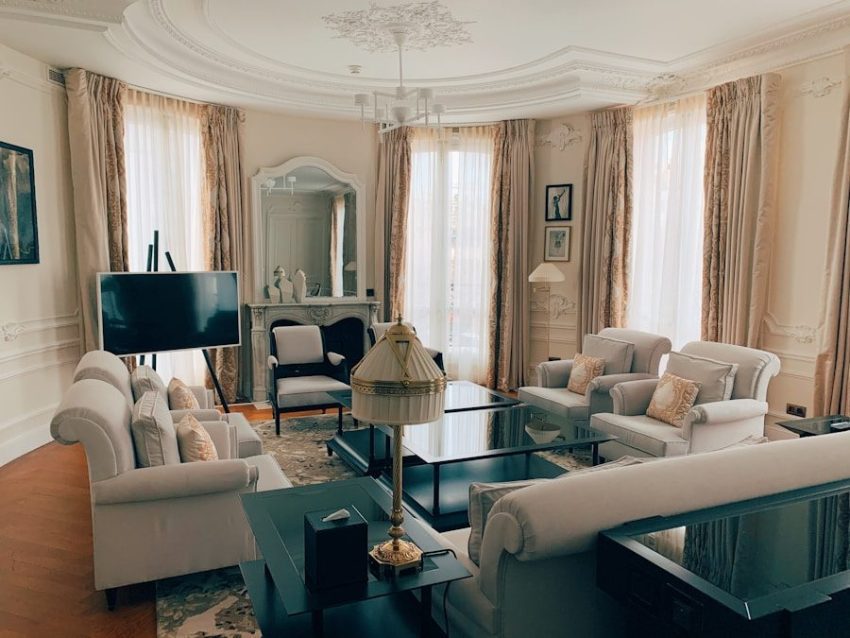
Rooms often feel cohesive when certain materials or finishes appear more than once. A warm metal on a light fixture might relate to a small detail on a table or decorative object. Natural wood can appear in furniture and then return in a frame or accessory elsewhere in the space.
The goal is connection rather than perfect matching. Using the same finish on every item can make a room feel overly planned. Instead, repeat a few visual cues while allowing variation in tone and texture. This creates enough consistency to tie the space together while still giving individual pieces room to stand out.
Create a Clear Focal Point
Most rooms benefit from having somewhere for the eye to settle. A fireplace, large window, distinctive light fixture, piece of art, or strong item of furniture can fill this role. Once you identify the focal point, arrange other elements so they support it rather than compete for attention.
This does not mean the rest of the room needs to be plain. It means giving visual importance some order. If a room contains a dramatic chandelier, bold artwork, patterned furniture, and several large accessories, each element may fight for attention. Choosing where you want the strongest impact can make the entire space feel calmer and more intentional.
Use Texture to Add Depth
Color often gets most of the attention when decorating, but texture can have an equally strong effect. Wood, metal, stone, glass, linen, wool, leather, and woven materials each reflect light and add visual interest in different ways.
Mixing textures is especially useful in rooms with a simple color palette. A neutral space can still feel rich when it combines smooth surfaces with soft fabrics, natural grain, and a few reflective details. Texture can also make a polished room feel more comfortable by adding warmth and variety without introducing more colors or patterns.
Give Accessories Room to Breathe
Accessories bring personality into a room, but they work best when they have enough space around them. Filling every tabletop, shelf, and wall can make it difficult to notice individual objects. A few carefully placed pieces often have more impact than a large collection displayed all at once.
Try grouping objects with different heights, shapes, or textures while leaving some open space nearby. Mirrors and wall décor can help balance areas that feel empty without adding furniture. Editing also matters. If a room begins to feel busy, removing a few items can reveal which pieces contribute most to the overall design.
Allow the Room to Evolve
A thoughtful interior does not need to come together in a single weekend. Living with a room for a while can show you where more light is needed, which areas feel empty, and whether the furniture supports the way you actually use the space.
This slower approach can also lead to a more personal result. Instead of filling every gap at once, you can add pieces as you find ones that suit the room and your taste. Pay attention to scale, repeat a few materials, create clear focal points, and leave space for individual objects to stand out. When each choice relates to the larger room, the finished space can feel collected, comfortable, and distinctly your own.