
Machinery in manufacturing plants and other industrial applications is subjected to actual mechanical loads. Industrial machinery operates continuously, which requires regular thorough checks. Most of the time, this machinery operates thousands of automated and hydraulic components working together.
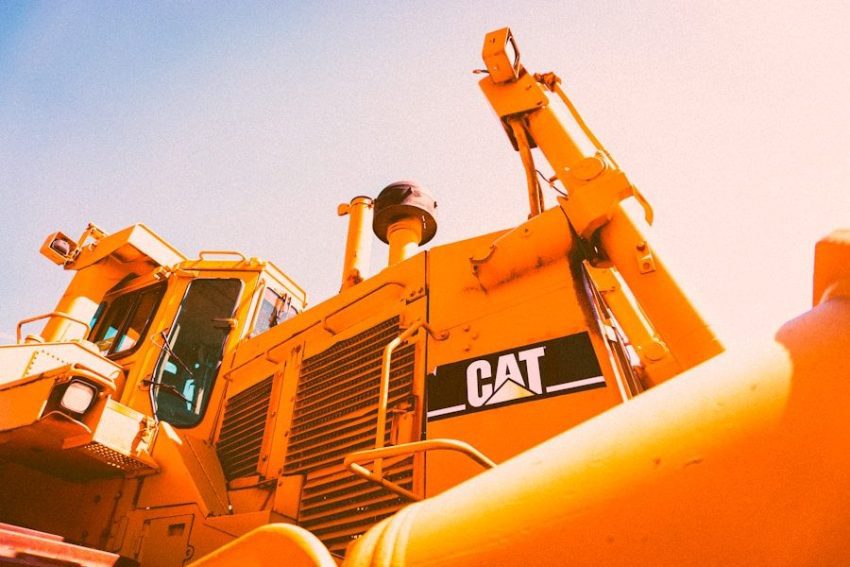
Ongoing operating friction, vibration and material fatigue cause invisible component wear over time. A piece of equipment going down means costly downtime and safety hazards when the structure is underway. This blog shares why routine checks of heavy machinery are necessary to avoid problems.
Early Detection of Micro-Fractures and Metal Fatigue
Frames on heavy machinery, crane booms, excavator arms, and loader buckets all take a lot of physical pounding during heavy lifting. Constant mechanical stress causes invisible micro-fractures, metal fatigue and weld cracks that can lead to structural failure. A plant machinery inspection is conducted using non-destructive testing (NDT), ultrasonic audits and magnetic particle checks to detect metal fatigue.
Take a look at the critical structural inspection methods for heavy machines:
- Ultrasonic Thickness Audits: You need to measure the thickness of internal metal across load-bearing booms and chassis frames to detect internal corrosion
- Magnetic Particle Testing: Rapidly detects any possible invisible surface cracks and weld fractures in heavy steel lifting components
- Visual Weld Inspections: Essentially inspects key structural joints and stress points for visible cracking, rust or looseness of bolts
Preventing Any Hydraulic System Leaks and Pressure Drops
Hydraulic fluid systems provide heavy lifting force and braking capacity in modern industrial plant equipment. These systems can run under thousands of pounds per square inch of pressure and use top-grade rubber hoses, seals and valves. Routine inspections are performed for pinhole leaks in hydraulic lines, surface rubber abrasion, pump pressure drops and fluid contamination levels.
Below are the important reasons why hydraulic inspection is a priority for reliability:
- Hose Abrasion Audits: Checks flexible hydraulic hoses for outer rubber wear, wire braid exposure, and fitting leaks
- Fluid Contamination Testing: Analyses hydraulic oil samples for metal particles, water ingress, and thermal breakdown
- Pump Pressure Verifications: Tests hydraulic pump output pressures to ensure lifting systems operate at manufacturer specs
Effectively Auditing Electrical Systems and Electronic Sensors
Electronics are all around us in today’s industrial heavy machinery, including electrical wiring harnesses, electronic control units, and automated safety sensors. The vibration of the engine and the ingress of moisture can abrade electrical wiring and corrode sensitive electronic sensors. An electrical audit includes the testing of battery, alternator outputs, wire insulation and safety interlock switches.
Here are the critical electrical systems that need to be verified during inspections:
- Safety Interlock Switches: Tests emergency stop buttons, seatbelt latches, and cabin door interlocks for instant activation
- Wiring Harness Integrity: Audits electrical looms for wire chafing, melted insulation, and loose terminal connections
- Sensor Calibration Checks: Verifies overload sensors, tilt switches, and proximity alarms operate accurately under load
Lowering Your Repair Expenses and Extending Machine Lifespan
Emergency and immediate repairs entail rush-ordered parts and collateral damage to the engine parts. What’s more, the team regularly checks the equipment and makes repairs during off-peak hours and provides replacement parts at competitive prices. That’s why having a reliable and proactive component replacement extends the life of the equipment to maximise your return on capital investment.
Protect Your Industrial Fleet with Routine Inspections Today
The best way to avoid catastrophic equipment failure and control operating costs is to put regular heavy machinery inspections at the top of your list. Proactive component replacement, auditing electrical systems, checking hydraulic lines and early detection of cracks all help keep your fleet running. Regular inspections avoid unanticipated failures at the job site and ensure total compliance with the regulations.