
Key Takeaways
- Pest activity can change with temperature, rainfall, food availability, and shelter.
- Sealing small gaps and correcting moisture issues can make a home less inviting to pests.
- Every season brings a different set of prevention priorities for Grove City properties.
- Standing water, outdoor clutter, and unsecured food can contribute to summer pest activity.
- Correct identification should come before choosing a treatment product or method.
- Termites, rodents, bed bugs, and nests near living spaces may require professional attention.
Grove City, Ohio, homeowners experience the full range of central Ohio weather, from wet spring days and humid summers to leaf-heavy falls and freezing winter stretches. A seasonal prevention routine helps reduce the food, moisture, and shelter that draw pests close to a home. When activity persists or the source is difficult to find, local exterminators in Grove City can help identify the issue and recommend an appropriate next step.
Prevention does not require turning every weekend into a major home project. Consistent checks around the foundation, roofline, garage, kitchen, and yard can reveal small issues before they become more frustrating. The goal is to remove conditions pests use, rather than simply reacting after they are indoors.
Why Pest Activity Changes With the Seasons
Pests respond to their surroundings. Warmth can increase insect activity, rain can create damp hiding places and standing water, and colder weather can push rodents and insects toward protected indoor spaces. Seasonal patterns are useful guides, but weather can shift timing from year to year. A mild winter spell or an especially wet spring may bring activity earlier than expected.
- Spring: Ants, spiders, and moisture-associated insects may become more noticeable.
- Summer: Mosquitoes, flies, wasps, ants, and other outdoor pests often demand attention.
- Fall: Mice and overwintering insects may seek sheltered gaps, attics, garages, and wall voids.
- Winter: Kitchens, pantries, basements, and utility rooms can still support indoor pest activity.
Early Spring: Check Moisture and Entry Points
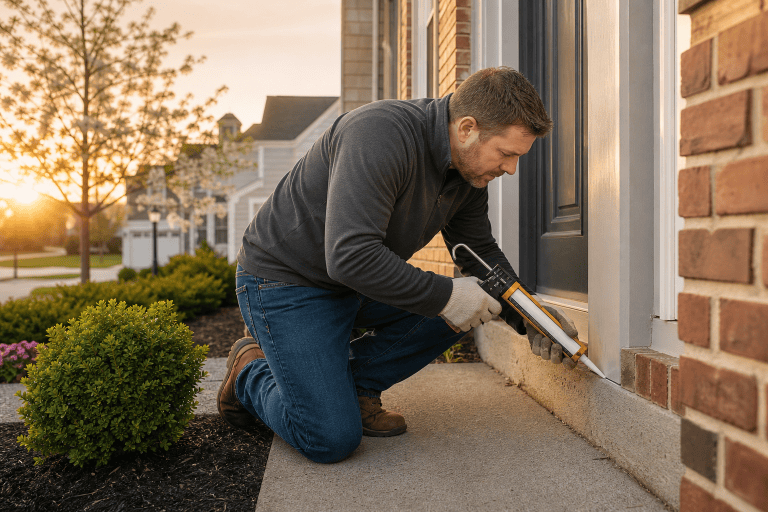
After winter, inspect areas affected by melting snow, spring rain, and freeze-thaw wear. Walk the exterior slowly and look at the foundation, downspouts, doors, window screens, vents, and utility penetrations. Repair loose screens, worn door sweeps, and visible openings around pipes or cables. Clean gutters and make sure downspouts direct water away from the foundation.
Inside, check beneath sinks, around water heaters, near laundry appliances, and in unfinished basement areas for drips or dampness. Moisture control matters because many pests need water, while damp wood and debris can also create favorable hiding places. Trim shrubs and vines so they do not rest against siding, windows, or the roofline.
Late Spring: Watch for Ants, Termites, and Spiders
As outdoor insect activity increases, pay attention to repeated ant trails, fresh spider webs, insects clustering near doors or windows, discarded wings, and pencil-sized mud tubes on foundation walls. Ants may be following food or water indoors, while spiders often appear where other insects are available as prey.
Questions to Ask During a Home Check
- Are insects using the same opening, window, door, or wall area?
- Is mulch, leaf litter, damp wood, or dense vegetation pressed against the foundation?
- Are ants traveling toward crumbs, pet food, a leak, or another moisture source?
- Do signs of wood damage or winged insects need a closer inspection?
Summer: Reduce Water, Food, and Nesting Areas
Summer in Grove City, Ohio, often means cookouts, gardens, pet activity, and more time spent on patios and decks. Those routines can also create opportunities for pests. Empty water from plant saucers, toys, buckets, tarps, and other containers after rain. Keep trash lids closed, rinse sticky recycling, and avoid leaving pet food outdoors overnight. Store firewood away from the house and off the ground when possible.
The City of Grove City notes that removing standing water around a property is an important step for limiting mosquito breeding areas. Check roof overhangs, sheds, deck railings, play equipment, and grills for developing wasp nests, and use care around any nest located near a frequently used doorway or play area.
Fall: Prepare for Rodents and Overwintering Insects
Cooler temperatures make fall an ideal time for exterior repairs. Seal gaps around utility lines, vents, garage doors, and foundation penetrations. Inspect soffits, fascia, attic vents, and chimney screens for damage. Remove dense piles of leaves from foundations and window wells, and keep birdseed, pet food, and pantry items in sealed containers.
Boxelder bugs, stink bugs, and similar overwintering insects can gather on sunny exterior walls and enter through small openings. Sealing the route is generally more useful than repeatedly treating insects that continue to enter through the same gap. Before bringing in holiday decorations or stored boxes, inspect them for insects, droppings, or nesting material.
Winter: Monitor Indoor Activity
Cold weather does not eliminate pest concerns. Heated homes can provide shelter, food, and water for rodents, pantry pests, cockroaches, and spiders. Vacuum crumbs around appliances, wipe cabinet shelves, inspect dry goods, and transfer susceptible pantry items to sealed containers. Reduce clutter in basements, garages, and utility rooms so signs of activity are easier to spot.
A Simple Monthly Prevention Checklist
- January and February: Check pantry storage, plumbing leaks, condensation, and basement corners.
- March and April: Inspect screens, door sweeps, foundation gaps, ant trails, and damp wood.
- May and June: Trim vegetation, clear standing water, and inspect eaves and sheds for nests.
- July and August: Clean outdoor bins, secure food during gatherings, and review siding and garage seals.
- September and October: Seal exterior openings and clear leaf buildup near the home.
- November and December: Inspect storage, firewood, decorations, attics, kitchens, and basements.
Safe Treatment and Product Use
Identification should come before treatment. A product intended for ants will not solve a rodent, termite, bed bug, or stinging insect issue. The EPA describes integrated pest management as an approach that combines monitoring, identification, prevention, and appropriate controls. For homeowners, that can mean starting with sanitation, exclusion, traps, and habitat changes before considering a targeted product.
- Read the full label and follow directions exactly.
- Keep products in their original containers and away from children and pets.
- Never mix products unless the label specifically instructs it.
- Use products only in locations and for pests listed on the label.
W, foro Call for Professional Help
Seek qualified help when activity continues despite prevention efforts, when there are signs of termites or structural wood damage, or when rodents are active in walls, attics, or crawl spaces. Assistance is also advisable for bed bugs, cockroaches, fleas, and nests of stinging insects near you, such as totrances or play areas. Ask about the proposed treatment, preparation requirements, follow-up visits, and precautions for pets, children, and sensitive residents.
Final Thoughts
A Grove City, Ohio pest-prevention plan works best when it becomes part of regular home care. Check for moisture, close small gaps, protect food, manage outdoor clutter, and note recurring activity. These seasonal habits can make problems easier to address while they are still small.