
Moving into a new home makes it tempting to start decorating immediately. You position furniture, pull pictures out of boxes, and rooms start to take shape.
But if you’re wondering what to do after moving into a new home, decorating shouldn’t be the first priority. Utilities, safety checks, furniture placement and the rooms you need every day are better dealt with while boxes are still partly unpacked.
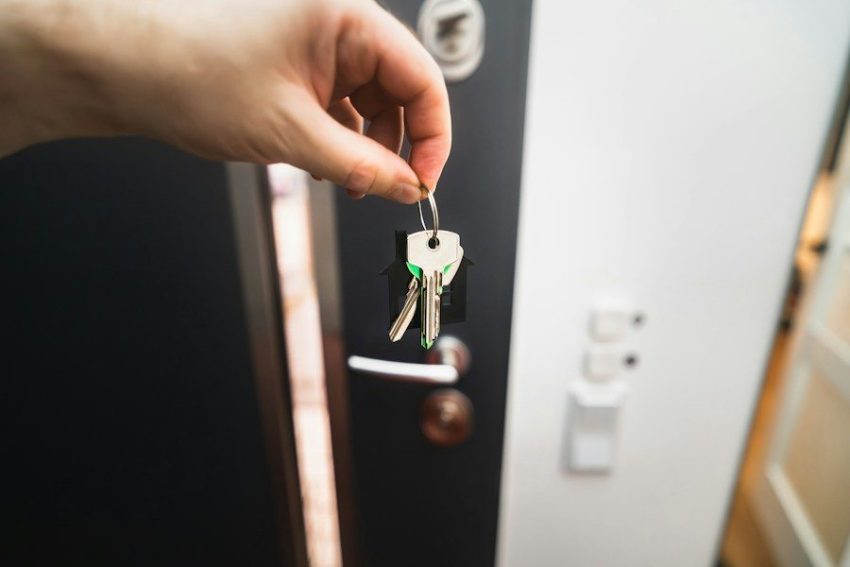
Think of this as a practical new home setup checklist before you start choosing where artwork, rugs and decorative pieces will go. If the move is still being wrapped up, getting the larger pieces into the right rooms can make the rest of the setup much easier. Residential moving services can include furniture placement and move-in support, which helps you get the basic layout working before unpacking smaller items or thinking about décor.
1. Check Utilities and Essential Services
Make sure the basics are working before you start settling into the rooms.
Check electricity, water, heating or cooling, and any appliances included with the property. If an essential service has not been activated yet, sort it out before unpacking gets too far.
Problems are easier to investigate while the home is still relatively open and access to panels, appliances and utility areas is clear.
2. Confirm Locks and Entry Access
Check exterior door locks, garage access, building entry systems, keys and any access devices provided with the property.
Homeowners may choose to rekey or replace locks after taking possession. Renters should confirm that all supplied keys, fobs or entry codes work as expected.
Access problems are easier to sort out before move-in traffic increases and multiple people are relying on the same doors or entry points.
3. Test Smoke and Carbon Monoxide Detectors
Test the smoke and carbon monoxide detectors as part of the first safety check in the home.
Replace batteries where needed and make sure each device is working properly. Deal with any missing or damaged detectors before the rooms are fully set up and attention shifts to unpacking and decorating.
4. Find the Main Shut-Offs and Electrical Panel
Locate the main water shut-off, electrical panel and any relevant heating or fuel controls.
Check that breaker labels are understandable and keep those areas clear.
Knowing where the controls are is useful long before an emergency. It is easier to confirm access now than after shelving, storage or furniture has been placed nearby.
5. Check Walls, Floors and Fixtures
Inspect the home before boxes, rugs and furniture start covering the surfaces.
This is also a good time to clean floors, shelves, cabinets and other areas that will become harder to reach once furniture is in place. Look for wall damage, flooring issues, loose fixtures or anything that may need repair. Renters should also photograph existing conditions during the move-in inspection for their records.
Repairs are easier to plan before artwork, shelving and heavy furniture are in place. An early check also helps you avoid decorating around a problem that still needs attention.
6. Decide How Each Room Will Be Used
Decide what each room needs to do before opening every box.
A spare bedroom may need to double as an office, while a basement may need to stay flexible for storage or future use. Those decisions should guide where the largest pieces go first.
Beds, sofas, dining tables and storage units affect walkways, usable wall space and how the rest of the room comes together.
Before settling on a furniture layout, walk the main routes through the room. Check whether doors can open fully, whether people can move comfortably between pieces, and whether frequently used outlets, vents and windows remain accessible.
The right layout is not simply the one that fits the furniture. It is the one that still works once people begin using the room every day.
If you’re still deciding where larger pieces should go, these furniture arrangement ideas can help you think through movement, spacing and how each room will actually be used.
Planning the room before unpacking everything reduces the chances of moving the same furniture and boxes twice.
7. Assemble the Furniture You Need First
Start with the pieces that make the home usable.
Beds, basic seating, a dining surface and essential storage usually deserve priority. Larger items should be assembled and positioned before smaller furniture and décor begin filling the room.
Even when a piece fits, it can still make the room awkward to use by blocking a doorway, narrowing a walkway or crowding nearby furniture.
Get the essential furniture working first. Style can follow once the room functions properly.
If professional help is part of the move, residential moving services can also include furniture placement and setup support at the new home.
8. Unpack the Kitchen and Bathroom Essentials First
You do not need to unpack every kitchen and bathroom box on the first day. Households using a full packing and unpacking service may also have help opening boxes and setting up belongings after delivery.
Set up enough of the kitchen for simple meals, including basic cookware, dishes, utensils and cleaning supplies. In the bathroom, keep towels, toiletries and daily essentials within easy reach.
A home can stay partly unpacked without feeling chaotic when the spaces you use most are already functional.
9. Set Up Internet, Work and Charging Areas
Think about technology before desks, beds and storage pieces settle into place.
Decide where the router should go, where computers will be used and which outlets need to stay accessible for everyday charging. Check Wi-Fi coverage and wired connections where they matter.
Outlet access is easy to overlook until a desk, bed or cabinet is already against the wall.
10. Plan Lighting Before Decorating
Check existing fixtures and switches before finalizing the room layout.
Think about where floor or table lamps may be needed and whether the current arrangement gives those areas enough light.
During the day, the room may look well arranged, but the lighting can feel very different at night. Rooms with limited natural light may need a more deliberate mix of fixtures. A Crafted Passion also has useful ideas for brightening low-light rooms through layered lighting and thoughtful design choices.
A reading chair, desk or bedside table may need to shift once you see how the space works after dark.
Give the Home Time to Work Before You Decorate It
A new home does not need to look finished on day one.
Get the essentials working, give the rooms a clear purpose and live with the layout long enough to notice what works before committing to décor.
Using the home for a few days can reveal more than a floor plan. Once the space works well for everyday life, decorating becomes easier because you are building on decisions that have already proved useful.