
Some backyards are simple patches of grass or empty earth with nothing really more to them. They serve little to no purpose.
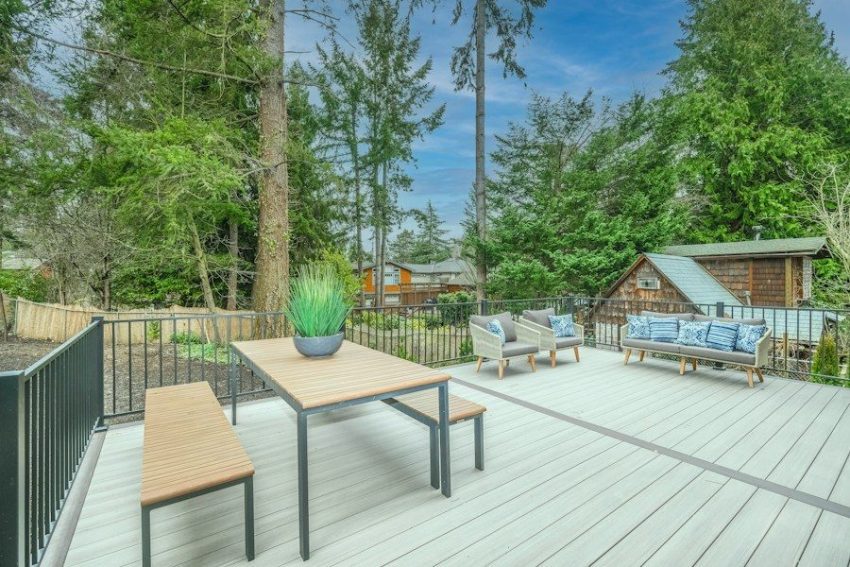
But that doesn’t have to stay the case. With some planning, they can become not only a new place where people can relax while enjoying meals, entertaining guests and friends, but also extensions of a home. Backyards are our own little outdoors right there a few steps away, and outdoors with as much potential as we decide to give to them. If you have a great outdoor space, it usually comes with knowing how the area will be used and for what purpose; knowing that helps us choose improvements and plan out what we will do.
There are a lot of options here, all the way from comfortable seating and shade to a well-designed deck and well-placed lighting that highlights the entire area into one uniform structure.
These backyards don’t have to be overly complicated or require too much technical knowledge or even cost a lot to be effective.
Plan Ahead
Before any changes are made, first think about what you ACTUALLY want to do in the backyard
This is very important and people sometimes go backwards about this by first building the outdoors and then thinking about what they can do in it.
What is its purpose? What will it be used for?
A quick example:
Someone who enjoys hosting a lot of gatherings with friends may want to prioritize a large dining area and plenty of seating. Another person who, for example, wants a quieter place for relaxation while doing such activities as reading or drinking coffee may focus more on aesthetic factors such as a garden and a quiet, cozy reading area under a roof.
But families, on the other hand, need a lot of space. For children (where they can play), for other friends with children, family gatherings, etc.
Here it’s more about deciding what your priorities are.
Just that decision alone will already give you direction on where to go.
Create a Comfortable Outdoor Living Area
Another good trick is to create a defined outdoor living area.
Something like a deck or patio; those can provide a stable surface for furniture and can also create a seemingly natural transition when it comes to the house and the yard, as a well-planned deck can accommodate outdoor furniture, dining tables, grills, and other features without making it all feel too crowded.
Homeowners who could use some professional help may look up businesses dedicated to making custom decks, patios, outdoor kitchens, and so on, depending on the city or state. And it’s mostly because how these types of outdoor structures are built and designed will largely depend on the state they’re built in (because of the weather and seasons, mainly).
If you’re in the state of New York and you hired Keystone Custom Decks NY to build a porch/deck/patio for you, they’d recommend building it to withstand snow and freeze/thaw cycles, the wet weather during autumn and spring – all of which would dictate which materials and insulation are being used.
But if you asked them to build a deck for your house in Arizona, they’d advise you differently.
The priority here would be a design (and materials) that handle high temperatures and constant (scorching) sun, so that you can actually sit on the deck without the sun getting into your eyes constantly and you being unable to withstand the heat. Sun-shading features would be very popular in AZ (e.g., awnings, shade sails, pergolas, covered roofs, canopies, shaded windows (with UV blocking technology), shade screens, curtains, etc.).
Add Shade and Protection From the Weather
When it comes to outdoor spaces, they tend to be more enjoyable when they can be used during various weather conditions. Various weather affects outdoor enjoyment.
For example, direct sunlight can make a seating area uncomfortable. Rain can interrupt any outdoor gathering, prompting everyone to go inside if there is no place to hide outdoors.
Pergolas, covered decks, retractable shades, umbrellas, and strategically placed trees can provide protection from the elements.
What is the right choice? It depends on the design and what the homeowner is aiming for.
In short, it is a matter of preference, and it should be, as after all it is the homeowner who decides what they want with their outdoors.
Make Proper Use of Lighting
Lighting is essential for both practical and aesthetic reasons.
Pathway lighting can make walkways easier to use, especially after dark. Lights around stairs and deck edges improve visibility. String lights, wall fixtures, lanterns, and subtle landscape lighting can add to the atmosphere when gatherings are organized.
The lighting doesn’t have to be too bright; most of the time it’s the combination of softer lights that creates that warm and welcoming feeling while also having enough light to allow for easier and safe movement.
Use Landscaping to Bridge It All Together
If the backyard just has open grass, it can look disconnected from the rest of the yard.
Landscaping is something that can help bridge the outdoors and the rest of the property by adding flower beds, shrubs, trees, planters, and other greenery. Those elements can also give the place color and texture, making it look much more appealing. Not only that, but plants can create or give an area a sense of privacy.
However, it is good to note that trees and large plants need enough space to grow without interfering with decks, roofs, siding, or other parts of the home.
Conclusion
In the end, it is about creating something you can be proud of and something that you will enjoy. Backyards can enrich your property without a lot of time or finances.
Whether it’s hosting summer dinners, relaxing with family, cooking outdoors, or just relaxing in the open air, thoughtful planning can transform a backyard into a valuable part of the home.