
A well-maintained yard can take months of planning, planting, watering, and regular care. Yet much of the work involved in keeping a landscape healthy happens above ground, while one of the most disruptive problems can develop underneath it. Gophers spend most of their lives below the soil, creating interconnected tunnels as they search for food, establish living areas, and move through their territory. Their underground activity can affect everything from a small vegetable garden to a newly installed lawn or extensive landscaping project.
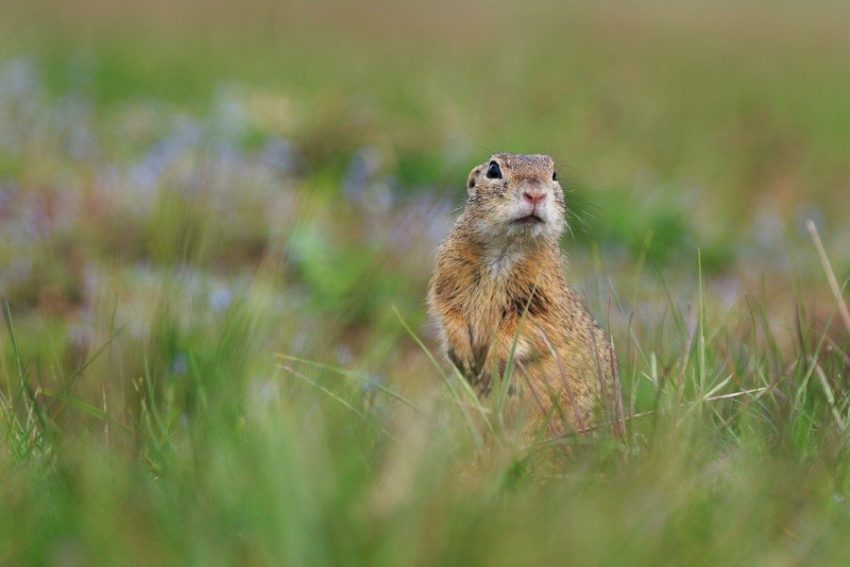
The difficulty is that gopher damage is not always immediately visible. A plant may begin to decline without an obvious cause, a section of soil may become uneven, or a fresh mound may suddenly appear in an otherwise tidy lawn. By recognizing these signs and understanding how gophers behave throughout the year, homeowners can identify potential problems earlier and make better decisions about protecting vulnerable areas of the yard.
Why Gophers Remain Active Beyond a Single Season
Gophers are adapted to living underground, which allows them to remain active despite many changes in surface conditions. They generally do not enter a long winter dormancy. Instead, they continue maintaining tunnels, searching for food, and expanding or modifying portions of their burrow systems as needed. Because their activities take place beneath the surface, homeowners may notice changes in visible activity without realizing that the animal itself remains nearby.
So, are gophers active year round? For practical yard maintenance, the answer is yes. Activity can continue during every season, although the amount of visible digging may vary depending on soil moisture, temperature, vegetation, and irrigation. Periods of rainfall can make freshly excavated soil easier to notice, while irrigation can maintain favorable soil conditions during dry weather.
Seasonal changes can also affect the plants available to gophers. A garden may offer different roots, bulbs, or other food sources at different times of year. This means a property that appears quiet for several weeks should not automatically be considered free of gopher activity. Continued monitoring is useful even after visible signs become less frequent.
Understanding this pattern changes how homeowners approach prevention. Rather than treating gopher damage as a problem limited to a particular season, it makes more sense to consider the entire yard as an environment that may require occasional inspection throughout the year.
How Burrowing Can Damage Lawns and Garden Plants
The most obvious effects of gopher activity are often associated with their mounds, but the greater concern can be what is happening underneath them. Gophers dig extensive tunnel networks through the soil and may feed on roots, bulbs, tubers, and other plant material. Their movements can disturb the root zones of lawns, flowers, vegetables, shrubs, and trees.
Root damage can be particularly difficult to diagnose. A plant may initially look normal because its leaves and stems remain intact. As more of the root system becomes damaged, however, the plant may begin to wilt, grow poorly, or show other signs of stress. Homeowners sometimes respond by increasing watering, but additional water will not solve a problem caused by missing or damaged roots.
The soil removed during excavation is pushed toward the surface, creating mounds that can interfere with normal lawn care. A collection of new mounds may make mowing more difficult, create uneven walking surfaces, and leave loose soil across planting areas. In a garden bed, freshly excavated soil can cover small plants or disturb carefully positioned seedlings.
Gopher activity can be especially frustrating after a landscaping project. New shrubs, trees, flower beds, and lawns often require careful preparation before they become established. If tunneling begins beneath these areas, the resulting root disturbance can undermine the work that has already been completed.
Protecting Irrigation Systems From Underground Damage
Modern gardens often depend on irrigation systems, and these can be vulnerable to underground pest activity. Gophers may damage flexible irrigation tubing as they dig or gnaw through certain materials. A small puncture can allow water to escape beneath the soil, making the source of the problem difficult to identify.
Unexpected changes in water distribution can provide an early warning. One area of a garden may remain unusually wet while another becomes dry even though the irrigation schedule has not changed. Water pressure may also appear different in a particular zone. If these symptoms occur alongside fresh gopher mounds, it is worth inspecting the irrigation system rather than assuming that the plants simply need more water.
Homeowners can perform a basic check by running each irrigation zone separately and observing how the water behaves. Look for wet patches that appear away from emitters, areas where water disappears unusually quickly, or sections of tubing that no longer deliver water as expected. Small leaks can sometimes be located by following unusually damp soil.
Protection should also be considered when installing new irrigation. Keeping vulnerable lines appropriately positioned and inspecting them periodically can make it easier to identify damage before a large amount of water is wasted. In areas with persistent gopher activity, landscape planning may also include physical barriers around particularly vulnerable planting zones.
Identifying Fresh Mounds and Active Burrows
Fresh soil is one of the most useful clues when determining whether gopher activity is continuing. Gopher mounds are typically made from soil excavated from underground tunnels. New mounds generally look loose and freshly disturbed, while older ones gradually settle, dry out, and become less distinct.
A homeowner does not need to locate the entire tunnel network to begin monitoring. Instead, the focus can be on changes over time. Photographing or marking the location of existing mounds can make it easier to determine whether new excavation has occurred. If freshly disturbed soil repeatedly appears after old mounds have been cleared, the area may contain an active burrow system.
Plants can provide another useful indication. A previously healthy plant that suddenly wilts or declines should be inspected, particularly if watering and other growing conditions appear normal. In some cases, checking the soil around the root zone can reveal signs of disturbance.
Sinking or uneven soil may also deserve attention, especially when it occurs near fresh mounds. However, soil settlement has several possible causes, so it should not automatically be attributed to gophers. The strongest indication usually comes from several signs appearing together, such as new mounds, damaged plants, disturbed soil, and irrigation problems.
DIY-Friendly Ways to Monitor and Protect a Yard
Regular monitoring is one of the simplest ways to limit the effects of an underground pest problem. A short inspection every week or two can reveal changes that might otherwise go unnoticed. Homeowners can walk through lawns and planting beds, check recently planted vegetation, and compare new soil disturbances with previous observations.
A few practical measures can help protect vulnerable areas:
- Mark fresh mounds and check whether new ones appear nearby.
- Inspect plants that wilt despite receiving appropriate irrigation.
- Run irrigation zones and look for unexplained wet areas or weak water delivery.
- Check newly installed garden beds for signs of tunneling before adding more plants.
- Consider suitable underground mesh or wire barriers for valuable plants and raised beds.
Physical exclusion can be useful when protecting a specific planting area. For example, an appropriately installed wire barrier beneath a raised garden bed can prevent gophers from reaching the plants from below. Individual shrubs or young trees can also be protected with suitable underground baskets or barriers.
The details of installation matter. Barriers need to be deep and secure enough to reduce the possibility of animals simply digging underneath or around them. Materials should also be appropriate for long-term contact with soil and compatible with the particular gardening application.
These measures are most useful when combined with observation. A barrier around one garden bed does not necessarily address gopher activity elsewhere in the property. Monitoring the surrounding lawn and planting areas can reveal whether the problem is isolated or part of a larger burrow system.
Planning New Landscaping With Gophers in Mind
Gopher activity is worth considering before starting a major landscaping project. A homeowner preparing a new lawn, vegetable garden, flower bed, or tree planting area can inspect the site first for fresh mounds and other evidence of underground activity. Doing so can make it easier to incorporate protective measures during construction rather than attempting to correct damage later.
Raised beds are one example where prevention can be built directly into the design. Installing suitable mesh beneath the planting area can help protect roots from animals approaching from below. Young trees and shrubs may also benefit from appropriate root protection when they are planted.
Irrigation planning deserves similar attention. After installation, each zone should be tested to confirm that water reaches the intended locations. If the system later develops unexplained leaks or changes in performance, the surrounding soil should be inspected for signs of tunneling.
Plant selection alone should not be treated as a complete solution. Gophers consume a variety of plant material, so choosing supposedly resistant plants does not guarantee that a garden will remain untouched. Physical protection, site monitoring, and sensible landscape planning provide a more practical approach.
The same principle applies to larger landscaping features. Paths, lawns, planting borders, and other improvements depend on reasonably stable soil conditions. If extensive tunneling is occurring beneath a property, understanding the underground situation before investing in new features can help prevent avoidable maintenance problems.
Final Analysis
Gophers can affect far more than the appearance of a lawn. Their underground tunnel systems can disturb plant roots, create soil mounds, interfere with garden beds, damage irrigation lines, and complicate newly completed landscaping projects. Because they can remain active throughout the year, homeowners benefit from treating gopher monitoring as an ongoing part of yard maintenance rather than a seasonal chore.
Fresh mounds are often the easiest starting point for identifying activity, but they should be considered alongside other signs. Wilting plants, unexplained irrigation problems, disturbed soil, and repeated excavation can provide a clearer picture when they occur together.
Early observation gives homeowners more opportunities to protect valuable areas before damage becomes extensive. Simple habits such as checking for new mounds, inspecting irrigation, watching plant health, and using appropriate barriers around vulnerable planting areas can help keep landscaping projects in better condition throughout the year.