
You hire top-tier architectural talent, invest in advanced design software, and secure lucrative contracts. Yet, your team routinely spends hours every week staring at loading screens, dealing with corrupted central models, or waiting for a generic helpdesk ticket to be resolved. When technology bottlenecks dictate how fast your team can work, your IT infrastructure is actively suppressing your business potential.
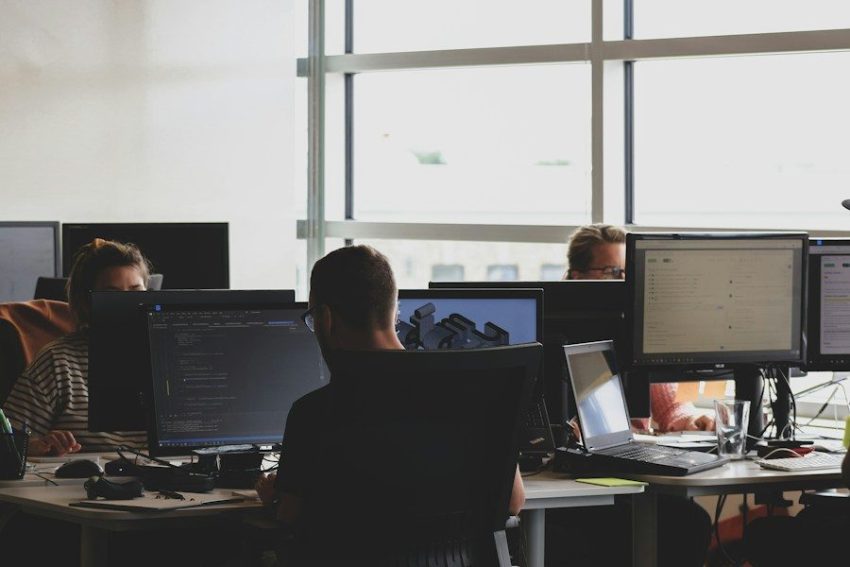
Business leaders often view technology support as a necessary background expense rather than a primary growth driver. Treating infrastructure as a passive afterthought is incredibly costly. Organizations failing to synchronize their digital infrastructure with their core operations experience significant operational drag, effectively capping their revenue potential and market adaptability. For design professionals, relying on emergency troubleshooting and waiting for systems to fail before addressing them means accepting missed deadlines and compromised profitability as a normal cost of doing business.
The Problem With Generic IT Solutions
Generic IT providers operate on a volume model. They treat a local accounting office, a retail chain, and a design studio exactly the same. However, the technological demands of a modern design studio are exceptionally complex.
Standard tech support teams rarely understand the computing power required to manage massive Building Information Modeling (BIM) files or the specific network configurations needed to keep Revit running smoothly across multiple workstations. When an IT provider does not understand the software your team uses daily, every support ticket becomes a prolonged translation exercise.
Moving away from generic helpdesks and upgrading your architecture firm’s tech support to a specialized, proactive model changes the entire dynamic of your daily operations. A specialized partner anticipates rendering bottlenecks and network latency before they crash a critical project.
How Latency Kills Project Profitability
In the architectural world, time is billed in fractions of an hour. When a centralized server sync takes twenty minutes instead of twenty seconds, that lost time multiplies across every designer working on the project.
These micro-delays add up quickly. If five architects each lose thirty minutes a day to slow file loads, unexpected software crashes, or printing errors, your firm loses dozens of billable hours every single week. This latency is rarely caused by a single broken computer. It is usually the result of poorly optimized network architecture, outdated hardware refresh cycles, or improperly configured cloud storage.
Specialized technology management focuses on workflow optimization. By analyzing how data moves through your office, a dedicated IT team can implement high-speed storage solutions and localized caching that keep your designers working continuously, completely eliminating the costly drag of server latency.
Securing Remote Collaboration and Field Access
Modern architecture is not confined to a desktop computer in a central office. Principals travel to client meetings, project managers work from active construction sites, and specialized drafters often work remotely. This distributed workflow requires a technology infrastructure that is both highly accessible and strictly secure.
Opening up your servers so an architect can access a CAD file from a tablet on a job site introduces significant security vulnerabilities if not managed correctly. Generic IT solutions often rely on clunky virtual private networks that slow down file transfers to a crawl, frustrating field teams and delaying client presentations.
A strategic technology partner builds secure, encrypted access pathways designed specifically for heavy media files. This allows your field teams to pull up complex 3D models in front of a client instantly, without compromising the security of your proprietary firm data or violating client confidentiality agreements.
Moving Beyond Emergency IT Interventions
The biggest difference between generic tech support and a true technology partner is their horizon line. A standard helpdesk only looks at the problem directly in front of them. They restore a frozen server or reset a password, and then they wait for the next crisis to occur.
Growth-oriented technology management relies on strategic roadmapping. This involves planning out your hardware and software needs twelve to thirty-six months in advance. A dedicated team will audit your current workstations and identify exactly when your graphics cards will become obsolete based on the upcoming software requirements of your primary design tools.
This level of planning turns technology from unpredictable capital expenditures into smooth, manageable operational costs. You never have to guess when a server will need replacing because the upgrade was mapped out and budgeted for two years in advance.
Building a Foundation for Scalability
Your firm exists to design strong, enduring foundations for your clients. You must demand that same level of structural integrity from your internal operations.
If your current technology support system requires your staff to constantly submit tickets for the same recurring software errors, your growth is being artificially restricted. Reclaiming your billable hours requires abandoning emergency-driven maintenance routines. By aligning your infrastructure with a team that deeply understands the unique demands of the architectural industry, you remove the operational friction holding your firm back and create a clear, unimpeded runway for long-term growth.