
A basic rental with six normal windows does not need the same setup as a Paradise Valley home with twelve-foot glass doors. That sounds obvious, but window treatments are often bought as one large package. The same blind goes into every room because it is cheaper and easier to order.
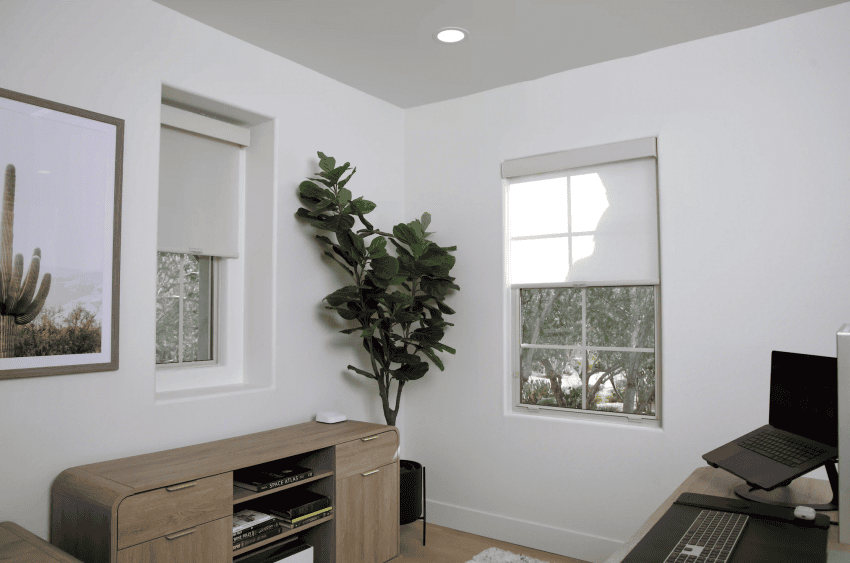
Sometimes that works. Sometimes it leaves a wide living-room window with a heavy blind nobody wants to pull. In other homes, an expensive motorized system ends up on a small laundry-room window where it adds little value.
For most standard rentals, manual blinds still make sense. Motorized shades become more useful when the windows are large, difficult to reach, or part of a premium rental experience.
Manual Blinds Are Still the Practical Default
Manual blinds are familiar. Tenants know how to open them, cleaners know how to wipe them, and property managers can spot damage during an inspection.
They also cost less to replace. That matters after a rough turnover, when several slats are bent, and the unit needs to be ready by Friday. A local store may carry a basic replacement, while a custom motorized shade usually takes more planning.
Standard bedrooms, bathrooms, and smaller side windows rarely need anything complicated. A decent cordless blind can give privacy, control light, and survive normal use without adding another remote or battery.
The word decent matters here. Very cheap blinds often become false savings. Thin slats bend during cleaning. Weak brackets pull away from the frame. Long blinds can sag or tilt unevenly after regular use.
Replacing the same low-cost blind every two years is not much of a bargain.
Large Windows Change the Calculation
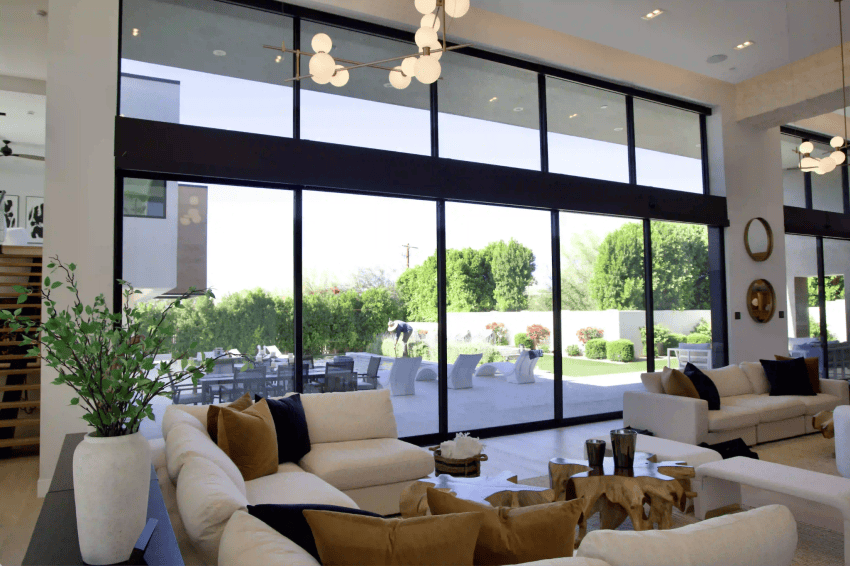
A manual blind is easy to use on a normal bedroom window. It feels very different across a wide glass door or a tall living room opening.
The treatment becomes heavier. Reaching the control may require moving furniture. On very tall windows, tenants may stop using it altogether. The shade stays open, even when the afternoon sun makes the room uncomfortable.
That problem is common in newer Arizona homes. Large windows bring in mountain views and make rooms feel open, but west-facing glass can become difficult late in the day. The floor near the window warms up. Glare lands on televisions and laptops. Fabrics near the glass take more sun.
For landlords considering motorized shades in Paradise Valley, AZ, the strongest reason is usually not novelty. It is easier to control windows that are awkward to manage by hand.
Several shades on one wall also need to line up properly. If one stops lower than the others, the mistake is easy to see. Large openings make poor measuring and rushed installation much more obvious.
Motorization Comes With More Small Jobs
Motorized shades remove daily effort, but they create a few maintenance details of their own.
Battery systems need fresh batteries. Rechargeable systems need a reachable charging point. Wired shades avoid that problem, though wiring is much easier during construction than after the room is finished.
Remotes disappear. Tenants move them to another room or pack them by mistake. Apps may need to be reset between leases. A new manager may not know which button controls which group of windows.
None of this makes motorized shades a bad choice. It simply means landlords should plan for ownership after installation.
The Rent Level Matters More Than the Product Brochure
A tenant in a modest apartment usually wants clean, working blinds and decent privacy. Motorization will not make up for old flooring, weak cooling, or a dated kitchen.
In a luxury rental, expectations change. Tenants may already be comparing smart locks, lighting systems, pool features, appliances, and outdoor space. Smooth window controls can fit that level of finish, especially in the main living room or primary bedroom.
Furnished rentals can benefit too. Guests may not stay long enough to learn several awkward controls. One clear remote can make a large room easier to use from the first night.
That does not mean every window needs a motor. A mixed setup often works better. Use motorized shades on the large openings that tenants will adjust every day. Keep manual blinds in guest rooms, storage areas, and smaller windows.
Arizona Sun Makes Some Windows Worth More Attention
Not every window creates the same problem. A small north-facing window may need little more than privacy. A west-facing wall of glass can affect the whole room by late afternoon.
Landlords should visit the property when the sun is strongest, not only during a morning inspection. Sit where a tenant would sit. Check the television, desk, dining table, and floor near the glass.
The fabric matters as much as the control method. A motor does not fix a poor material choice. Some fabrics cut glare while keeping the view. Properly selected shades can also manage heat gain through windows, especially when they are closed during the strongest sun.
A light material can also look very different once it covers a large area. Samples should be held at the actual window, preferably during the brightest part of the day.
Manual Does Not Have to Mean Cheap
A well-made manual blind can be a better rental investment than a low-quality motorized shade. Strong hardware, clean installation, and easy replacement often matter more than extra features.
Cordless controls are usually simpler for tenants. They are also the safer option in rentals where children may live or visit, according to federal guidance on cordless window coverings.
The same common-sense test applies to both options. Open the treatment several times. Check how it moves. Look for gaps. Make sure the brackets feel solid. Stand outside after dark and see how much privacy it really gives.
Product photos do not show those details.
Where Each Option Usually Fits Best
Manual blinds make the most sense in standard rentals with normal-sized windows. They are also useful where repair cost and quick replacement matter more than premium features.
Motorized shades are easier to justify in luxury homes, furnished rentals, and rooms with wide or tall glass. They also make sense where strong afternoon sun means the shades need to move every day.
The landlord does not need to choose one system for the whole property. That is often where budgets get wasted. A better plan looks at each window on its own.
Spend more where the size, sun, or tenant experience supports it. Keep the simpler option where it already does the job well.
The Window Should Decide
Manual blinds win on cost, simple repairs, and familiar use. Motorized shades win when the window is large, difficult, or important to the feel of a premium room.
Neither option is automatically better. The wrong manual blind can become a daily annoyance. The wrong motorized shade can become an expensive feature nobody needed.
The useful question is not which product sounds better. It is the windows that actually justify the upgrade.