
Not every exterior problem is an emergency. A faded patch of siding can usually wait. A small cosmetic crack in trim probably can too. Water getting under the roof is different. That is where timing starts to matter.
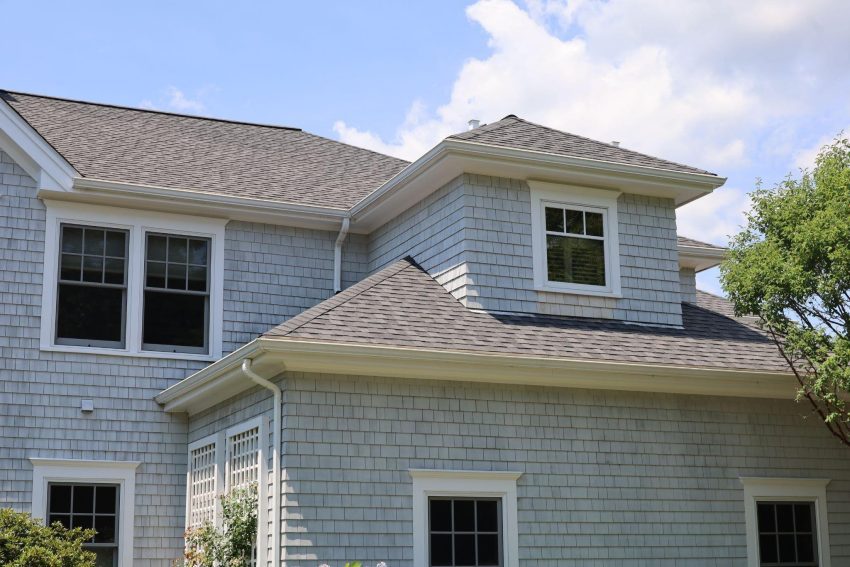
Before calling Cape Cod roofers, most homeowners want to know one thing: can this make it until spring? Sometimes, yes.
Repairs That Should Happen Immediately
Start with active leaks.
If water is entering the house, that repair belongs at the top of the list.
Not next month. Not “when the weather improves.”
As soon as it can safely be handled.
Roof leaks have a bad habit of looking smaller from inside than they really are. One stain on a ceiling may be the visible end of water that has already traveled across decking, framing, or insulation.
Missing shingles can also become urgent, especially if the underlayment is exposed.
One missing shingle does not mean the roof is about to fail.
Still, there is now less protection in that spot, and wind-driven rain does not need much encouragement.
Loose or damaged flashing deserves the same attention.
Flashing sits around chimneys, vents, skylights, walls, and other places where the roof surface changes. Those joints are already vulnerable by design.
When flashing lifts or separates, water gets an easier route underneath.
Sagging gutters can be urgent too if they are spilling water directly against fascia, siding, or the foundation.
Same for a downspout that has disconnected and now empties beside the house.
Then there is siding damage.
A small dent in vinyl? Probably not an emergency.
A hole, missing section, or rotten area where the weather barrier is exposed? Different story.
The easiest rule is this: if water can get behind it, do not ignore it for long.
Repairs You Can Usually Schedule Later
Some exterior issues look worse than they are.
Faded siding is a good example.
It may bother you every time you pull into the driveway, but fading alone is generally cosmetic.
Same with minor staining, as long as you know it is surface staining and not evidence of ongoing moisture.
Small chips in paint can often wait a little too, although exposed wood should not be left indefinitely.
Minor gutter dents are another job that may be scheduled rather than rushed, provided the gutter still drains correctly and does not leak.
The same applies to a slightly loose piece of trim that is not exposing anything underneath.
Roof discoloration often falls into this category as well.
And moss sits somewhere in the middle.
A tiny amount is not generally an emergency.
Heavy moss that is lifting shingles deserves much more attention.
Why Water Is the Biggest Threat
Most exterior repair decisions become easier once you think about water.
Where can it go?
That is usually the real question.
Exterior materials are built in layers. The shingles, siding, trim, flashing, and sealants you see are there partly to keep moisture away from the less weather-resistant materials behind them.
Once water passes that first layer, things get messy.
Wood can rot.
Insulation gets wet and stops doing its job properly.
Fasteners corrode.
Mold may develop.
Drywall stains.
And none of this necessarily happens right where the original problem started.
Water travels.
That is why a ceiling stain can show up several feet from a roof leak.
Freeze-thaw cycles make things worse in colder climates.
Water gets into a small opening, freezes, expands, and makes the opening larger.
Then it happens again.
A tiny gap has now become an actual repair.
Building a Smart Repair Plan
Home repairs have a way of arriving in groups.
The roof needs something.
Two siding boards are damaged.
The gutters are old.
The porch trim needs paint.
Nobody wants to hear that all four need to happen immediately.
Usually, they do not.
Final Thoughts
The goal is not to repair every imperfection the day you notice it. That would be exhausting and expensive.
The goal is to understand what the problem can turn into if you leave it alone. Cosmetic issues can usually wait. Anything that lets water reach the structure deserves much less patience.
FAQs
How urgent is a roof leak?
Very. An active roof leak should be addressed as soon as possible because water can damage roof decking, insulation, framing, and interior finishes even when the visible leak looks small.
Can missing shingles wait?
It depends on the location and what is exposed underneath. A missing shingle should usually be repaired sooner rather than later, especially before heavy rain, snow, or strong winds.
What siding damage needs repair?
Holes, rot, loose sections, open seams, and damage that exposes the weather barrier should be repaired promptly. Minor fading or surface marks are usually less urgent.
Is flashing important?
Very. Flashing protects roof joints around chimneys, vents, skylights, and walls. Loose, cracked, or corroded flashing can allow water beneath otherwise healthy roofing materials.
How do I prioritize repairs?
Start with active leaks and anything exposing the structure to water. Next handle problems likely to worsen with weather. Cosmetic issues usually belong at the bottom of the list.