
Garage Door Material Durability and Lifespan Comparison
Many parts of our homes have a clear expiration date, but the garage door often remains a mystery until a problem arises. Understanding the average lifespan of your garage door is more important than you might think. It’s not just about daily convenience; it directly affects your home’s security, energy efficiency, and long-term value. Knowing when to expect repairs or a full replacement can save you from unexpected costs and major inconveniences down the line.
A garage door is a complex system, with each component — from the main panels to the springs and opener — having its own typical service life. Factors like the material of your door, how often you use it, and even your local climate all play a significant role. In this comprehensive guide, we will delve into these variables, providing insights into the average lifespan of a garage door and its individual parts. For a detailed look at how these factors influence a Door Serv Pro garage door lifespan, we will explore various aspects to help you make informed decisions about your home’s largest moving part.
The material your garage door is made from is one of the most significant determinants of its overall lifespan, maintenance requirements, and aesthetic appeal. From robust steel to natural wood, each option presents a unique set of characteristics that homeowners should consider. When evaluating garage door materials, we look at not just their initial durability but also how they withstand environmental factors and the level of care they demand over time. This includes understanding the nuances of steel gauge, the benefits of insulation, and the specific needs of natural timber.
Our goal is to provide a clear comparison, helping you understand how different materials stack up in terms of longevity and what kind of commitment each requires.
Steel and Insulated Steel Doors
Steel garage doors are by far the most popular choice for homeowners, representing over 70% of residential installations. Their widespread appeal stems from their durability, relatively low maintenance, and versatility. A standard steel garage door can typically last between 20 to 30 years. This impressive longevity is often attributed to the material’s inherent strength and resistance to common wear and tear.
When we consider insulated steel doors, the lifespan can often extend even further, reaching up to 25 to 30 years. The added insulation not only contributes to better energy efficiency by improving the door’s R-value but also adds structural integrity, making the panels more resistant to dents and warping. This enhanced rigidity can protect the door from minor impacts and environmental stressors, contributing to a longer service life. While standard steel offers robust performance, insulated steel provides an even more resilient and energy-efficient solution for many homes.
Wood and Composite Wood Doors
For homeowners prioritizing aesthetic appeal and a classic look, wood garage doors are an excellent choice. Natural timber doors offer unmatched warmth and architectural charm, but they do come with specific maintenance requirements that influence their lifespan. With diligent care, a wood garage door can last anywhere from 15 to 25 years. This longevity, however, is highly dependent on consistent maintenance, which typically involves staining or sealing the wood every two to three years to protect it from moisture, UV rays, and pests. Without this regular upkeep, wood doors are susceptible to warping, rot, and fading, which can significantly shorten their life.
An increasingly popular alternative is the composite wood garage door. These doors are designed to mimic the appearance of natural wood but are constructed from a blend of wood fibers and resins. This composition makes them more resistant to rot, insects, and warping than solid wood, while requiring less intensive maintenance. Composite wood doors typically offer a lifespan of 20 to 25 years, providing a durable, lower-maintenance option for those who desire the look of wood without all the upkeep. They often come at a more accessible cost than their solid wood counterparts, making them a compelling choice for many.
Aluminum and Fiberglass Doors
Aluminum garage doors are particularly well-suited for specific environments, especially coastal regions or areas with high humidity. Their primary advantage is their natural resistance to rust and corrosion, which can be a major issue for other materials in damp, salty air. An aluminum garage door typically lasts between 20 to 25 years. While lightweight and rust-proof, aluminum can be more prone to denting than steel, which might affect its appearance over time if not carefully maintained. However, for those living near the ocean, its corrosion resistance often outweighs this minor drawback.
Fiberglass garage doors offer another option, often chosen for their versatility in design and moderate cost. These doors generally have a lifespan of 15 to 20 years. Fiberglass is also resistant to rust and dents, making it a good choice for some homeowners. However, it’s important to note that fiberglass can become brittle and crack in extreme cold, which might limit its suitability in certain climates. Both aluminum and fiberglass provide durable, lower-maintenance alternatives to wood and steel, each with its own set of advantages depending on the homeowner’s priorities and local environmental conditions.
Material Average Lifespan (Years) Maintenance Level General Cost Factor Standard Steel 20-30 Low Medium Insulated Steel 25-30 Low Medium to High Wood 15-25 High High Composite Wood 20-25 Medium Medium to High Aluminum 20-25 Low Medium Fiberglass 15-20 Low to Medium Medium
Key Factors Influencing the Door Serv Pro Garage Door Lifespan
Beyond the material itself, several external and operational factors critically impact how long your garage door will effectively serve your home. We often overlook these influences until an issue arises, but understanding them proactively can significantly extend the life of your entire system. From the frequency with which we open and close our doors to the environmental conditions they face daily, each element contributes to the overall wear and tear. For a more comprehensive understanding of how these factors play out in real-world scenarios and detailed guidance on maximizing your door’s longevity, we encourage you to explore the extensive resources available on the Door Serv Pro garage door lifespan guide. This resource provides valuable insights into regional considerations and practical advice for homeowners.
Daily Cycle Frequency and Usage Patterns
The number of times your garage door opens and closes each day, known as its “cycle frequency,” is arguably the most significant factor affecting its lifespan, particularly for components like springs and openers. Most standard torsion springs, for instance, are rated for approximately 10,000 cycles. To put this into perspective, if your household uses the garage door an average of three times a day (opening and closing once for each use), that equates to roughly 1,000 cycles per year. At this rate, you would expect your springs to last about 10 years.
However, many households use their garage doors far more frequently. The average U.S. household made about 1,262 vehicle trips in 2022, which can translate to a similar number of garage door cycles annually. For a busy two-car family, cycling the door 8-10 times daily is not uncommon, quickly accumulating around 3,000 cycles per year. This higher usage means that a 10,000-cycle spring could wear out in as little as 3-4 years. Industry standards, such as those from ANSI/DASMA, define these cycle ratings, providing a benchmark for component durability. Understanding your household’s unique usage patterns is crucial for predicting when parts might need attention.
Climate, Humidity, and Road Salt Exposure
Your local climate plays a substantial role in the longevity of your garage door. Extreme weather conditions, such as humid summers, freezing winters, and heavy precipitation, can accelerate wear and tear on various components. In regions with significant freeze-thaw cycles, for example, metal parts like tracks, hinges, and springs can experience expansion and contraction, leading to increased stress and premature fatigue. Moisture, whether from rain, snow, or high humidity, can also lead to rust and corrosion on steel components, even those with protective coatings, if not properly maintained.
Coastal areas present their own unique challenges, as the salty air significantly increases the risk of corrosion for metal hardware and panels. Even materials like steel, known for their durability, can show signs of rust on bottom panel edges years before other failures if exposed to road salt or sea spray. This makes material selection, such as opting for aluminum in coastal zones, particularly important. Thermal stress from direct sunlight can also cause panels to warp or fade over time. Regularly rinsing off road salt in winter and ensuring proper weatherstripping and seals are intact can help mitigate these environmental impacts and extend the door’s life.
Component Lifespan: Springs, Openers, and Moving Hardware
While we often think of the garage door as a single unit, it’s a complex assembly of interconnected parts, each with its own expected lifespan. Understanding the durability of these individual components—from the powerful torsion springs to the electric opener motor and the intricate network of rollers and hinges—is key to predicting maintenance needs and avoiding unexpected breakdowns. Each part contributes to the door’s smooth and safe operation, and the failure of one can compromise the entire system.
Understanding Door Serv Pro Garage Door Lifespan for Springs
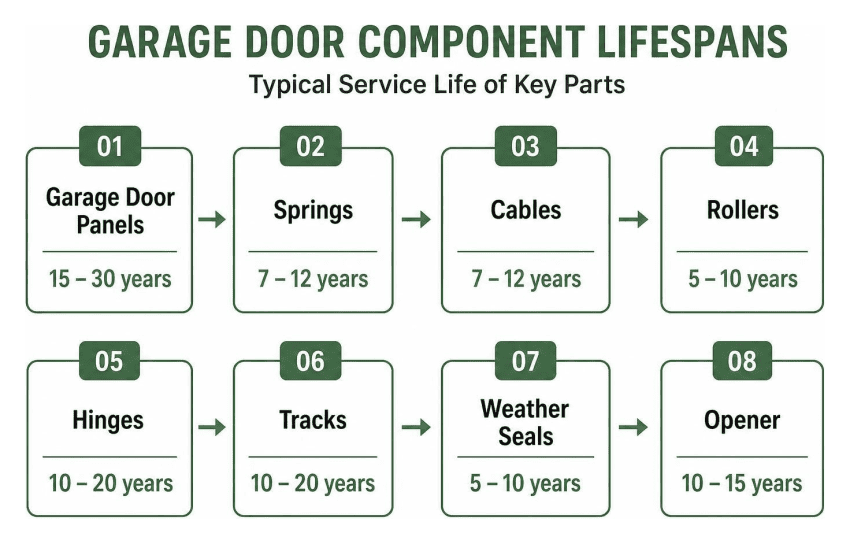
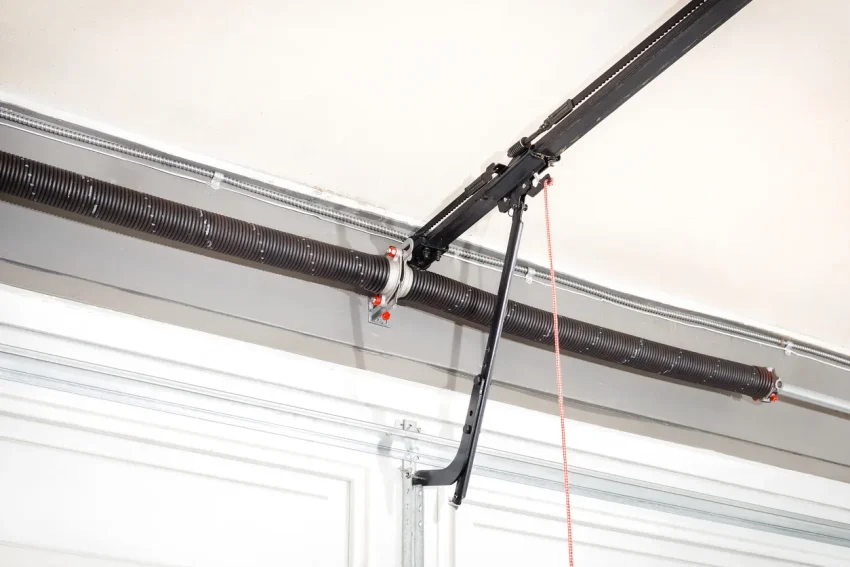
Garage door springs are arguably the most critical components in the system, bearing the immense weight of the door and facilitating its movement. The vast majority of residential garage doors utilize torsion springs, which are typically rated for about 10,000 cycles. As we discussed, for an average U.S. household, this translates to a lifespan of roughly 8 to 14 years. However, for busier families, this could be as short as 7 years.
It’s important to differentiate between the lifespan of the springs and the overall door. Replacing the springs only resets the spring system’s clock; the door panels, tracks, rollers, and opener continue to age independently. Homeowners with high-usage patterns might consider upgrading to high-cycle springs, which can be rated for 25,000 or even 50,000 cycles. These can dramatically extend the interval between spring replacements, potentially lasting 21-37 years or even longer, depending on usage. Regular balance testing is crucial to ensure the springs are correctly tensioned, preventing undue stress on the opener and other hardware.
Garage Door Opener Life Expectancy
The garage door opener, the electric motor that automates the door’s movement, typically has a life expectancy of 10 to 15 years. This figure is often mistakenly attributed to the entire garage door system, leading to confusion. The opener’s longevity depends on several factors, including its quality, the frequency of use, and whether the door itself is properly balanced. An unbalanced door forces the opener to work harder, accelerating wear on its motor and gears.
Modern openers often come with advanced features, including safety sensors that prevent the door from closing on obstructions, and battery backups. While these features enhance safety and convenience, the core motor and gear assembly are still subject to mechanical wear over time. Regular inspection of the opener’s chain or belt, lubrication of moving parts, and ensuring safety sensors are clean and aligned can help maximize its operational life.
Rollers, Hinges, and Weatherstripping
Beyond the major components, a host of smaller, yet vital, parts contribute to the garage door’s overall lifespan and smooth operation. Rollers, which guide the door along its tracks, come in various materials, from plastic to steel with nylon coatings. Plastic rollers tend to wear out fastest, while steel rollers with sealed ball bearings offer greater durability, often lasting 10-15 years or more. Worn rollers can lead to noisy operation and increased friction, putting strain on the entire system.
Hinges connect the door panels and are subject to constant movement. Over time, they can loosen, bend, or rust, especially in humid environments. Regular lubrication and inspection for signs of wear are essential. Weatherstripping, found along the bottom of the door and around its perimeter, seals the garage against elements, pests, and drafts. This material can degrade due to UV exposure, extreme temperatures, and friction, typically needing replacement every 5-10 years. Its integrity is crucial for maintaining energy efficiency and protecting the garage interior. The typical failure order often sees springs go first, followed by rollers and hinges around the 10-15 year mark, and then cables and seals.
When to Repair vs. Replace an Aging Garage Door
Deciding whether to repair an existing garage door or invest in a new one can be a complex decision for homeowners. While repairs might seem like the more economical choice in the short term, an aging door with recurring issues can quickly become a drain on finances and a source of frustration. We need to consider not just the immediate cost but also the long-term value, safety implications, and the door’s overall structural integrity. Sometimes, a series of small repairs can add up to more than the cost of a new, more efficient, and aesthetically pleasing door.
Analyzing Door Serv Pro Garage Door Lifespan Indicators for Replacement
Several clear indicators signal that your garage door might be nearing the end of its useful life and that replacement should be seriously considered. One of the primary signs is age; if your door is over 20 years old, it’s likely operating on borrowed time. Older doors often lack the safety features, insulation, and durability of modern units.
Another key indicator is frequent, recurring repairs. If you find yourself constantly calling for service to address issues like broken springs, misaligned tracks, or malfunctioning openers, the cumulative cost and inconvenience can outweigh the benefits of keeping the old door. Excessive noise during operation, such as grinding, squealing, or loud banging, can point to worn-out components that are beyond simple lubrication.
Material damage also plays a significant role. Sagging panels, warped wood, extensive rust on steel, or large cracks in fiberglass are not just cosmetic issues; they compromise the door’s structural integrity and can lead to safety hazards. Furthermore, an old, uninsulated door can be a major source of energy loss, leading to higher utility bills, especially if your garage is attached to your home. If your door exhibits several of these symptoms, it’s often a strong signal that it’s time for a replacement. Evaluating a door past 18-22 years, before a catastrophic failure, is always a prudent approach.
Routine Maintenance Strategies to Maximize Longevity
Proactive maintenance is the single most effective way to extend the lifespan of your garage door and its components. Just like any other mechanical system in your home, regular care can prevent minor issues from escalating into costly repairs. We recommend a schedule of semi-annual maintenance checks, ideally in the spring and fall, to prepare the door for seasonal changes.
Here is a list of essential maintenance checks:
- Inspect and Lubricate Moving Parts: Apply a silicone-based lubricant to rollers, hinges, and springs. Avoid using WD-40, which can attract dirt and grime.
- Check and Test Safety Sensors: Ensure the photo-eye sensors at the bottom of the tracks are clean, aligned, and functioning correctly. Test the auto-reverse mechanism by placing an object in the door’s path.
- Balance the Door: With the opener disconnected, manually lift the door halfway. If it doesn’t stay put, the springs need adjustment by a professional. A properly balanced door reduces strain on the opener.
- Clean Tracks and Panels: Remove any dirt, debris, or rust from the tracks. Clean door panels to prevent corrosion and maintain appearance.
- Inspect Weatherstripping: Check the bottom seal and perimeter weatherstripping for cracks, tears, or signs of wear, replacing them if necessary to maintain insulation and keep out pests and moisture.
- Tighten Hardware: Periodically check and tighten any loose nuts and bolts on hinges, brackets, and the opener.
Scheduling an annual professional tune-up is also highly recommended. Technicians can perform a comprehensive 29-point inspection, identify worn components like fraying cables or fatigued springs, and make precise adjustments that homeowners might miss. This proactive approach can add five or more years to your garage door’s lifespan, preventing costly emergency repairs and ensuring safe, quiet operation.
Frequently Asked Questions About Garage Door Lifespan
We understand that homeowners have many questions when it comes to the longevity of their garage doors. Here, we address some of the most common inquiries to provide quick, clear answers based on industry insights and practical experience.
How Long Do Garage Door Springs Typically Last?
Garage door springs, particularly torsion springs, are engineered for a specific number of cycles. Most standard springs are rated for approximately 10,000 open-and-close cycles. For an average household that uses their garage door 3-4 times a day, this typically translates to a lifespan of about 7 to 12 years. However, this can vary significantly based on usage frequency and environmental factors. High-cycle springs are available for those who need a longer-lasting solution.
How Do I Know It Is Time to Replace My Garage Door?
Several signs indicate that your garage door may need replacement rather than just a repair. These include the door being over 20 years old, requiring frequent and costly repairs, exhibiting significant material damage such as panel rot, extensive rust, or warping, and operating with excessive noise or mechanical binding. If your door lacks modern safety features or is significantly impacting your home’s energy efficiency, replacement is also a strong consideration.
Does Regular Maintenance Really Extend Garage Door Lifespan?
Absolutely. Regular maintenance is crucial for maximizing your garage door’s lifespan. Proactive care, including annual lubrication of moving parts, balance testing, cleaning tracks, and professional tune-ups, can significantly reduce friction and wear. Industry experts suggest that consistent maintenance can add five or more years to your garage door’s operational life, helping to prevent premature component failure and ensuring safer, more reliable performance.
Conclusion
Understanding the average lifespan of a garage door and the many factors that influence it empowers us as homeowners to make informed decisions. From selecting the right material for our climate and usage patterns to committing to a routine maintenance schedule, every choice contributes to the longevity and performance of this essential home feature. While a well-built steel door might last 20-30 years, and springs typically need replacement around the 7-12 year mark, these are averages, not guarantees.
Proactive upkeep, including regular inspections and professional tune-ups, is not merely a chore but a valuable investment. It extends the life of your door, enhances safety, improves energy efficiency, and ultimately protects your home’s value. By paying attention to the unique needs of your garage door and its components, you can ensure it continues to operate smoothly, reliably, and safely for many years to come.