
Key Takeaways
- Lime wash is a layered decorative finish, not simply a replacement for ordinary interior paint.
- Surface condition and material compatibility are essential, especially on older plaster, masonry, repaired walls, and previously painted surfaces.
- Goldstein & Horowitz describes its process as careful preparation followed by hand application of multiple lime wash layers.
- The finish can complement both traditional and modern interiors when its natural variation suits the design goal.
- A strong project request includes photos, wall details, room use, color direction, access needs, and preferred timing.
New York City property owners often want walls that feel warmer, softer, and more dimensional than conventional paint can provide. For a thoughtfully planned lime washing NYC request, Goldstein & Horowitz offers a craft-focused approach that considers the existing wall, the desired finish, the room’s light, and the practical demands of the space before work begins.
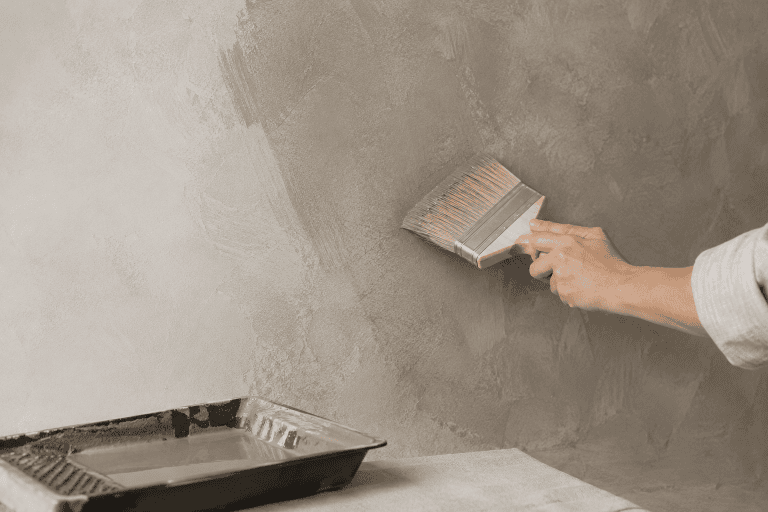
Lime wash is known for a matte appearance, subtle tonal movement, and an aged, mineral-like character. Rather than aiming for a perfectly uniform wall, the finish can bring controlled variation to brownstone rooms, apartment entryways, loft living areas, boutiques, restaurants, and other New York City-inspired interiors.
Why Lime Wash Fits New York City Design Sensibilities
New York City interiors frequently balance old and new. Original plaster, exposed brick, dark woodwork, steel-framed windows, concrete, glass, and contemporary furnishings can all appear within the same property. Lime wash can soften these harder architectural elements by adding depth without relying on shine or a heavy decorative pattern.
It may work well as a full-room treatment in a bedroom, dining room, hall, or living area. It can also be used more selectively on an accent wall in a loft, gallery, retail space, office, restaurant, or hospitality setting. Still, lime wash is not automatically the right answer for every wall. A highly uniform, glossy, or easily scrubbed surface may call for a different finish.
What Makes the Goldstein & Horowitz Approach Different?
Goldstein & Horowitz presents lime washing as a decorative painting service that requires more than choosing a color. The company identifies Charlie Goldstein and Justin Horowitz as the professionals behind its surface-treatment work, using preparation, traditional application tools, and multiple hand-applied layers to shape the final effect.
The objective is not identical coverage from corner to corner. Instead, the team can plan for subtle cloud-like movement or a more pronounced textured appearance that feels intentional within the room. This approach is useful when a client wants a wall finish that relates to furnishings, daylight, trim, brickwork, or the character of a historic-looking New York City space.
How Lime Wash Responds to Wall Surfaces
The wall beneath a lime wash finish matters. Absorbent plaster, masonry, brick, patched areas, drywall, and previously painted surfaces can each affect how color and movement develop. Dust, loose coatings, stains, moisture, and uneven repairs should be addressed before a finish is applied.
Testing a small, inconspicuous area is especially valuable in older properties, where several generations of repairs or coatings may be present. In preservation contexts, limewash has long been used on compatible building surfaces and is associated with a breathable mineral coating. That history does not eliminate the need to assess the specific wall in front of the painter.
What to Expect During a Consultation
- Room and project review: Discuss the wall location, lighting, architecture, furniture, and how the space is used.
- Surface assessment: Identify repairs, existing coatings, visible defects, moisture concerns, and areas that may absorb finish unevenly.
- Color and sample planning: Review tones and create sample areas so the client can see how the finish reads after drying.
- Application planning: Determine protection needs, access, layer count, drying intervals, and the project schedule.
- Final review: Evaluate the completed wall under the room’s actual natural and artificial lighting.
Historic Interiors Need a Careful Approach
Lime wash can be particularly appealing in rooms with plaster, brick, stone, aged millwork, or other traditional materials. In a historic-style New York City interior, the goal may be to preserve visual texture rather than conceal every small irregularity. Cracks, active moisture, loose material, and unstable older coatings should be resolved before decorative work moves forward.
Compatible preparation is more important than following a trend. A finish that looks beautiful on a sample board may require a different primer, repair strategy, or alternative coating when the actual wall is not suitable.
Practical Benefits and Limits
- Potential benefit: Lime wash can create soft depth, a low-sheen surface, and nuanced color variation.
- Important limit: That variation is part of the look, so it may not satisfy a client seeking a completely flat, uniform color field.
- Potential benefit: It can support organic, historic, modern-rustic, and gallery-like design directions.
- Important limit: It is not a substitute for proper wall repair or moisture correction.
- Potential benefit: It can be considered for residential and commercial interiors.
- Important limit: Businesses need a plan for customer access, furniture movement, ventilation, and work hours.
Indoor Air and Material Questions
Before work starts, clients should ask about the exact product, ventilation, odor, drying time, curing conditions, and any household or occupant sensitivities. Paint-related materials can contribute to indoor air concerns, and the EPA notes that ventilation during product use can help reduce exposure to volatile organic compounds. Product labels and manufacturer directions should guide the final plan.
Design Ideas for Different Spaces
Historic and Traditional Rooms
Warm whites, muted earth tones, gentle grays, and softened neutrals can work alongside wood trim, stone fireplaces, and older plaster details. Natural variation can help the wall feel connected to the age and texture of the space.
Modern Apartments and Lofts
Clay, taupe, charcoal, and mineral-inspired shades can temper concrete, glass, metal, and streamlined furniture. An accent wall may offer the desired depth without making a compact apartment feel visually overfinished.
Restaurants, Retail, and Offices
Commercial spaces can use lime wash to add warmth in customer-facing areas. The finish should be coordinated with lighting, signage, flooring, cabinetry, brand colors, cleaning needs, and the operating schedule.
Questions to Include in a Lime Washing Request
- What is the wall made of, and what coating is currently on it?
- Are there patches, stains, cracks, moisture concerns, or loose paint?
- Should the finish be subtle, more textured, or limited to an accent wall?
- What colors, furnishings, and lighting conditions should inform the sample?
- What room access, ventilation, occupancy, and scheduling requirements apply?
- Will the project involve one wall, one room, or a larger residential or commercial scope?
Frequently Asked Questions
Is lime wash the same as regular paint?
No. Conventional paint is generally intended to create a more consistent film, while lime wash is selected for a softer, more visibly varied finish.
Will lime wash hide imperfections?
It may visually soften minor variation, but it does not replace repairs. Surface flaws and moisture issues should be evaluated before application.
Can lime wash work in an older New York City-style property?
It can be a strong design option when the wall is compatible and properly prepared. Older plaster, masonry, repairs, and prior coatings make a professional assessment particularly important.
In Summary
A successful lime wash project begins with the wall itself, then builds toward color, texture, room use, and application planning. Goldstein & Horowitz provides a detailed path for property owners who want a lime wash finish with depth, character, and an intentional connection to the atmosphere of a New York City interior.