
Key Takeaways
- Inspect each window for drafts, condensation, water stains, damaged frames, and difficulty opening or locking.
- Distinguish cosmetic issues from structural damage before deciding whether to repair, restore, or replace a window.
- Check Davenport’s historic preservation requirements before changing windows on older or historically significant properties.
- Choose window styles, glass features, and weather seals based on the home’s design, ventilation needs, and four-season Midwest climate.
- Address drainage, flashing, caulking, and surrounding wall damage to help prevent recurring moisture problems.
- Compare itemized estimates, installation methods, warranties, and repair allowances rather than focusing only on the initial price.
- Plan the project around local approval requirements, seasonal weather, household needs, and the condition of each opening.
Davenport homes experience the full range of Midwest weather, from freezing winter air and driving rain to warm, humid summer days. In an older house, those shifts can expose loose glazing, worn weatherstripping, aging wood, and gaps around frames that may have gone unnoticed for years. A thoughtful window project begins with understanding the condition of the house, not simply selecting a new product. When researching options, Davenport window replacement information from Renewal By Andersen can offer a useful local comparison point. The company’s Davenport service page covers replacement windows and doors for homeowners in Davenport and surrounding Quad Cities communities, with attention to custom measurements, professional installation, and Iowa’s changing climate. As a replacement-window specialist serving both historic and newer local homes, Renewal By Andersen can help homeowners evaluate product and installation considerations, as well as repair or restoration options.
Start With a Room-by-Room Window Check
Walk through the home on a windy, cold, or rainy day if possible. Make notes for every window rather than relying on a general impression of the house. Photograph visible problems from inside and outside, then identify rooms that feel unusually cold, damp, noisy, or difficult to ventilate.
Common warning signs to record
- Cold air or noticeable drafts near the sash or frame.
- Condensation between panes of insulated glass.
- Peeling paint, soft wood, cracked caulk, or loose trim.
- Windows that stick, sag, rattle, or will not lock securely.
- Water stains on the sill, wall, or floor below the opening.
- Glass that visibly moves or rattles during windy weather.
A written list helps establish priorities. A window in a rarely used room with a cosmetic issue may not be as urgent as a bedroom window with water stains or a first-floor unit that no longer locks.
Separate Cosmetic Problems From Structural Problems
Not every aging window requires full replacement. Peeling paint, damaged glazing putty, loose hardware, and minor trim damage can sometimes be repaired when the frame and surrounding opening remain sound. However, soft wood, recurring leaks, mold-like staining, deteriorated framing, or movement around the opening may indicate a larger moisture problem. Before choosing new windows, inspect nearby siding, exterior trim, masonry joints, flashing, gutters, and downspouts. Water can enter above or beside a window and appear at the sill, which means the visible window damage may be only part of the issue. When there are signs of significant rot, damaged brick, or repeated water intrusion, a qualified professional should evaluate the opening and surrounding wall before installation begins.
Consider Historic Character Before Changing Exterior Windows
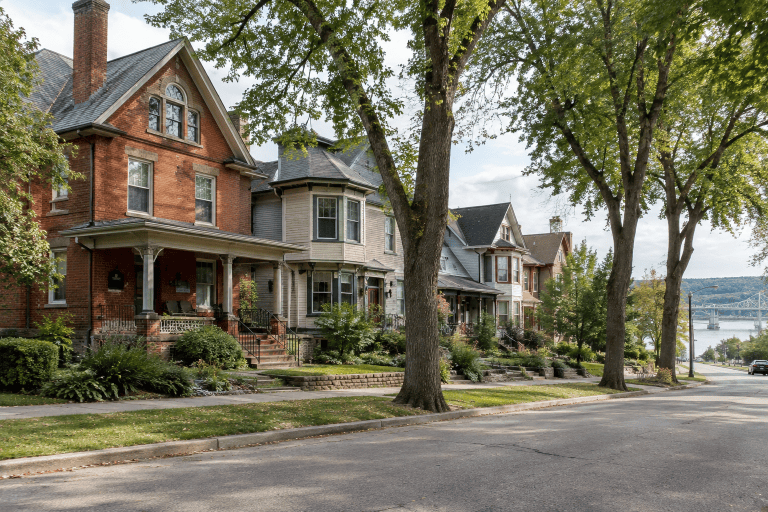
Davenport’s older neighborhoods include homes with distinctive proportions, muntin patterns, trim profiles, and street-facing details. Owners of properties in historic districts or with landmark status should review the city’s historic preservation guidance before making exterior changes. Historic review can be separate from building-code or permit requirements, so it is wise to confirm the process early rather than after materials have been ordered. Save old photographs when available, document existing window details, and note which elevations are visible from the street. In some situations, repairing or restoring original wood windows may better preserve the home’s character. In others, replacement units may be appropriate if their size, profile, grille pattern, and exterior finish respect the architecture.
Choose Features That Fit Davenport’s Four-Season Climate
A window is a system, not just a piece of glass. Insulated glass, low-emissivity coatings, durable weather seals, sound frame construction, and correctly integrated flashing all affect long-term performance. Compare complete unit ratings and installation details rather than focusing on a single feature or a promised utility-bill result.
- Double-hung windows can suit traditional facades and provide flexible ventilation.
- Casement windows use a hinged sash and compression-style seal when closed.
- Picture windows provide daylight and views where ventilation is not needed.
- Sliding windows can be a practical choice for wider openings and straightforward operation.
The right style depends on the opening, the home’s design, the desired airflow, and how the household uses the room. A single style does not have to solve every need throughout the house.
Plan for Moisture, Wind, and River-Region Conditions
Humidity and rain can stress caulk, paint, and wood components, as well as poorly sealed openings, over time. During installation, details such as proper drainage, sill pans where appropriate, flashing, and exterior sealing deserve as much attention as the window itself. Lower-level windows, basement openings, and windows exposed to prevailing weather should be inspected routinely. Weather-resistant materials still need maintenance. Keep weep paths clear where applicable, watch for cracked caulk, and make sure landscaping or exterior features do not trap water against the wall. Good drainage around the property supports the durability of every exterior improvement.
Decide Whether to Repair, Restore, or Replace
- Repair when the frame is stable, and the issue is limited to hardware, weatherstripping, glazing, paint, or minor trim damage.
- Restore when original windows have architectural value and can be made more functional while retaining defining details.
- Replace when there is widespread rot, failed insulated-glass seals, severe air leakage, unsafe glass, or a pattern of repeated repairs.
The lowest initial price is not always the strongest value. Consider expected durability, complete performance information, finish options, installation scope, and parts and labor coverage before making a final choice.
Build a Practical Project Budget
Window budgets vary because openings and site conditions vary. Ask for itemized estimates that distinguish the product from labor and related repairs. Important cost factors can include the number and size of windows, glass package, trim work, removal and disposal, upper-floor access, repairs to framing or siding, and any historic-review requirements. In Davenport’s mix of century-old and newer homes, these factors can differ widely from one street to the next. Ask whether permits, cleanup, protection for floors and landscaping, interior trim, exterior finishing, and follow-up service are included. Clear scope details make estimates easier to compare and reduce surprises if hidden deterioration is discovered after an old unit is removed.
Questions to Ask Before Hiring a Contractor
Davenport contractors should be able to explain how they handle Quad Cities weather, older Iowa construction, and any historic-district expectations.
- Who will measure each opening and complete the installation?
- How will the crew protect furnishings, flooring, landscaping, and original trim?
- What is the process if rot or water damage is found behind the existing window?
- How will water be directed away from the opening?
- Which ratings, warranties, and finish options apply to the selected unit?
- Will the work require a permit or historic-district review?
- Who is responsible for final cleanup and disposal?
Use a Simple Project Timeline
Plan installation around Davenport’s seasonal swings, since work scheduled ahead of a sudden cold snap or the spring storm season is easier to protect and finish.
- Inspect the home and document drafts, moisture, damage, and operation issues.
- Confirm any local review or permit requirements.
- Prioritize active leaks, unsafe units, bedrooms, and frequently used spaces.
- Request detailed proposals from qualified providers.
- Compare materials, installation methods, warranties, and repair allowances.
- Schedule around weather, household routines, and approval deadlines.
- After completion, test locks and operation, inspect trim and seals, and confirm cleanup.
Common Mistakes to Avoid
In Davenport’s mix of historic and newer homes, these missteps are especially common when winter drafts or spring rains expose problems that were easy to postpone.
- Choosing solely by sticker price.
- Replacing a window without addressing water damage around the opening.
- Skipping historic-district research until late in the process.
- Assuming every room needs the same window style.
- Comparing glass features without reviewing the complete window and installation plan.
- Waiting for winter drafts or leaks to become an urgent repair.
Final Thoughts
For Davenport homeowners, successful window work begins with a careful assessment of the entire opening and the surrounding home. Factors such as seasonal weather, moisture exposure, insulation, frame condition, and ventilation can all influence which solution is most appropriate. Older homes may also require special attention to original architectural details, existing materials, and features worth preserving. By considering the historic character, budget, long-term maintenance needs, and installation quality, homeowners can better determine whether repairs, targeted upgrades, or a full replacement makes the most sense. Taking time to compare options, understand product performance, and work with qualified installers can help reduce avoidable problems and support a more durable result. Ultimately, a thoughtful approach can improve indoor comfort while protecting the value and character of an older Iowa home.