
Free time has a way of disappearing. Between work, family, and a to-do list that never gets shorter, the hours that are supposedly yours often go to errands or endless scrolling, and a quiet evening doesn’t always leave you feeling better.
A 2025 scoping review, “Exploring the Impact of Hobbies on Mental Health and Well-Being,” published in Issues in Mental Health Nursing, examined 12 articles from 11 studies. The researchers identified three major themes: depression, anxiety, and stress; quality of life and general well-being; and social interaction and support. They concluded that hobbies can offer relaxation, enjoyment, personal growth, and social connection, and noted that more research is needed across different population groups.
That makes the findings encouraging rather than final, but they point to something worth trying: an interest that is entirely yours. Here are a few hobbies you may not have considered, and none of them need much space or a big budget.
Grow Mushrooms on a Kitchen Shelf
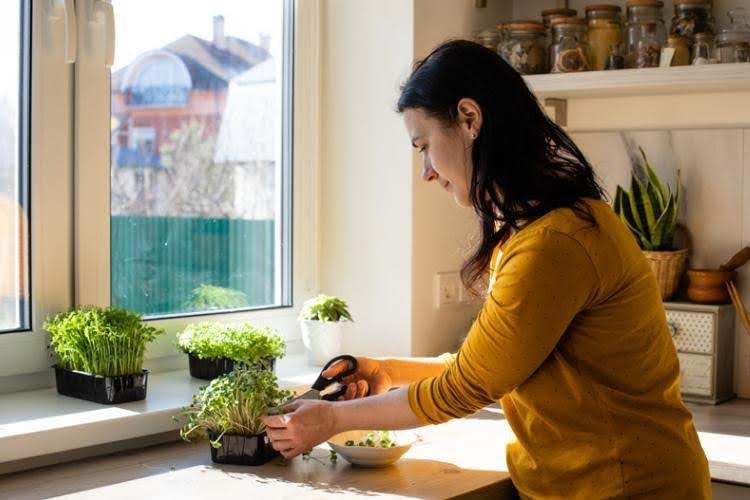
A mushroom growing kit is one of the easiest ways to start a new hobby. Most arrive as a box of growing material that you cut open, mist with water each day, and keep out of direct sun. The instructions tell you roughly how long to wait, and then small mushrooms start to appear, which feels a bit like magic the first time.
Many kits are made for beginners, so you don’t need any gardening experience. It takes a few minutes a day, works in a small apartment, and gives you something to cook with at the end. Kids tend to enjoy checking on it too, so it can become a shared routine instead of one more thing on your plate.
Ferment Something at Home
Fermenting sounds technical, but the basics are simple. Sourdough, kombucha, sauerkraut, and quick pickles depend more on time and a clean jar than on skill. You mix a few ingredients, leave them alone, and check in as they change.
The rhythm suits busy people because most of the work is waiting. A jar of cabbage needs a few minutes of attention, then a few days of patience. Follow a trusted recipe for timing and cleanliness, since food safety matters, and once you are comfortable, you can start experimenting with flavors like ginger or garlic. A loaf of sourdough also gives you something to share with the neighbors.
Save Seeds and Grow Your Own Garden
Plenty of people have grown a tomato from a nursery seedling. Far fewer have saved seeds from one season and planted them the next. You let a few of your best plants finish, collect the seeds, dry them, and store them in labeled envelopes. Beans, sunflowers, peas, and many herbs are good places to start, and over time you learn which plants thrive in your conditions.
The seeds you start with matter, too. Some adults carry the same patient, hands-on approach into growing at home where it is legal. Cannabis laws differ widely by country, state, and even city, so checking your local rules comes first. Pacific Seed Bank is one example of a retailer serving that niche. Feminized varieties are bred to produce female plants, which spares new growers from sorting plants later, and many beginners start with the feminized seeds available from Pacific Seed Bank. Whatever you decide to grow, read up on each variety’s needs before you buy.
Bind Your Own Photo Albums
Bookbinding sounds advanced, but a simple stitched book needs only paper, thread, a needle, and sturdy card for the cover. Many people use it to turn photos, kids’ artwork, or handwritten family recipes into something that lives on a shelf instead of a phone.
It is a good fit for home decorators, since you choose the cover yourself, whether that is leftover fabric, wallpaper samples, or wrapping paper. Your first few attempts may come out a little crooked, but that is part of the charm of something handmade. The finished book also makes a thoughtful gift, and the repetitive stitching is a good way to wind down in the evening.
Watch Birds, Then Find Your People
Birdwatching needs a window, a park or a backyard feeder, and a notebook to jot down what you see. Even a note on your phone works. It slows you down. You start noticing colors, songs, and habits you walked past before, and a short walk becomes more interesting.
It also leads naturally to the review’s third theme, social interaction and support. Local birding walks, seed swaps, fermenting meetups, and mushroom growing groups all give you regular contact with people who share an interest, and conversation comes easily when everyone is busy with the same thing. You do not have to be good at any of it. Showing up consistently is what builds the connection, and many friendships start with a simple question like “What bird is that?”
Give Yourself Permission to Try
Not every hobby will stick, and that is fine. Treat the first few weeks as a trial. If you dread it, drop it without guilt and try something else. If you find yourself looking forward to it, you have probably found a keeper.
This week, choose one idea from this list and set aside a small, protected block of time for it. Put it in your calendar like any other appointment. Free time is easier to enjoy when you have decided in advance what it is for, and the best hobbies are often the ones you never expected to enjoy.