
Few design challenges feel as daunting as transforming a room that never sees sunlight. Whether you’re dealing with a basement office, an interior bedroom, or an apartment where natural light simply doesn’t reach, these spaces can feel oppressive and unwelcoming. The absence of windows doesn’t have to mean living in perpetual gloom, though. With the right combination of lighting techniques, color choices, and thoughtful additions—including plants for low light rooms—even the darkest corners of your home can feel bright and inviting. Here’s how designers approach these tricky spaces to create environments that feel naturally luminous.
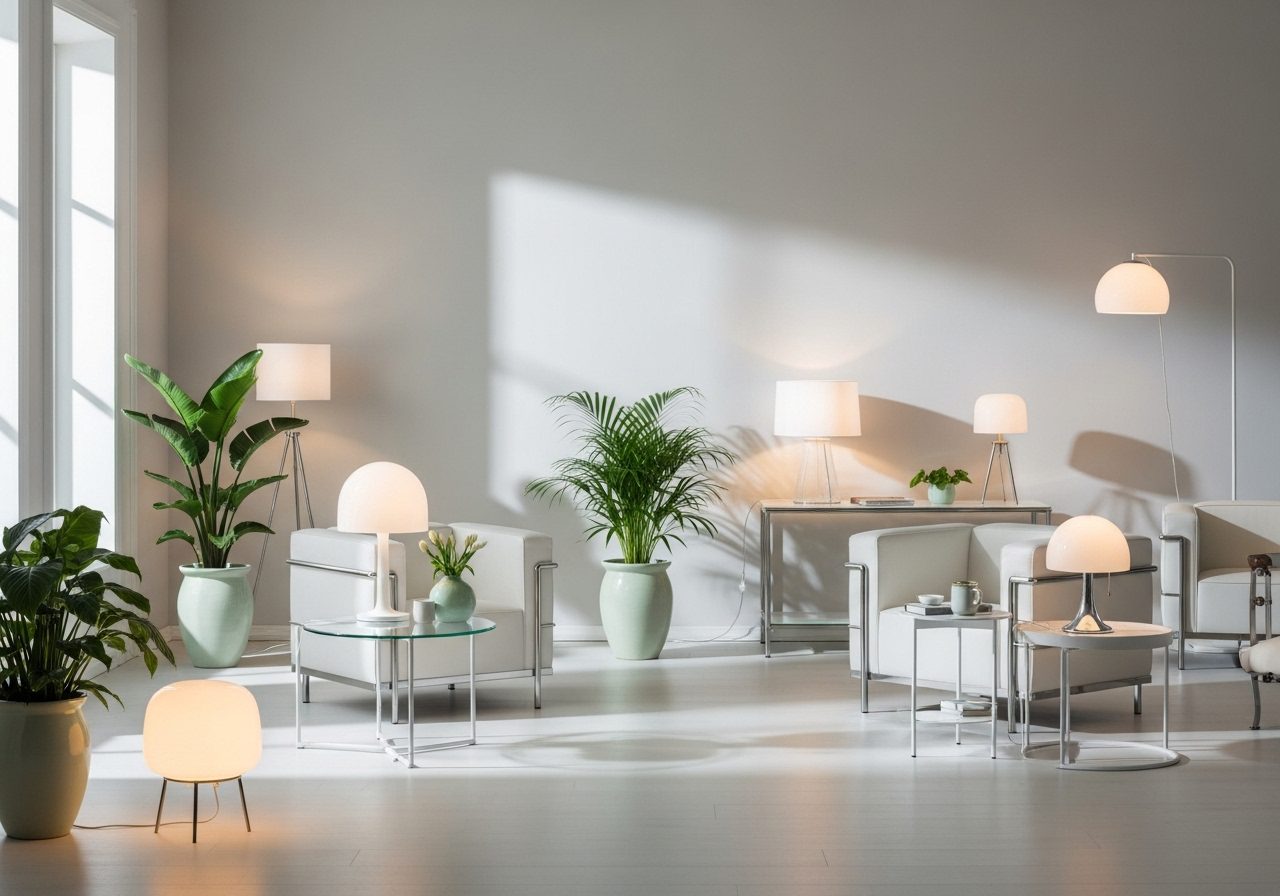
Lighting: Building Brightness Layer by Layer
Why Single Light Sources Fall Short
Walk into most windowless rooms, and you’ll find one lonely ceiling fixture trying to do all the heavy lifting. This approach creates harsh shadows and uneven illumination that actually makes spaces feel smaller. Instead, think like a lighting designer: brightness comes from multiple sources working together.
The magic number? Aim for three to five different light sources scattered throughout the room. Picture table lamps flanking a reading chair, a floor lamp tucked into a corner to wash the walls with light, and perhaps a pendant light creating a cozy focal point. Each light source contributes to an overall glow that mimics the way natural light fills a space.
Placement matters enormously here. Corner floor lamps bounce light off two walls at once, multiplying their impact. Table lamps create intimate pools of light that guide the eye around the room, while wall sconces free up surface space and add vertical interest.
The Science of Better Bulbs
Not all light is created equal, especially in rooms fighting an uphill battle against darkness. Cool-toned LED bulbs can make spaces feel more expansive, while warmer tones create intimacy—choose based on how you want the room to feel.
Your fixture choices are just as important as the bulbs inside them. White or light-colored lampshades act like tiny reflectors, bouncing light around instead of absorbing it. Look for fixtures that direct light upward toward the ceiling—this creates an illusion of height and prevents that cave-like feeling that plagues many windowless rooms.
Translucent shades and perforated designs cast interesting patterns while ensuring light reaches every corner. The goal is even distribution rather than dramatic spotlighting.
Indirect Lighting: The Secret Weapon
Some of the most effective lighting never directly hits your eyes. Upward-facing fixtures that wash the ceiling with light create an ambient glow that makes rooms feel larger and more open. LED strip lights tucked behind crown molding or under cabinets provide subtle illumination that adds depth without harsh glare.
Wall washers—fixtures designed to graze vertical surfaces with light—are particularly effective in windowless rooms. They create the impression of natural light streaming down walls, tricking the eye into perceiving more space and brightness than actually exists.
Color Psychology: Making Light Work Harder
The Power of Pale Walls
Light colors don’t just look brighter—they actually make rooms brighter by reflecting whatever light is available. This isn’t about painting everything stark white (though that certainly works). Soft creams, pale grays, and gentle off-whites create an airy feeling while giving you more flexibility with furniture and accessories.
Pay special attention to your ceiling. A light-colored ceiling can make a room feel dramatically taller, while a dark one seems to press down on the space. Some designers go so far as to paint ceilings in slightly lighter shades than the walls to maximize this height-enhancing effect.
he difference is measurable: rooms with light-colored walls can appear 20-30% brighter than identical spaces painted in darker hues, even with the same lighting setup.
Smart Flooring Choices
Your floor covers a lot of visual real estate, so make it work for brightness rather than against it. Light wood tones, pale tile, or cream-colored carpeting reflect light upward, contributing to the overall luminosity of the space.
The contrast between light floors and walls creates visual interest while maintaining the bright foundation your windowless room needs. This interplay of tones adds depth without sacrificing the precious light you’re working so hard to maximize.
Adding Color Without Losing Light
All this talk of light colors doesn’t mean your room has to feel like a hospital. Strategic pops of color—a vibrant throw pillow here, a piece of colorful artwork there—prevent that sterile, institutional feeling while maintaining overall brightness.
The key is balance. Let lighter tones dominate the large surfaces (walls, floors, major furniture pieces), then layer in color through smaller accessories that can easily be changed as your tastes evolve.
Mirrors and Reflective Surfaces: Doubling Your Light
Strategic Mirror Placement
If lighting is the foundation of a bright windowless room, mirrors are the secret sauce. A well-placed mirror can literally double the apparent light in a space by reflecting it back into the room.
Position mirrors opposite your strongest light sources to bounce illumination deeper into the space. A large mirror can make a room feel twice its actual size, while a collection of smaller mirrors creates complex reflection patterns that eliminate dark spots.
Some designers take this concept to its logical extreme, mirroring entire accent walls. While dramatic, this technique requires careful consideration—you’ll want to ensure the mirror reflects something attractive rather than, say, a cluttered corner or an awkward angle.
Transparent Elements Keep Things Open
Glass and acrylic furniture pieces maintain visual flow by allowing light to pass through rather than blocking it. A glass coffee table takes up the same functional space as a wooden one but doesn’t create a visual barrier. Glass-front cabinets, clear acrylic chairs, and transparent room dividers define spaces without compartmentalizing them further.
This transparency is particularly valuable in windowless rooms where every bit of visual openness counts.
Furniture and Fabric Choices That Brighten
Light-Colored Furniture as Brightness Boosters
Think of light-colored furniture as additional light sources. A cream-colored sofa reflects light upward and outward, making walls appear taller and rooms feel more spacious. White or pale wood cabinetry serves the same function while providing necessary storage.
Yes, light-colored furniture requires more maintenance, but modern fabric protection treatments have made this less of a concern. The brightness benefit usually outweighs the extra care required, especially in rooms that need all the help they can get.
Window Treatments That Welcome Light
Even if your windows are small or poorly positioned, don’t block what little light they provide with heavy drapes. Lightweight options like Roman shades, solar screens, or sheer panels preserve privacy while allowing maximum light penetration.
Hanging treatments slightly above the window frame creates an illusion of larger windows and more light. Sheer fabrics in particular create an ethereal, light-filled effect that enhances the perception of natural brightness.
Bringing Nature Indoors
The Life That Plants Add
Houseplants do more than just look good—they make spaces feel alive and fresh in ways that purely decorative elements can’t match. The psychological impact is real: rooms with plants feel more welcoming and less confined.
Choose planters in light colors to extend your brightness strategy throughout the room. Pale ceramic pots, white planters, or even metallic finishes that reflect light all contribute to the overall luminosity while supporting healthy plant growth.
Thoughtful Plant Placement
Clustering plants in corners or along walls creates natural focal points that draw the eye upward and outward. Vary the heights and textures to add visual interest without overwhelming the space.
Remember that even low-light plants benefit from occasional rotation to brighter spots in your home. This keeps them healthy while ensuring they continue to contribute to your room’s fresh, lively atmosphere.
Putting It All Together
Where to Start
Begin with lighting—it offers the biggest impact for your investment. Adding two or three well-placed lamps can transform a space immediately. Next, consider paint and mirrors for moderate-cost changes that deliver significant visual improvement. Save furniture updates and major decor changes for later phases of your room’s transformation.
Common Pitfalls to Avoid
The biggest mistake is expecting any single element to solve your brightness problem. A windowless room needs multiple strategies working together: layered lighting, light colors, reflective surfaces, and thoughtful furnishing choices.
Avoid filling the space with dark, heavy pieces that absorb light. Skip the single overhead fixture approach—it creates harsh shadows rather than the even illumination you need. And don’t sacrifice all personality for brightness; the goal is a room that feels both bright and livable.
Creating Your Bright Sanctuary
Transforming a windowless or dim room isn’t about creating harsh, artificial brightness—it’s about layering thoughtful design choices that work together to maximize perceived light while maintaining warmth and character. Even implementing just a few of these strategies can make a dramatic difference. Add a couple of strategically placed lamps, hang a large mirror opposite your best light source, or introduce some light-reflecting plants, and you’ll be amazed at how much brighter and more welcoming your space becomes.
The most successful transformations happen when multiple elements work in harmony: ambient lighting sets the foundation, light colors amplify available brightness, mirrors multiply the effect, and carefully chosen furnishings tie it all together. With patience and strategic planning, even the most challenging windowless room can become a bright, inviting space you actually want to spend time in.