
Many people know the feeling of having hundreds of amazing photos sitting on a phone, but struggle to figure out the best way to enjoy them in their home. Staring at a camera roll, they often wonder whether to create a beautiful coffee table photo book or finally tackle that gallery wall they have been planning for months. It is one of those decisions that seems simple on the surface but gets more complicated the deeper one thinks about it.
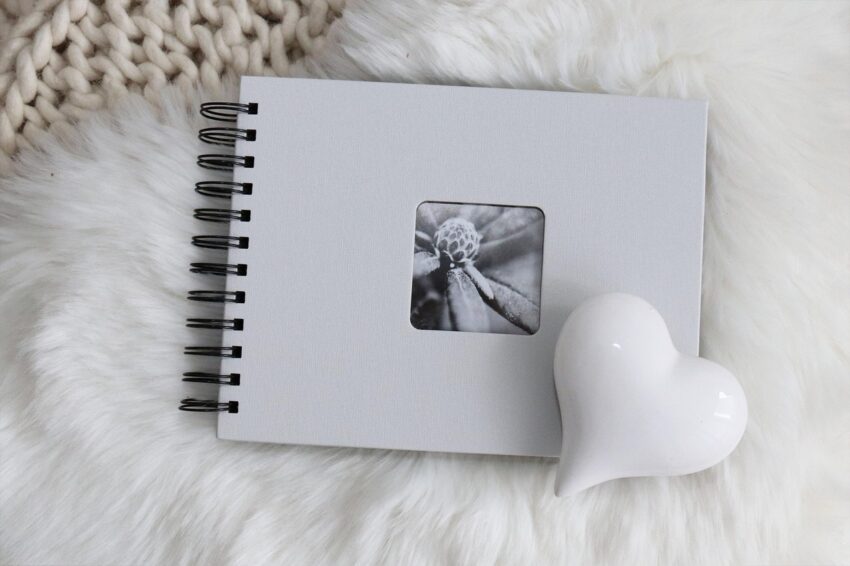
The truth is, both options have their place in a well-decorated home, but choosing the right one depends on a person’s lifestyle, space, and how they want to experience their memories. Exploring both approaches reveals valuable insights for making the best choice.
The Great Memory Display Dilemma: Understanding Your Options
Here is a key principle to understand from the start: the way photos are displayed completely changes how people interact with them. It is not just about decoration—it is about creating experiences and preserving memories in ways that fit into daily life.
The Intimate Experience of Photo Books
Photo books create what can be described as “memory moments.” These are the times when someone picks up a book from a coffee table, and suddenly everyone is transported into vacation stories or family memories. There is something special about the physical act of turning pages together, pointing at photos, and sharing the stories behind them.
The Bold Statement of Wall Art
Wall displays, on the other hand, make memories part of the daily environment. Every time a person walks through their living room or down a hallway, those photos become part of the routine. They serve as conversation starters for guests and daily mood boosters for the homeowner.
Why This Decision Matters More Than You Think
Many assume this is just about aesthetics, but it is actually about how one wants to live with their memories. Should they be something to seek out and savor, or a constant, comforting presence in the space? Neither answer is wrong, but understanding this preference can save time, money, and frustration.
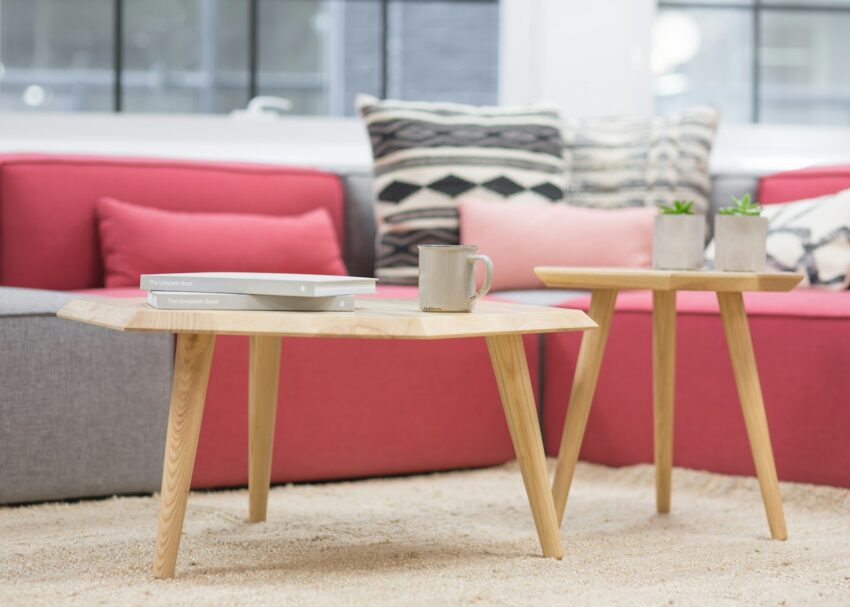
Coffee Table Photo Books: The Personal Touch Approach
Experience shows that photo books are perfect for certain situations and less suitable for others. The secret lies in understanding when they work best and how to create books that get used instead of just looking pretty on a shelf.
Creating Conversation Starters That Actually Work
The magic of a good coffee table photo book is not just in the photos—it is in the curation. A common mistake is trying to include every decent photo from a trip or event. The books that people actually flip through are the ones that tell a story with intention.
Professional designers suggest starting with about 50-80 photos maximum for a coffee table book. Mix wide shots that set the scene with close-ups that capture emotions. Including some unexpected moments—those candid shots between the posed ones—often makes them the most treasured. Another helpful tip is to leave some white space on the pages. Cramming too many photos together makes a book feel overwhelming rather than inviting.
Storage and Preservation Benefits You Hadn’t Considered
An often-overlooked benefit of photo books is their role as a backup storage solution. While digital copies are essential, there is peace of mind in having physical prints of the most important memories. Hard drives can fail and cloud storage accounts can be compromised, but those photo books on the shelf remain secure.
The quality of professional photo book printing has also improved incredibly. Books made five years ago can still look as vibrant as the day they arrived. This is a stark contrast to some wall prints that may fade near windows or get damaged during moves.

When Photo Books Make the Most Sense for Your Lifestyle
Photo books are ideal for those who love to share stories about their experiences. They work especially well for documenting specific events or trips that have clear narratives. Some families create an annual photo book, and it becomes a holiday tradition to look through them together.
They are also perfect for renters or people who move frequently. There is no wall damage to worry about, nor concern over whether a photo arrangement will work in the next space. And for anyone who gets overwhelmed by visual clutter, photo books allow them to enjoy photos without adding to the visual noise in a room.
Wall Displays: Making Your Memories the Star of the Room
Getting wall displays right can take a few attempts, but when they work, they completely change how a room feels. The key is to understand that it is not just about hanging pictures—it is about creating a focal point that works with the existing decor and lifestyle.
Maximizing Visual Impact Without Overwhelming Your Space
The most common mistake with wall displays is going too small or too scattered. To make a photo display intentional, a single large canvas or a well-planned gallery wall will always look better than random small frames scattered around.
Consider this common scenario: individual 5×7 prints in cheap frames hung all over a living room. The effect often looks busy and unfinished rather than personal and curated. When a proper gallery wall is created with larger prints in coordinating frames, the entire room feels more pulled together.
Viewing distance is also important. Photos seen from across the room need to be larger and have more contrast than ones viewed up close. A large family photo in an entryway that looks perfect from the front door is a great example, while smaller, more detailed shots work well in a hallway where people walk closer to the walls.
Rental-Friendly Solutions That Won’t Cost You Your Security Deposit
For many renters, the biggest concern is how to create meaningful wall displays without damaging the walls. Fortunately, several solutions work well and will not risk a security deposit.
Adhesive strips work great for lighter frames, but caution is advised for anything valuable or heavy. For heavier pieces, removable wallpaper with adhesive photo mounts creates a clean look and comes off easily when it is time to move.
Gallery ledges are another excellent solution for renters. Frames can be leaned against the wall instead of hung, and it is easy to switch photos seasonally or when a new arrangement is desired. Plus, the layered look is very stylish.
Gallery Wall Mistakes That Make Your Photos Look Cheap
After helping many with their gallery walls, several common mistakes become apparent. First is mismatched frame quality. The frames do not need to be expensive, but they should be of similar quality. One cheap, flimsy frame can make the whole display look amateur.
Second is poor spacing. The general rule is 2-3 inches between frames, but more importantly, the spacing should be consistent. A helpful trick is to cut paper templates and tape them to the wall before committing to nail holes.
Third is ignoring the room’s proportions. A tiny gallery wall on a huge blank wall looks lost, while an oversized display in a small space feels overwhelming. Taking photos of the wall and sketching out arrangements beforehand can prevent this.
The Practical Decision Matrix: What Really Matters
Analyzing the decision process reveals the key factors that should influence the choice. It is not about which option is “better”—it is about which one fits a specific situation.
Budget Reality Check: Hidden Costs You Need to Know
A realistic look at the budget often reveals surprising costs. A quality coffee table photo book typically runs $40-100 depending on size and page count. That seems straightforward, but the desire to make multiple books over time means the cost adds up.
Wall displays have more variable costs. A beautiful gallery wall can be created for $100-200 with strategic frame shopping and print sizes. However, it is easy for costs to spiral with custom framing or large canvas prints. It is not uncommon for a single wall display to exceed $500 as costs accumulate.
Ongoing costs should not be forgotten. Photo books are one-time purchases, but wall displays might need updating as style evolves or photos fade. Potential moving costs are also a factor, as wall displays require more careful packing and are more likely to get damaged.
Space Constraints and Creative Workarounds
Available space should heavily influence the decision, but not always in obvious ways. Small spaces do not automatically mean photo books are better. Sometimes a well-placed large print can actually make a small room feel bigger by creating a focal point and a sense of depth.
For example, in a tiny bathroom, one large black and white photo can transform the space where a photo book would have no impact. But in a small living room, a gallery wall might feel cluttered, making photo books on the coffee table and side table a much better fit.
Consider wall space availability as well. If walls are already full of functional items like mirrors, shelves, or a TV, adding more visual elements might be overkill. But if there are large blank walls that feel empty, photos can warm up the space significantly.