
Natural light is one of those design elements that quietly changes everything. A room can have beautiful finishes and perfectly chosen furniture, yet still feel flat if the light is wrong. Conversely, even a simple interior can feel calm, spacious, and “finished” when daylight is doing the heavy lifting.
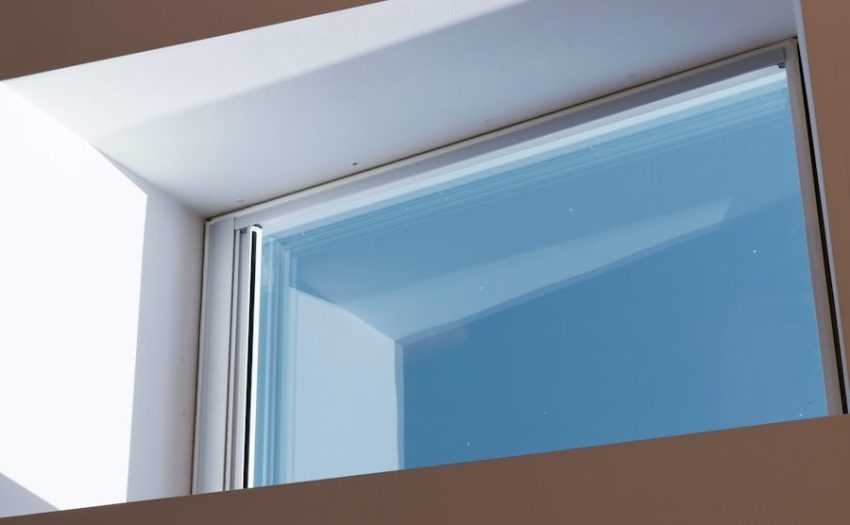
Most of us think first about vertical windows—bigger panes, slimmer frames, maybe new glazing. But top-down light behaves differently. It reaches deeper into a floor plan, shifts more evenly through the day, and can make areas that typically feel compromised (hallways, lofts, stairwells, rear extensions) feel genuinely inviting.
If you’re exploring ways to brighten a home without sacrificing privacy or wall space, it’s worth considering roof-installed windows to improve natural lighting as part of the design conversation. This isn’t just about adding “a skylight”; it’s about changing how the interior is experienced—how it flows, how it feels, and how it supports everyday life.
Why overhead daylight feels so different
Light from above has a more uniform quality than light entering from the side. Vertical windows often create strong contrast: bright patches near the glazing and darker zones further into the room. Roof-level daylight tends to spread, reducing the “cave effect” that can occur in deeper layouts.
There’s also a psychological component. People respond to daylight with measurable changes in mood and alertness, and designers often notice that spaces with balanced natural light are simply used more. The reading chair moves. The kitchen island becomes a place to linger. The upstairs landing stops being a pass-through and becomes part of the home.
The overlooked advantage: reclaiming wall space
One practical benefit is easy to miss: bringing light in from above frees up walls for storage, art, shelving, or furniture placement. In extensions and attic conversions, wall real estate is precious. Overhead glazing can deliver brightness without forcing you to dedicate an entire elevation to windows—useful when neighbouring properties, privacy, or planning constraints limit side-facing options.
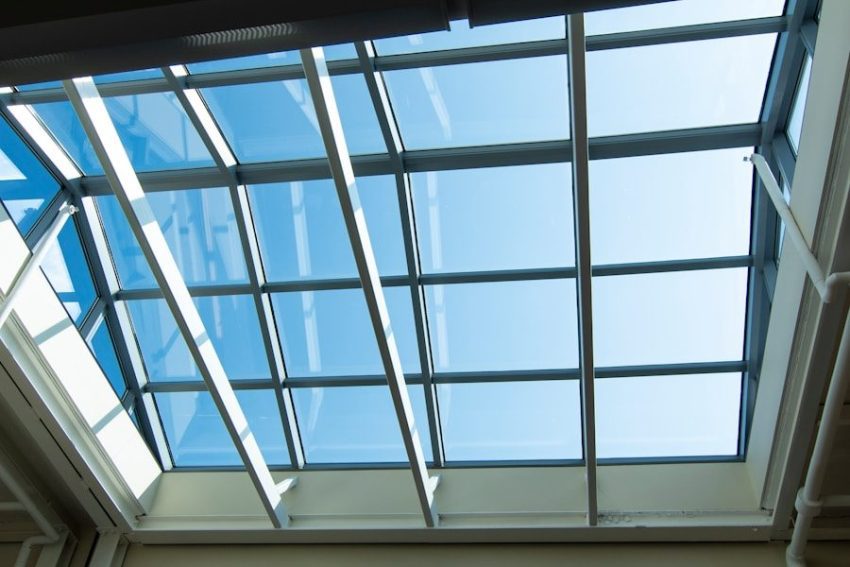
Where light-from-above makes the biggest impact
Not every room needs overhead glazing, but certain “problem areas” see outsized gains.
Loft conversions and attic rooms
Attics often suffer from two issues at once: limited vertical wall area and awkward geometry. Roof windows can make the room feel taller and more open, especially when positioned to catch sky views rather than just a slice of horizon. The difference between “usable storage space” and “a bedroom you want to sleep in” is frequently daylight.
Stairwells, landings, and hallways
These are the dark arteries of many homes. Adding top lighting here can reduce the need for daytime electric lighting and make navigation safer. A bright stairwell also changes the feel of the whole property because it connects floors visually—suddenly the home reads as one coherent space rather than a series of separate zones.
Rear extensions and deep-plan kitchens
Extensions can inadvertently create a dark middle band where the original structure meets the new. Overhead glazing placed strategically near that junction can balance the light across old and new areas, avoiding the common scenario where the back of the extension is bright but the centre of the home remains dim.
Design choices that determine whether it feels “wow” or “why did we do this?”
Adding roof glazing is conceptually simple, but the details determine comfort. Done well, it feels effortless. Done poorly, it can introduce glare, overheating, or privacy concerns.
Orientation and sun path: brightness vs. comfort
A useful rule of thumb: it’s not just how much light you get, it’s when and from where. South-facing roof glazing (in the UK) can deliver plentiful daylight but may need shading to prevent overheating in summer. North-facing tends to provide softer, more consistent light—excellent for studios, offices, and kitchens where you want clarity without harsh contrast.
East-facing brings bright morning light (great for breakfast areas); west-facing can create dramatic evening sun but also late-day glare. Think about the room’s schedule. When is it most used?
Ventilation: light that also improves air quality
Operable roof windows do double duty. Warm air rises, so roof-level openings are highly effective for releasing heat and improving airflow—particularly in loft rooms that can otherwise feel stuffy.
If you’re aiming for comfort, consider cross-ventilation: a lower opening (like a side window or door) paired with an overhead opening creates a “stack effect” that naturally pulls fresh air through the space.
Glare control and privacy (yes, it matters overhead too)
Overhead light can be intense. Kitchens with glossy cabinets, home offices with screens, and TV rooms are common problem spots. Plan for glare early:
- Use blinds or integrated shading where appropriate
- Consider diffusing options (frosted or patterned glazing) in bathrooms or overlooked areas
- Position windows to avoid direct reflection onto screens and worktops
That’s the only list you’ll need—most glare issues come from ignoring these basics.
Energy performance: the modern reality (and the common misconception)
Older skylights earned a reputation for heat loss and condensation. Modern roof windows are a different category. High-performance glazing, better seals, and correct installation methods have significantly improved thermal performance. In many homes, roof glazing can reduce lighting demand during the day and contribute to passive warming in cooler months—provided orientation and shading are thoughtfully handled.
The bigger energy risk is overheating in summer, especially as UK homes adapt to warmer seasons. That’s why external shading, solar control glass, and ventilation strategies matter. If your design assumes a static climate, you may end up relying on fans (or even retrofit cooling) later.
Practical planning: what to think about before you cut into the roof
Before committing, step back and assess the project like a designer, not just a homeowner chasing brightness.
Sizing and placement: aim for balance, not maximum glass
More glazing doesn’t always mean better light. A well-placed opening can outperform a larger poorly positioned one, especially in rooms with strong contrasts. Think about where light will land—on a wall you want to highlight, into the centre of the plan, or along a circulation route that currently feels gloomy.
Installation quality is non-negotiable
Daylight is transformative, but only if the roof remains weather-tight and thermally sound. Correct flashing, insulation continuity, and vapour control details prevent future headaches like drafts and moisture issues. A roof window should disappear into the architecture—no staining, no cold spots, no “fiddly” maintenance rituals.
The real transformation is how the space gets used
Here’s the most telling sign that light from above has worked: you stop talking about it. You simply find yourself using the space more—working there, relaxing there, keeping it tidier because it feels worth it.
If you’re redesigning a home, especially one with a deep plan or underused upper floor, don’t treat roof-level daylight as an afterthought. Consider it a spatial tool. Done with intention, it changes not just how a room looks, but how it supports the life happening inside it.