
Outdoor space often starts out feeling like a bonus. It’s where you grab fresh air, let the kids burn off energy, or sit down for a quiet minute at the end of the day. Over time, though, something shifts. Without much planning, certain routines start happening outside simply because it’s easier, calmer, or better suited to what’s going on in the moment.
For many families, this change is gradual. A task that used to stay indoors moves out for convenience. A habit sticks because the space makes it simple. The yard or patio starts to feel like one more place where the day naturally unfolds.
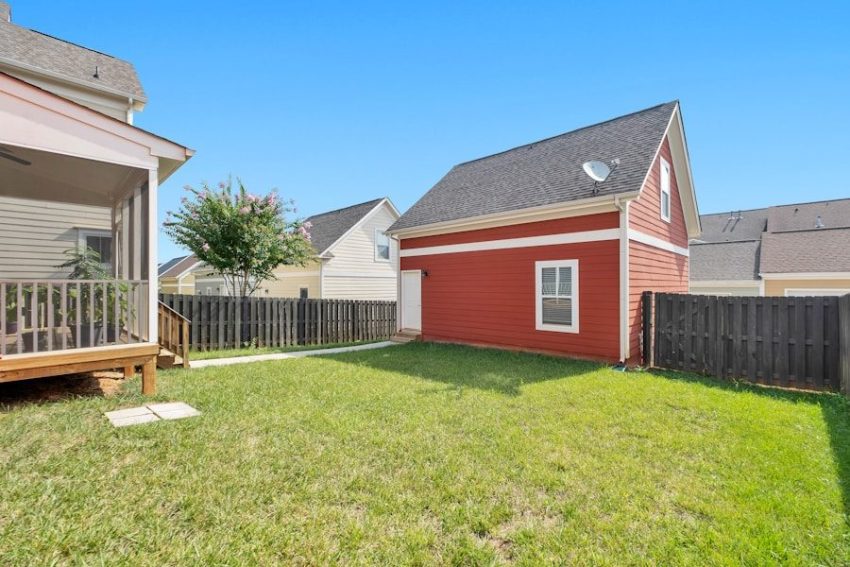
Outdoor spaces usually earn their place through repeated, everyday use. What matters most is how they support the rhythms of home life as it already exists.
How Everyday Habits Naturally Extend Outdoors
Daily routines have a way of settling wherever they feel the least complicated. When the weather cooperates or the house feels a little crowded, small moments drift outside without much thought. Kids wander out with toys that never quite make it back in. A quick chore turns into a few minutes in the yard. Even simple pauses feel different when they happen in open air.
These habits rarely come from a plan. They develop because the outdoor space is available and familiar. Over time, it becomes the natural setting for parts of the day that don’t need walls or structure. The more often it happens, the less noticeable the transition becomes.
Little by little, outdoor space stops being something you “use” and starts feeling like part of the home’s normal rhythm. It holds everyday activities in the same casual way a kitchen or living room does, shaped by habit rather than intention.
When Outdoor Responsibilities Become Part of the Daily Rhythm
As outdoor time becomes more routine, so do the responsibilities that come with it. Tasks that once felt occasional are now settling into the day without much notice, often because handling them outdoors feels more practical than bringing everything indoors. Checking on a garden, tidying shared areas, or caring for animals starts to fit into the same flow as everything else.
These responsibilities feel lighter when they don’t require a separate block of time or a big mental reset. When outdoor care fits naturally between other parts of the day, it’s easier to keep up with without feeling like something new has been added to the list. When care tasks don’t demand rigid timing, a company like Mobile Chicken House allows animal care to follow the pace of the day rather than interrupt it.
Over time, these moments lose their sense of novelty and become familiar pauses in the routine. They’re handled almost automatically, steady and manageable instead of demanding.
Flexibility Matters More Than Perfect Outdoor Setups
Outdoor routines rarely look the same from one season to the next, or even from one week to the next. Schedules shift. Energy changes. What a family needs from an outdoor space can look completely different depending on what life feels like at the moment. That’s why flexibility tends to matter more than having everything arranged perfectly.
When an outdoor space can handle a little mess, a change of plan, or a quick reset, it stays inviting. A chair that moves where it’s needed, a spot that works for both play and a quiet break, or a simple storage solution that keeps the basics within reach can support the kind of everyday use that happens naturally.
The goal isn’t getting it “right” once and keeping it that way forever. It’s making it easy to adjust as routines evolve. When outdoor space supports the flow of real life, it stays welcoming without requiring constant attention.
How Repeated Use Changes What We Expect From Outdoor Space
The more an outdoor space is used, the more it earns its place in the day. Little things that once felt optional become familiar, and that familiarity shapes what matters most. Comfort becomes less about how everything looks and more about whether the space supports the moments that keep happening there.
Once you’re using it regularly, your expectations start to change. Instead of thinking about outdoor space as something that needs to be “ready,” it becomes a place where life can unfold as-is, even on ordinary days. That steady connection to fresh air and green space is one reason families keep returning outside. The American Heart Association notes that spending time in nature can help reduce stress and anxiety.
Over time, the most valued parts of an outdoor space are often the ones that make daily life feel a little lighter. Not because they solve everything, but because they give routines room to breathe.
Letting Outdoor Space Support Daily Life Without Adding Pressure
As outdoor routines settle in, it helps to let go of the idea that these spaces require constant attention or refinement to be worthwhile. The most comfortable outdoor spaces are often the ones allowed to look lived in, shaped by use rather than expectation. When there’s less pressure to keep everything looking a certain way, it becomes easier to focus on how the space supports daily life.
This mindset mirrors the way many homes evolve over time, with small, thoughtful choices making the biggest difference. It’s similar to the calm, steady approach described in simple backyard updates that change how you use the space, where small changes support real life instead of trying to reinvent it.
When outdoor areas stay flexible and forgiving, they remain useful without becoming another source of work. They’re there to support the pace of the day, not compete with it.
Conclusion
Outdoor spaces don’t usually earn their place in daily life all at once. They become part of the home gradually, shaped by habits, responsibilities, and small moments that repeat day after day. What starts as an extra area to enjoy eventually blends into routines because it works for how life is actually lived.
When outdoor space is allowed to grow into that role without pressure or constant adjustment, it supports everyday life in a quiet, steady way. It holds space for routines, pauses, and responsibilities alike, becoming less about how it looks and more about how naturally it fits into the flow of home.