
A surprising amount of how “good” a home feels comes down to two invisible factors: light and air. Get those right, and rooms seem calmer, cleaner, and more usable. Get them wrong—especially in upper floors and loft conversions—and you can end up with spaces that look fine on paper but feel stuffy, gloomy, or uncomfortably hot.
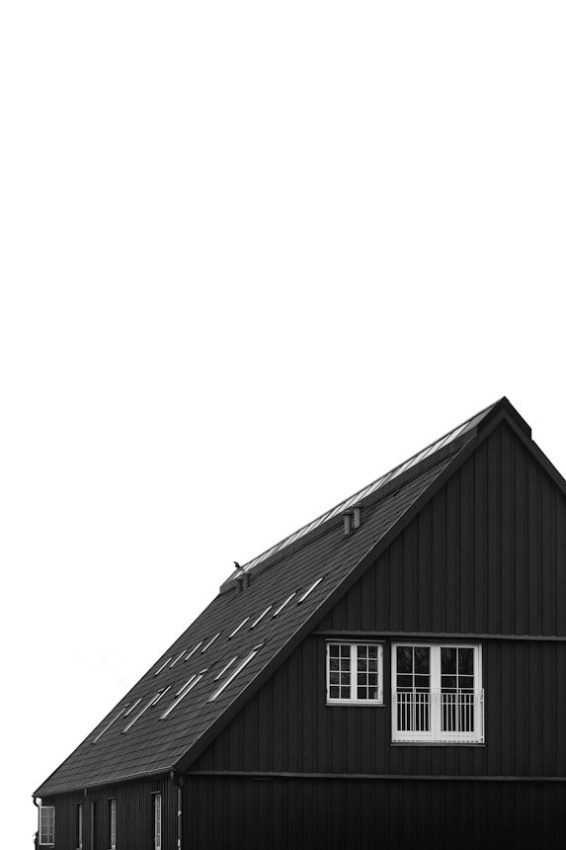
That’s where pitched roof windows can make a real difference. Unlike standard vertical glazing, roof windows bring daylight deeper into the floorplan, pull fresh air through the highest point of the room, and change the character of a space in a way that’s hard to replicate with lamps or extractor fans. If you’re exploring options for overhead windows for pitched roof spaces, it’s worth thinking beyond aesthetics. The real value is how they can support everyday comfort, sleep quality, mood, and even how you use your home across the seasons.
Daylight: more than a design feature
Natural light is closely tied to wellbeing, but the mechanism is practical rather than mystical. Bright light (especially in the morning) helps regulate circadian rhythms—your internal clock that influences sleep timing, alertness, and hormonal cycles. When upper rooms are underlit, people often compensate with artificial light at the wrong times of day, which can blur those signals.
Why roof-level light feels different
Pitched roof windows tend to deliver more sky exposure than a similarly sized vertical window, particularly in dense neighbourhoods where fences, trees, and adjacent buildings block low-angle light. That matters for:
- Daytime alertness: brighter spaces reduce the sense of “afternoon slump.”
- Visual comfort: balanced daylight can reduce eye strain compared with high-contrast, spot-lit rooms.
- Perceived spaciousness: top light softens shadows and makes sloped-ceiling rooms feel less confined.
The effect is often most noticeable in loft bedrooms, home offices, and upstairs landings—places that otherwise rely on borrowed light from stairwells or small gable windows.
Glare control is part of wellbeing
Of course, too much direct sun can be uncomfortable, particularly on south-facing roofs. Glare doesn’t just annoy you; it changes behaviour (closing curtains, avoiding a room, working in dim light). A wellbeing-focused approach includes shading and glazing choices that preserve daylight while reducing harshness. In practice, that means considering orientation, solar control coatings, and blinds early—rather than treating them as an afterthought.
Ventilation and indoor air quality: the “high point” advantage
Stale air is one of the most common complaints in converted lofts and top-floor rooms. Warm air rises, humidity collects, and without an easy escape route you get that familiar heavy feeling—especially overnight.
Roof windows support passive airflow
Because they sit at the top of the space, pitched roof windows are well placed to release heat and moisture. Even modest opening sizes can make a difference when paired with a lower-level opening (a door, stairwell, or another window), creating a natural stack effect. This can help with:
- Humidity control: reducing condensation that contributes to mould growth.
- Odour build-up: especially in bedrooms and open-plan lofts.
- Sleep comfort: cooler, fresher air tends to improve perceived sleep quality.
If you’ve ever woken up in a warm loft room that feels “used up” by morning, you’ve experienced why high-level ventilation matters.
A quick checklist for healthier airflow (without overcomplicating it)
Here are a few practical considerations that often deliver outsized benefits:
- Place operable roof windows where they can be opened safely and routinely (not just in theory).
- Aim for cross-ventilation when possible—high opening plus a lower path for replacement air.
- Consider trickle ventilation or secure night-vent positions if the room is used for sleeping.
- Pay attention to moisture sources (showers, laundry drying) and ensure extraction is adequate.
That’s the only time you should need a checklist; most of the work is simply planning the room to breathe.
Thermal comfort: warmer in winter, calmer in summer (with the right spec)
People sometimes assume roof windows automatically mean heat loss in winter or overheating in summer. In reality, comfort depends on specification, placement, and how occupants use the space.
Winter: reducing the “cold corner” effect
Upper rooms can feel chilly not only because of insulation gaps but also because of uneven surface temperatures and draughts. Modern roof windows with well-designed frames and insulated glazing can help maintain more stable internal temperatures, particularly when installed with proper airtightness detailing and insulated flashings. The comfort gain is subtle but real: fewer cold downdraughts, less need to crank heating to compensate, and more consistent warmth across the room.
Summer: managing solar gain and night purging
Overheating is a genuine risk in lofts because roofs receive intense solar exposure. But pitched roof windows can be part of the solution as well as the problem. The key is control:
- Limit peak solar gain with glazing suited to the orientation and shading where needed.
- Vent hot air quickly by opening high-level windows in the evening.
- Use night-time cooling (when safe and appropriate) to purge heat from the room’s upper zone.
In other words, roof windows can enable a “cooling strategy” that doesn’t rely entirely on mechanical air conditioning.
Psychological comfort: privacy, focus, and a calmer home
Wellbeing isn’t only about temperature and humidity. It’s also about whether a room supports the way you want to live.
Privacy without a cave-like feeling
Top-lighting can be a gift in overlooked areas. In many homes, adding more vertical glazing means trading light for privacy—especially in terraces or close-set suburban streets. Roof windows provide daylight and sky views while keeping sightlines away from neighbours. That can make a loft office feel more relaxed, or a bathroom feel brighter without resorting to frosted glass everywhere.
Better focus in work-from-home spaces
If you’ve tried working in a dim spare room, you’ll know that lighting affects concentration. Roof windows can create a more even, natural illumination that changes gently through the day. For desk placement, it’s often easier to avoid screen reflections with overhead light than with a low sun coming through a vertical window.
Making the most of pitched roof windows: a few grounded design tips
If your goal is comfort and wellbeing—not just a dramatic architectural moment—focus on these decisions:
Think in “room behaviours,” not just window sizes
Ask yourself: How will this room be used at 8am, 2pm, and 10pm? A bedroom needs controllable darkness and secure ventilation. A studio might prioritise consistent daylight and glare control. A stairwell benefits from borrowed light and stack ventilation. Different needs, different solutions.
Respect orientation and roof pitch
A north-facing roof window can deliver beautifully consistent light for creative work. A south-facing one might need stronger solar control. Roof pitch affects how much sky you see and how the sun tracks across the glazing, so it’s worth considering early—before you fall in love with a layout that later overheats.
The takeaway: wellbeing is built from the basics
Pitched roof windows enhance comfort when they improve the fundamentals: natural light that supports daily rhythms, ventilation that keeps air fresh, and thermal performance that doesn’t fight the seasons. Done thoughtfully, they can turn top floors and lofts into the most liveable rooms in the house—spaces that feel lighter, healthier, and easier to be in for long stretches of time. That’s not a luxury upgrade. It’s good building science with very human outcomes.