
Unforeseen plumbing emergencies can cause extensive damage and lead to significant repair costs. For instance, a simple leak, if left unattended, can result in a 10,000-gallon annual water waste, as reported by the Environmental Protection Agency (EPA). Not only does this contribute to environmental stress but also increases household expenses.
Understanding the significance of regular maintenance in preventing such emergencies is critical for homeowners. Below, we delve into the proactive measures that ensure the longevity and reliability of your home’s plumbing system.
Recognizing Early Signs of Plumbing Issues
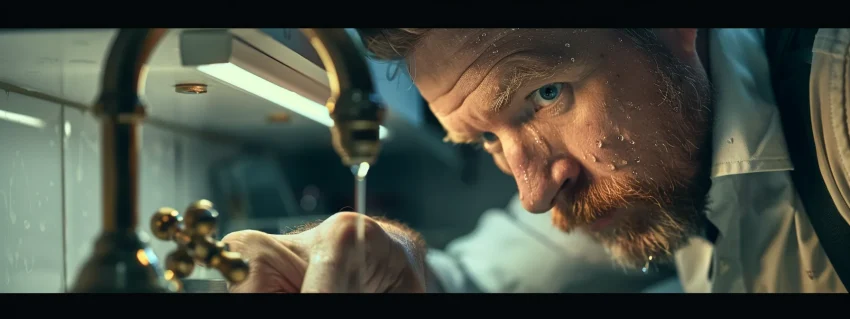
Early detection of potential plumbing problems is vital for preventing emergencies. Minor issues like a dripping faucet or slow drain may indicate underlying complications that can escalate if ignored. Recognizing these early signs is the first line of defense against more severe plumbing failures.
For example, a slight discoloration in water or an unusual increase in water bills can point to possible pipe corrosion or hidden leaks. A persistent gurgling sound from drains might hint at a blockage building up in your pipes that, without attention, could lead to bursting pipes or severe backups.
Homeowners should consistently monitor water pressure, investigate any anomalies, and seek professional advice when in doubt. These actionable steps will ensure that minor issues are addressed before they evolve into costly repairs or full-blown plumbing disasters.
Routine Inspections: A Strategy to Mitigate Plumbing Failures
Engaging in routine plumbing inspections is an effective strategy to preemptively tackle issues that could lead to emergencies. A comprehensive inspection by a professional can unearth problems that are not immediately obvious to the untrained eye.
Detailed inspections could reveal issues such as partially blocked vents, seeping seals, or even tree root intrusions. Professionals utilize advanced tools and techniques, like video camera pipe inspections, to accurately diagnose the health of your plumbing system.
Plumber Committing to a schedule of annual or bi-annual inspections, depending on the age and condition of the plumbing system, can safeguard against sudden malfunctions. Qualified plumbers can recommend a frequency that aligns with your household needs and the local climate’s demands on your pipes.
Preventative Plumbing Maintenance: What It Entails and How It Helps
Preventative plumbing maintenance involves a variety of tasks designed to preserve your plumbing system’s wellbeing. This entails regular cleaning of drains, inspection of faucets and showerheads for leaks, and checking the integrity of toilet components.
Such maintenance can head off a range of issues, from averting clogs that could lead to overflows, to preventing the degradation of fixtures that could cause water damage. For instance, ensuring your water heater undergoes periodic inspections can prevent the inefficiencies and potential failure associated with sediment buildup.
Ensuring the hardness of your water is within acceptable limits and applying water-efficient practices are actionable measures in preventative maintenance that also contribute to the health of your plumbing and the environment. Extended life expectancy of fixtures and appliances further translates into direct savings and fewer emergency calls to the plumber.
Long-Term Savings: The Financial Impact of Proactive Plumbing Care

Proactive plumbing care comes with long-term financial benefits. By maintaining a well-functioning system, homeowners can avoid the exorbitant costs associated with emergency plumbing repairs, which can run into thousands of dollars for significant breakdowns.
Statistics show that water damage claims average around $10,000, underscoring the value of regular maintenance in mitigating potential disasters. Households that invest in routine plumbing care can also benefit from lower water bills by preventing leaks and ensuring efficient water use.
Adopting a preventive approach often results in reduced need for replacements and renovations, as fixtures and pipes that are well-maintained tend to last significantly longer. Periodic evaluations and corrections can cut down on cumulative expenses and boost property value by retaining a pristine plumbing system.
Ultimately, the decision to prioritize regular maintenance is a wise investment in the health of your home’s plumbing system. It not only safeguards against the inconvenience and cost of sudden emergencies but also contributes to better water conservation and efficiency. A disciplined approach to plumbing care is a key element in preserving the structural integrity and value of your property in the long run.