
Dining spaces today do more than host meals. They serve as work zones, homework spots, and casual gathering areas throughout the day. This shift in use changes what you need from your storage.
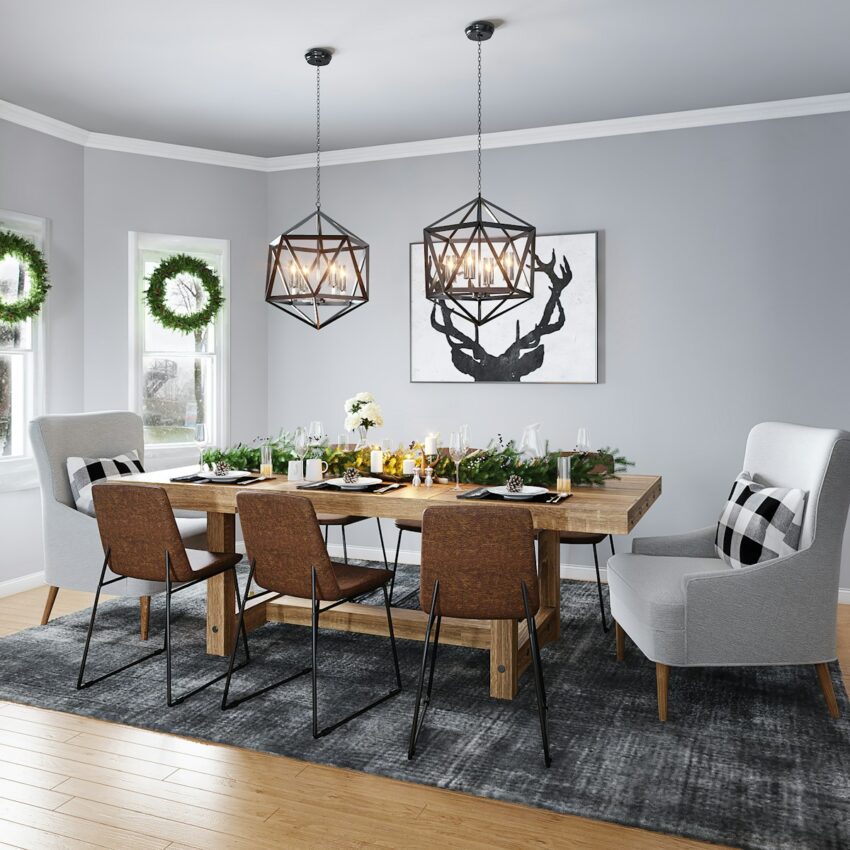
Clutter shows up fast once storage falls behind daily demands. Serving items are piled on tables. Shared essentials end up scattered across counters. Some households start with a modern buffet cabinet to keep dishes and linens organized. Others explore a modular sideboard later as needs grow or change.
Small adjustments in how storage is planned can make a dining space easier to use. You don’t need a full remodel to feel the difference.
Why Dining Spaces Feel Less Functional Over Time
Dining rooms are no longer single-purpose spaces. The days of reserving this room for Sunday dinners are long gone.
Items slowly accumulate over time. Tableware, seasonal décor, office supplies, and kids’ materials all compete for the same shelves. Meanwhile, furniture often stays the same while daily habits shift. You might still have the same cabinet from five years ago, but your family has grown, and new activities now happen at the dining table.
The result is a space that looks fine on the surface but feels harder to use every day. You spend more time searching for things. Surfaces stay cluttered longer. Resetting the room after meals takes more effort than it should.
How Everyday Habits Shape Storage Needs
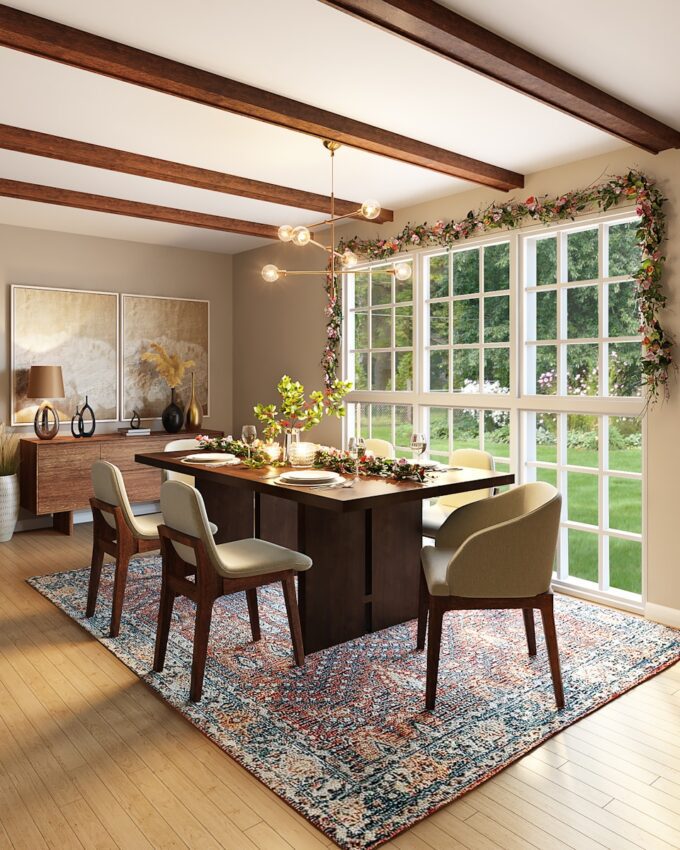
Consider how you actually use your dining area day to day. Meals may only happen once or twice, but the space often stays active for hours in between. Kids do homework there. Adults work from laptops. Board games are spread across the table on weekends.
Storage needs shift based on several factors:
- Family size and ages
- Daily routines and schedules
- Shared activities beyond meals
- Seasonal items that rotate in and out
Functional spaces reflect real habits, not ideal layouts from a magazine. Take a few days to notice patterns. Which items do you reach for most often? What keeps ending up on the table instead of in a drawer? These observations tell you more than any design guide.
The Role of Flexible Storage in a Busy Dining Area
Storage works best when it supports multiple uses. A cabinet that only holds formal dinnerware might sit mostly unused. A unit that adapts to daily needs earns its space every day.
Adjustable layouts help prevent constant rearranging. Shelves that move up or down accommodate items of different heights. Drawers that divide in different ways organize everything from napkins to notebooks.
Closed storage reduces visual clutter without hiding essentials too far away. You want items accessible but not always visible. This balance keeps the room calm during busy weeks. Flexibility allows the room to adapt without replacing everything. Your needs at this stage of life won’t match your needs five years from now. Storage that adjusts grows with you instead of against you.
Group Items by Frequency of Use
Traditional organizing puts all plates together, all linens together, all office supplies together. This approach means reaching into multiple spots throughout the day.
Try grouping by how often you use things instead. Daily items like dishes, placemats, and chargers should stay within easy reach. Weekly items such as serving bowls and tablecloths can go a bit farther away. Occasional items like holiday décor belong in higher cabinets or harder-to-reach spots.
This simple shift reduces the back-and-forth during meals and cleanup.
Keep Daily Items Closer to the Table
The fewer steps between where you sit and where you store, the easier the cleanup becomes. Place daily-use items in the storage closest to your dining table. Move occasional items farther away.
Avoid filling every shelf. Leave room for future changes. A packed cabinet makes adding new items stressful. A little space gives you options as routines shift.
Think of storage as supporting flow, not just holding things. Ask yourself: Does this setup help me move through dinner prep and cleanup smoothly? If you’re constantly walking around furniture or shuffling items, something needs adjusting.
Make the Space Easier to Maintain
Functional spaces reset quickly after use. That’s one of the clearest signs that storage is working.
Clear storage zones reduce decision fatigue. You know exactly where something goes, so putting it away takes seconds. Aim for what organizers call “one-motion storage.” This means you can put something away with a single action. Open a drawer, drop it in, close. No stacking, no rearranging, no squeezing things to fit.
Cleanup becomes routine instead of a project. You can reset the room in five minutes instead of thirty. Even during busy weeks, the space stays usable. A dining room that stays functional under pressure reduces stress. One that falls apart adds to it.
Conclusion
Function often improves through small, thoughtful changes. You don’t need to replace everything or redesign the whole room.
Storage that reflects real habits makes the dining space feel calmer and easier to live with. You spend less time managing the room and more time using it. The goal is not perfection. It’s a setup that supports everyday life as it actually happens.
Start with one small change. Notice how it affects your routine. Then adjust from there.