
A fresh coat of paint can make tired cabinets look charming again, but it rarely fixes the everyday irritations that push people toward a kitchen refresh in the first place. Sticky drawers, crooked doors, and limited storage all take a toll over time. For some homeowners, paint feels like the right solution. Others eventually want more than a quick facelift and start craving a real change in how their kitchen looks and works. Cabinets set the tone for the whole room, so even small tweaks can feel huge. The real decision is whether fresh color on the fronts is enough or if rebuilding the cabinets themselves will give you the kind of improvement that actually feels worth the effort.
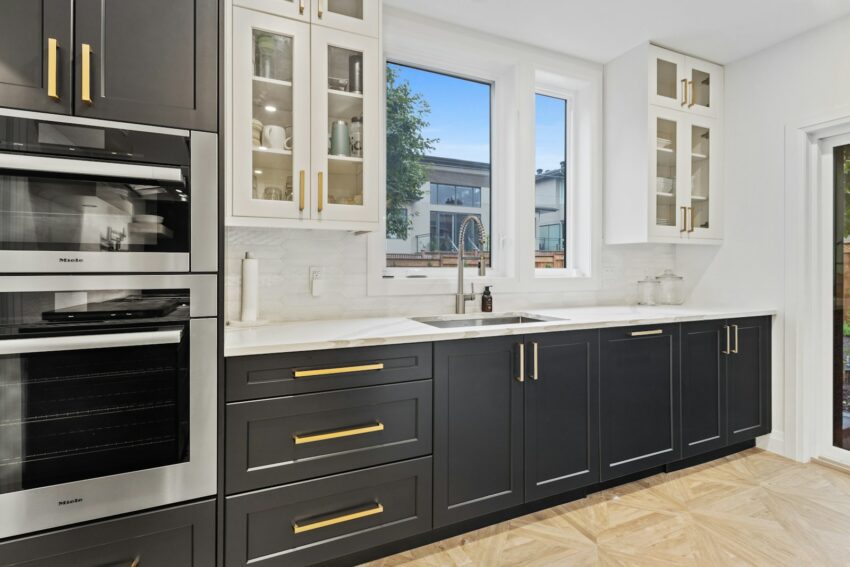
The Case for Painting Your Cabinets
Painting works well when the foundation is strong. If the doors close cleanly and the boxes feel sturdy, color can shift the mood of the entire room. The cost is appealing, and the supplies are easy to gather. Many DIYers enjoy the process because it feels hands-on and creative.
The work still demands patience. Removing hardware, sanding the surfaces, and setting up a dust-free drying zone all take time. The final look depends heavily on prep. Painted cabinets can chip in busy areas, especially near the sink or along frequently opened drawers. Touch-ups eventually become part of the routine, but for many families, this tradeoff is worth it. A painted kitchen can look bright and refreshed without a large investment.
The Case for Replacing Your Cabinets
Replacement tends to make sense when the layout feels awkward or the cabinets show their age in more serious ways. New cabinets change how a kitchen works day to day. You gain sturdier materials, smoother hardware, and storage that fits the way your household actually cooks and cleans. It is a chance to introduce deeper drawers, corner solutions or pull-outs that clear the clutter.
The project requires more planning and a higher budget, yet the long-term payoff is substantial. New cabinets hold up better through constant use and create a space that feels easier to maintain. For homeowners who want a dependable, long-term improvement, replacement can turn a frustrating kitchen into one that feels comfortable and efficient.
When Custom Cabinets Are Worth the Investment
Some kitchens resist small changes. If you always end up stacking cereal boxes wherever they fit or awkwardly shuffling pots to reach the one you need, the issues usually run deeper than color. Custom cabinetry addresses these daily frustrations by shaping the storage around your routines. Taller uppers can reach the ceiling for extra space. Deep drawers can handle heavy cookware. Thoughtful dividers and pull-outs keep everything visible and within reach.
Homeowners who work with K Graber Construction often look for this level of detail. The focus shifts to how the room feels during everyday tasks and where the current layout falls short. Quality materials and a layout designed for the space create cabinets that remain sturdy and usable long after a painted finish would start to show wear.
Side-by-Side Comparison: Painting vs. Replacing
It helps to think about how these two choices hold up over time. Painting offers a quick visual lift when the cabinet boxes are still in good condition. Most of the cost comes from supplies and the hours you put into the project. The drawback is durability. Busy families often notice chips in the places they reach most.
Replacing cabinets requires a larger budget but changes the kitchen at a deeper level. New materials and better construction affect how solid everything feels years from now. This Old House shares a detailed look at how kitchen cabinets are built and what affects their lifespan, which can help you understand the difference between a short-term refresh and a long-term upgrade.
Looking at cost, effort, durability, and the way you move through your kitchen usually makes the stronger option stand out.
How to Decide What’s Right for Your Home
Start with what frustrates you most. If the color feels tired but everything still functions smoothly, painting is an appealing choice. You get a noticeable change without tearing the room apart. It is also easy to break the work into stages if you need to fit it around a busy schedule.
If your frustrations come from how the kitchen works rather than how it looks, take a closer look. Stiff drawers, crooked doors, or cabinets that swallow items are signs that a deeper upgrade will serve you better. Think about how often you find yourself irritated by the layout or reaching awkwardly for something you use every day.
Budget and timing also shape the decision. Painting takes more hours than most people expect, but you can spread the project out. Replacement requires a larger financial commitment and a clearer time window. The difference is longevity. If you plan to stay in the home and want a kitchen that works reliably for years, replacement may be the smarter option.
The right answer depends on how you use your kitchen, the condition of what you already have, and how long you plan to stay in the space. When those pieces line up, the choice feels more straightforward.
Ready to Make a Change? Here’s Where to Start
If paint feels right, gather the basics before you begin. A strong cleaner, a reliable primer and fine-grit sandpaper make a noticeable difference in the final finish. Set aside enough drying time so the paint can cure without dust settling on the surface.
If replacement seems like the better path, outline how you want the room to function. Note where clutter gathers or where you always run out of space. A simple sketch with a few ideas can reveal which changes would matter most.
Examples of small kitchen renovation ideas show how thoughtful cabinet placement and smarter storage can free up counter space in a compact room. Use that inspiration to pinpoint which upgrades might make your own kitchen feel easier to live in.
Whether you choose a new color or a brand-new setup, the goal remains the same. A kitchen that feels comfortable, practical, and enjoyable to spend time in.