
With almost 40 million residents, California is the most populous state in the nation. It is known as the center of the entertainment industry and technological innovation. However, California’s dry conditions and seasonal winds make it one of the most wildfire-prone regions in the United States.
When these fires spread, they can destroy homes, businesses, and entire neighborhoods within hours. Victims may be able to claim several types of damages, including property damage, medical expenses, lost income, and emotional distress, depending on the impact of the fire.
After such devastating events, many victims seek guidance from a wildfire lawyer in California to understand their legal rights and the types of damages they may be entitled to. A wildfire lawyer helps victims evaluate their losses, gather evidence, and pursue claims against responsible parties.
Let’s dig deep to learn more.
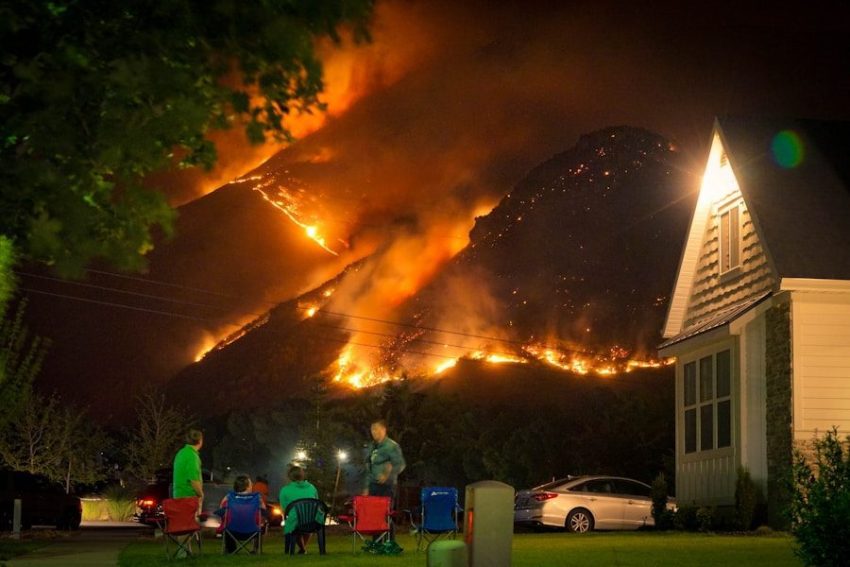
Understanding the Type of Wildfire Damages
Recovering wildfire damages refers to the financial compensation people pursue for the losses caused by a fire, especially when negligence or faulty equipment may have played a role. Understanding the different types of damages that can be claimed is an important first step in the recovery process.
Property Damage
Property damage is usually the most immediate and visible loss after a wildfire. Homes, garages, fences, and vehicles can be destroyed or severely damaged.
Common property-related claims include:
- Repair or rebuilding costs for homes
- Damage to vehicles and outdoor structures
- Loss of appliances and electronics
- Restoration of landscaping and yards
A wildfire lawyer carefully evaluates these damages to ensure nothing is overlooked when filing a claim.
Loss of Personal Belongings
Wildfires often move quickly, leaving people little time to gather their belongings. As a result, families may lose valuable items inside their homes.
These losses may include:
- Clothing and household items
- Jewelry and collectibles
- Furniture and electronics
- Personal keepsakes, such as photo albums
While some items carry emotional value, compensation claims typically focus on their financial replacement cost.
Temporary Housing and Relocation Costs
When homes are damaged or destroyed, families may need to relocate temporarily. This can create unexpected expenses that quickly add up.
Victims may be able to claim compensation for:
- Hotel or rental accommodation
- Moving and storage expenses
- Increased daily living costs
A wildfire lawyer helps ensure these relocation expenses are included as part of the damages.
Lost Income and Business Losses
Wildfires can disrupt employment and business operations. Evacuation orders, damaged workplaces, or road closures can prevent people from earning their usual income.
Potential compensation may include:
- Lost wages from missed work
- Loss of business revenue
- Temporary business closures
These financial impacts are often an important part of wildfire-related claims.
Medical Expenses and Health Effects
Wildfires can cause serious health issues, particularly due to smoke and extreme heat. Some victims suffer burns, breathing problems, or other medical conditions.
Claims may cover:
- Emergency medical treatment
- Hospital bills and medications
- Respiratory care or therapy
- Ongoing medical treatment
Medical documentation often plays a key role in proving these damages.
Emotional Distress and Trauma
Beyond physical and financial losses, fires can have a lasting emotional impact. Losing a home or experiencing a dangerous evacuation can be extremely stressful.
Compensation may be available for:
- Emotional distress
- Psychological trauma
- Anxiety related to the event
- Reduced quality of life
These damages recognize the mental and emotional burden that wildfire victims may face.
Final Thoughts
- Wildfires can cause several types of damage, including property loss, medical costs, and lost income.
- Victims may also claim relocation expenses and compensation for emotional distress.
- Proper documentation is essential when filing wildfire claims.
- A wildfire lawyer helps identify all possible damages and pursue fair compensation.