
Most homeowners think about water only when something goes wrong. Yet when you travel or rely on a house sitter, even minor plumbing issues can create unnecessary stress for everyone involved.
A basic understanding of how water moves through your home helps you stay in control when you are not there. It allows you to set clear expectations, reduce avoidable surprises, and protect your property without turning maintenance into a full-time concern.
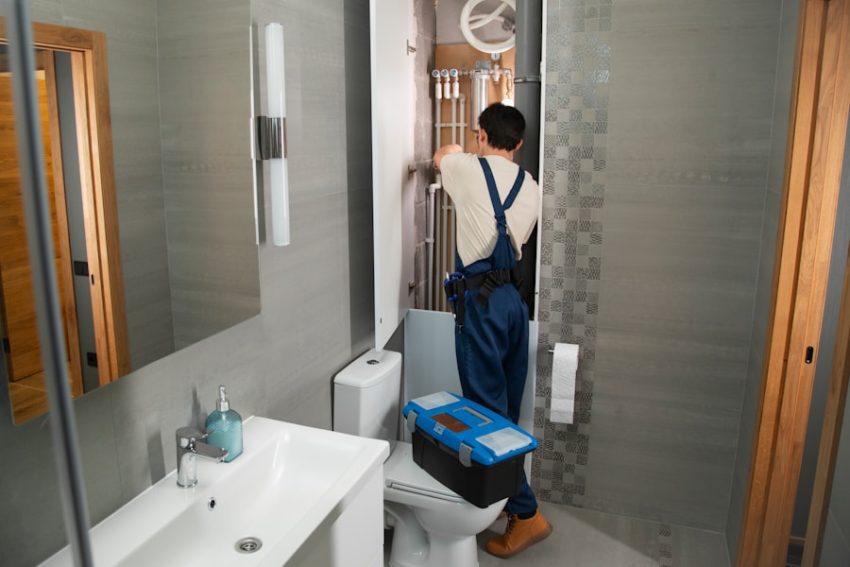
How Incoming Water Supply Systems Work
Water enters your home through a main supply line that feeds every fixture and appliance. A shutoff valve controls that flow, allowing the entire system to be isolated if pressure changes, leaks, or pipe failures occur. Property owners who understand this setup can respond faster when something goes wrong.
Most incoming systems also include a pressure regulator and a water meter before the lines branch out through the structure. The regulator keeps pressure within a safe range, while the meter tracks usage and can reveal hidden leaks. Knowing where these components sit and what they do helps owners spot abnormal readings, pressure drops, or moisture early, before minor issues turn into costly repairs.
Emergency Shutoff and Damage Control
Water emergencies escalate fast. A burst pipe or failed connection can flood rooms in minutes and soak materials that were never meant to get wet. Knowing where your main shutoff valve is and how to operate it gives you immediate control when something goes wrong.
Once the flow stops, damage control begins. Standing water needs to be removed quickly, and wet surfaces must be dried to prevent mold and material breakdown. In severe cases, professional water damage restoration may be necessary to address hidden moisture inside walls, floors, and structural cavities.
Understanding Drainage and Wastewater Flow
Once water leaves sinks, showers, and appliances, it relies on gravity and clear pathways to exit the home safely. Drain lines, traps, and venting work together to move wastewater away while preventing sewer gases from coming back inside. When this balance is disrupted, problems tend to surface quickly.
Slow drains, gurgling sounds, or recurring odors often signal a developing blockage rather than a single clog. If these signs are ignored, wastewater can back up into fixtures and create hygiene issues. Understanding how drainage works helps property owners recognize early warnings and take action before minor flow problems turn into messy, costly situations.
Hot Water Systems and Their Risk Points
Hot water systems work under higher pressure and temperature than cold supply lines, which makes small faults more noticeable. Whether a home uses a tank system or a tankless setup, components like pressure relief valves, thermostats, and connecting pipes deserve attention.
Issues often start quietly. Inconsistent temperatures, unusual noises, or slow recovery times can point to buildup, valve failure, or pressure imbalance. When a home sits empty or is occupied by a sitter, these warning signs matter. Understanding where hot water systems tend to fail helps owners address problems early and avoid sudden loss of hot water or water damage.
Hidden Leak Zones Property Owners Often Miss
Not all water problems announce themselves. Some of the most damaging leaks develop in places that are easy to overlook, especially when a home is not in daily use. Areas beneath sinks, behind washing machines, and around dishwashers are common starting points.
Pipes running through cabinets, walls, or ceilings can also leak slowly without obvious signs. Moisture may show up as warped surfaces, musty smells, or unexplained changes in water pressure. Knowing where these hidden zones exist helps property owners and sitters stay alert and catch issues before they spread beyond a simple repair.
Preparing Water Systems for Extended Absences
Extended absences put extra pressure on household water systems because small changes often go unnoticed. Preparing in advance helps reduce risk and gives house sitters the confidence to act if something seems wrong.
- Isolate Non-Essential Lines: Shut off outdoor taps, irrigation systems, and unused fixtures to limit exposure if a pipe fails.
- Adjust Hot Water Settings: Lowering the temperature or using vacation mode reduces pressure buildup and energy waste while the home is empty.
- Inspect Visible Pipework: Check under sinks, around appliances, and in utility areas for early signs of wear or moisture.
- Share Basic System Knowledge: Make sure sitters know where the main shutoff valve is and what changes in pressure or sound should raise concern.
Wrapping Up
Understanding your home’s water systems is about staying ahead of problems, not reacting to them. When owners know how supply, drainage, and hot water systems behave, they reduce risk during absences. That awareness protects the property, supports house sitters, and keeps small issues from becoming costly disruptions.