
Texas is known for its vast landscapes, diverse terrain, and wide-open skies that stretch across miles of countryside. From arid regions like the Panhandle to expansive grasslands and rural communities, parts of the state are especially vulnerable to wildfires due to dry conditions and strong winds. In these areas, a small spark can quickly turn into a fast-moving fire, transforming a calm environment into a dangerous situation within hours.
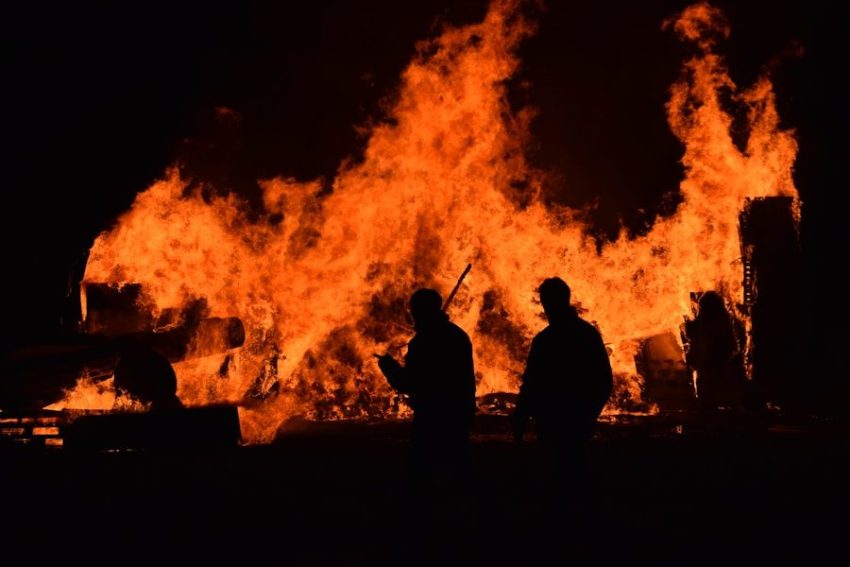
When a wildfire damages homes, businesses, or farmland, the aftermath can feel overwhelming. In simple terms, the most important step is to protect your rights, document your losses, and consider speaking with a wildfire attorney who understands how to handle fire-related claims.
Lawyers representing victims of the Texas Panhandle fire can handle fire-related claims smoothly. They help understand whether negligence, utility failures, or other factors contributed to the disaster and what legal options may be available.
Here’s what to do if your property was damaged in the wildfire.
Ensure Safety Before Returning to Your Property
After a wildfire passes, authorities may restrict access to affected areas until it is safe. Even when the flames are gone, hazards like weakened structures, hot spots, and damaged utility lines can remain.
Always wait for official clearance before returning to your property. Once access is permitted, walk through the area carefully and avoid touching unstable structures or electrical equipment.
Document All Property Damage
Before removing debris or beginning repairs, take time to thoroughly document the condition of your property.
Make sure to:
- Take clear photos and videos of all damage
- Document damaged buildings, vehicles, fences, and land
- Create a list of destroyed or affected belongings
- Keep records of any emergency repairs
Detailed documentation helps establish the full extent of your losses and can prevent disputes later.
Understand What Caused the Fire
Wildfires can start in many ways. While some occur naturally, others may result from human error or infrastructure failures.
Investigations often examine causes such as:
- Faulty electrical equipment or power lines
- Negligent land management
- Industrial sparks or machinery
- Poorly maintained utility infrastructure
If negligence played a role in the wildfire, affected property owners may have the right to pursue compensation beyond their insurance claims.
Notify Your Insurance Company Immediately
Once the damage has been documented, contact your insurance provider as soon as possible. Most insurance policies require timely reporting after a disaster.
During this process:
- Keep copies of all claim paperwork
- Write down the names of insurance representatives you speak with
- Save emails and written communication
- Record any settlement offers made
Keep Records of All Recovery Expenses
The financial impact of wildfire damage often goes beyond visible property loss. Many victims face additional expenses while trying to rebuild their lives.
Be sure to keep records of costs such as:
- Temporary housing or hotel stays
- Property cleanup and debris removal
- Emergency repairs
- Replacement of personal belongings
- Lost business income if the property was used commercially
Maintaining detailed records can strengthen both insurance claims and legal cases.
Final Takeaways
- Wait for official clearance before returning to your property.
- Document all damage with photos, videos, and written notes.
- Notify your insurance company as soon as possible.
- Investigate the possible cause of the wildfire.
- Consult a wildfire attorney if negligence may have contributed to the fire.
Recovering from wildfire damage takes time, but understanding your options and acting early can make a meaningful difference.