
When you’re setting up a hot tub, the jets, lighting, decking, and landscaping get the spotlight. They’re the parts you show off. What hardly anyone mentions is the cover, the lid that sits there when it’s not in use, quietly determining how well the tub functions, how much energy it uses, how comfortable it remains, and how long it lasts.
Most homeowners treat the hot tub cover like an afterthought. They buy the one that came with the tub or grab a generic replacement when needed. But the smart homeowners are realizing that custom hot tub covers are one of the most cost-effective upgrades they can make and one of the least implemented.
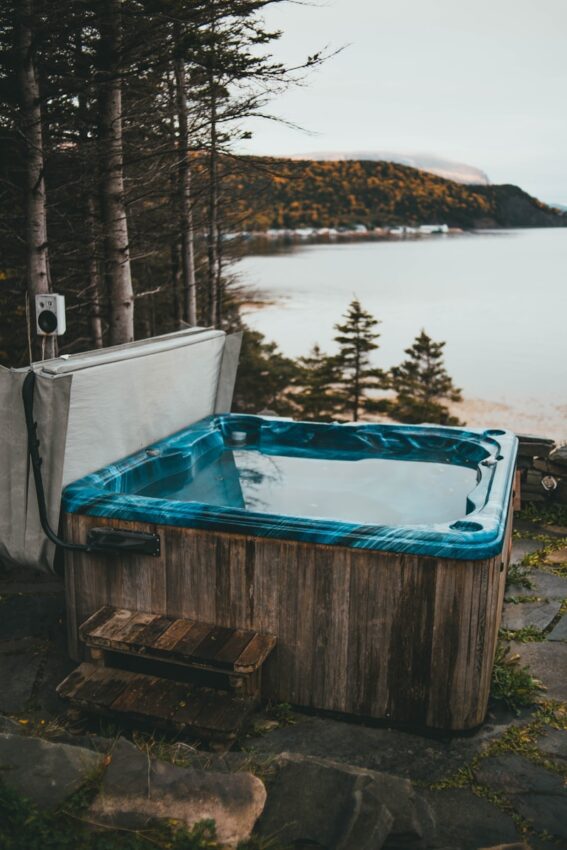
Here’s what a custom cover actually delivers, why so many standard ones fall short, how to evaluate the real features, and what you should look for if you decide to upgrade.
Why Standard Covers Often Fail the Backyard Test
The story often goes like this: you install a tub. It works great. Then the weather changes. The snow accumulates. The sun blasts UV. Leaves and debris gather. Pets jump on it. Over time the cover sags. It gets heavy. The foam absorbs water. Heat escapes. Chemicals fade. Maintenance costs creep up. The hot tub becomes more problem than retreat.
None of that is because the tub failed. It is because the cover was never designed for your environment. Generic covers are made to fit models at best. They are built to minimum specifications. They assume predictable conditions. They assume perfect usage. They do not allow for backyard realities.
A custom cover, by contrast, is designed for your specific shape, climate, site conditions, usage pattern, and expectations. That difference matters.
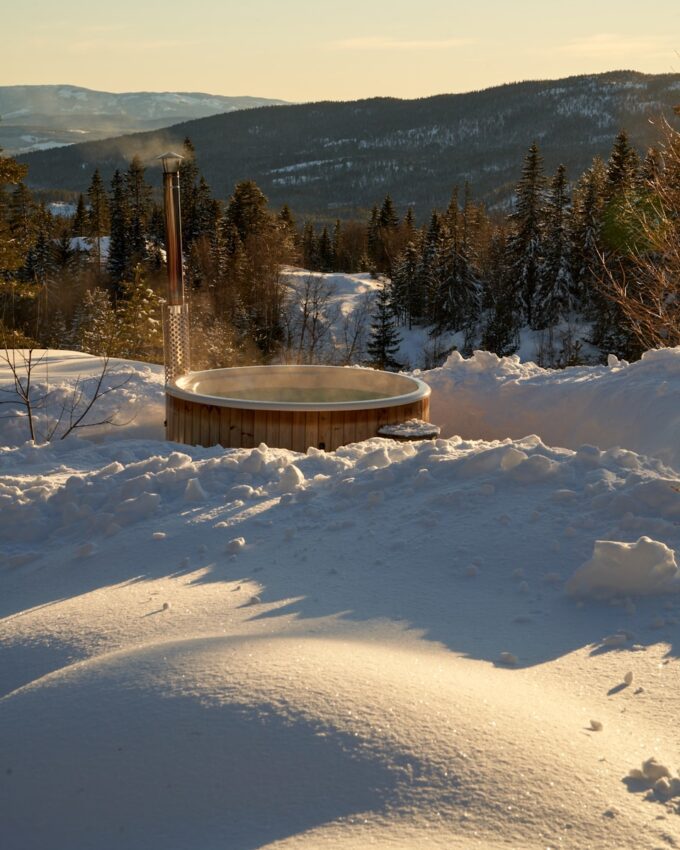
What a Custom Cover Actually Delivers
Precision Fit
When the cover fits exactly, edge seals tighten, heat loss drops, and the load on the heater becomes manageable. Without a proper fit you get gaps, sag, water absorption, and inefficient heating.
Better Insulation
High-quality foam cores, often tapered to shed water and sleet, maintain integrity over time. Standard covers use lighter foam that breaks down faster and loses insulation. A strong core saves heat and reduces energy bills.
Durable Materials
Marine-grade vinyl, reinforced stitching, reinforced hinges, thicker skirt, weather-protected hardware, all features you rarely find on basic covers. Backyard exposure is brutal. Materials matter.
Real Weather Resistance
Snow load, UV rays, wind, rain, debris: they combine. Generic covers bend. Custom covers endure. For example, some custom covers are built with foams that hold shape in minus temperatures or shed heavy snow loads without warping.
Energy Efficiency
When your cover stops being a heat trap and starts being an insulator, the heater works less. The difference in operating cost is real. An upgraded cover can reduce power use by hundreds of dollars a year in colder climates.
Longevity & Maintenance
Custom covers wear slowly because they’re built with higher spec materials. Fewer replacements. Less hassle. The cost spread becomes favorable.
How to Know If Your Hot Tub Needs a Custom Cover
Some simple checks will tell you your current cover isn’t holding up:
- It’s structurally sagging or fluid-filled at the top
- It feels heavier than when you bought it
- You see water, condensation, or mold collecting under the cover
- The heater cycles too frequently or struggles to reach temperature
- The surface is cracked or split or the vinyl is worn thin
- Snow or debris is deforming the lid rather than shedding it
- Edges don’t meet the shell neatly
- You’re spending more on chemicals or cleaning to maintain water quality
When you see these signs, a replacement is not optional… it is overdue.
What to Look for in a Replacement Cover
When you start the upgrade process, you’ll find many options. Here are the features that define a high-performance custom hot tub cover:
- Foam core thickness and type (closed cell is better)
- Tapered foam “peak” design (for water drainage)
- Marine-grade UV-resistant vinyl exterior
- Reinforced seams and stitching
- Weather-hardened hinges and hardware
- Proper skirt length for your tub deck configuration
- Custom sizing or measured dimensions for your model
- Thermal seal around edges (optional)
- Warranty or durability guarantee
And when pricing, remember: you’re buying fewer problems and repair costs in the future. The upfront cost is one part. The savings later is the bigger part.
Why You Should Consider Upgrading Now
If you’ve been postponing this upgrade, here are reasons to act now:
- You’re extending the life of your hot tub without buying a new one
- You’re reducing your energy bills, value return starts immediately
- You’re improving comfort and usability (fewer heat loss issues)
- You’re improving water quality and reducing chemical use
- You’re enhancing the look of your backyard setup
- You’re investing once and forgetting about the cover for years
Delaying means paying more in the meantime. The cover often pays for itself in the first few years. Upgrading early is smart.
What About Cost & Value?
Yes, custom covers cost more than off-the-shelf ones. But you must look at total cost of ownership:
- replacement frequency lower
- energy cost savings
- heater wear reduction
- water and chemical savings
- fewer maintenance interruptions
- better resale appeal if you sell your home
From a value standpoint, high-quality custom covers often outperform cheaper ones when you include hidden costs.
Real Homeowner Stories
Many homeowners report immediate improvements:
- A tub that once took forever to heat now reaches temp quickly
- A family that ran out of budget each maintenance cycle now only spends a fraction
- A cover that once leaked now sheds rain and snow like a shed roof
- The frustration of handling a heavy lid is gone and lifting becomes simple
These are not marketing slogans. They’re simple functional improvements you notice in the first weekend.
Where to Go From Here
If you’re ready to upgrade:
- Measure your hot tub shell precisely (corners, skirt, hinge spacing)
- Consider the climate and exposure of your backyard
- Choose materials (cover foam, vinyl, hardware) appropriate to your conditions
- Order from a reputable manufacturer or supplier
- Install and test: watch how your heater behavior and surface feel changes
- Maintain the cover (cleaning, vinyl conditioning)
The Wrap Up
Hot tubs are luxurious because they simplify relaxation. But every luxury has a weak link. For most hot tubs, that weak link is the cover. It sits silently, ignored, until it fails and turns your backyard retreat into a complicated maintenance zone.
Upgrading to a custom cover is one of the most practical improvements you can make. It optimizes heat retention, improves water quality, reduces bills, respects your investment, and elevates your outdoor space. It is not exciting in the way landscaping or lighting is, but it is far more impactful.
And best of all: you can order the cover, install it, and immediately feel the change. The tub heats faster. The water stays warmer. Your usage increases. The bills stop creeping up. Everything falls into place.
If you’ve been ignoring the cover, consider this your wake-up call. Your hot tub will thank you. And so will your wallet.