
You don’t need a full renovation or a designer budget to make a room feel new. Sometimes, all it takes is the right fabric in the right place. Whether it’s a bold print, a rich texture, or a fresh colour palette, statement fabrics have the power to change the mood of a space.
As interior designer Nate Berkus once said, “Your home should tell the story of who you are, and be a collection of what you love.” Thoughtfully chosen fabrics are one of the easiest ways to tell that story, without committing to permanent or costly changes.
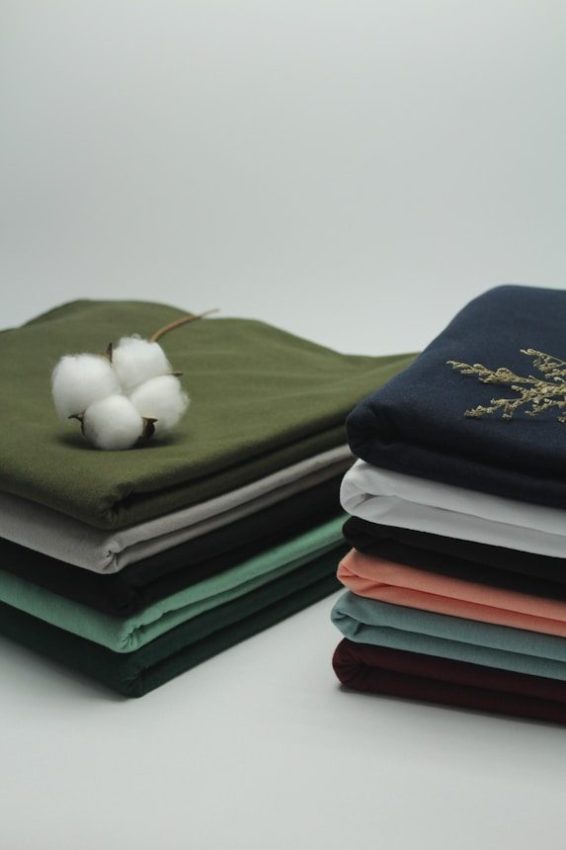
If you’re looking to refresh your home on a budget, here’s how to use statement fabrics to make a meaningful impact.
Start Small, Think Big
When working with a limited budget, it’s tempting to hold off until you can afford a full room makeover. But small updates often have the biggest visual payoff.
Start by introducing statement fabric through:
- Cushion covers
- Throws
- Table runners
- Lampshades
These smaller pieces let you experiment with patterns and colours without overwhelming the room or your wallet.
Design experts often highlight the importance of layering in interiors. According to Emily Henderson, stylist and author, “Layering is what makes a space feel finished and lived-in.” Fabric is one of the easiest ways to achieve this layered look.
Choose a Focal Point
Statement fabrics work best when they have space to shine. Rather than spreading bold patterns across every surface, pick one focal point and build around it.
This could be:
- A reupholstered armchair
- Floor-length curtains in a striking print
- A DIY headboard
For example, choosing a bold floral or geometric fabric from Terrys can instantly draw the eye and anchor the rest of your décor. Once you have that focal point, you can pull complementary colours into smaller accents around the room.
This approach keeps the space cohesive rather than chaotic.
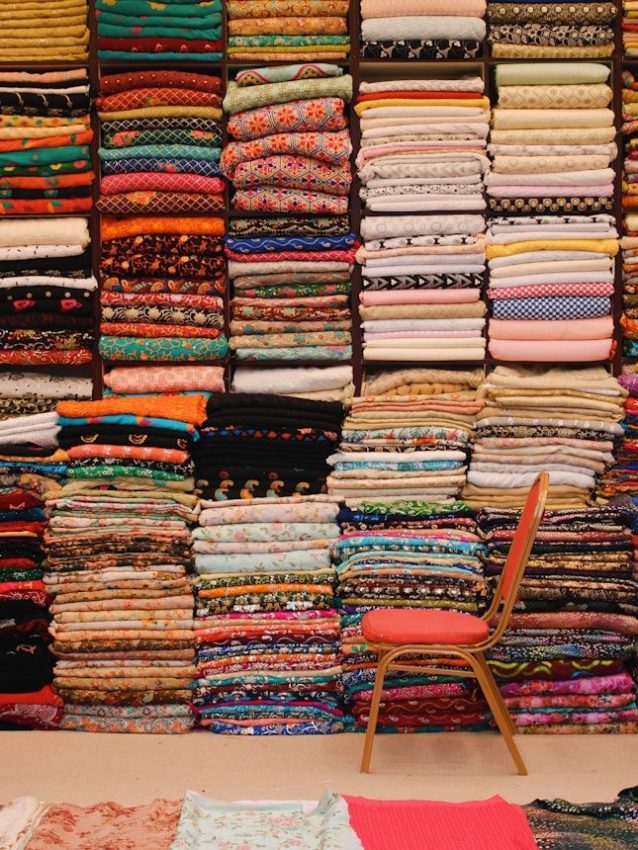
Mix Patterns the Right Way
Mixing patterns can feel intimidating, but it’s one of the most effective ways to create a designer-style interior on a budget.
A simple rule to follow:
- Pair one large-scale pattern with a smaller one
- Keep a consistent colour palette
- Add a neutral to balance everything out
For instance, a large botanical print can work beautifully alongside subtle stripes or textured solids in similar tones.
Fashion designer Iris Apfel, known for her bold use of pattern, once said, “More is more and less is a bore.” While that philosophy can be inspiring, balance is still key in home décor. The goal is visual interest, not overwhelm.
Reupholster Instead of Replacing
Buying new furniture can be expensive, but reupholstering gives you a second chance to fall in love with pieces you already own.
Look at:
- Dining chair seats
- Footstools
- Headboards
- Accent chairs
A tired piece of furniture can feel brand new with a fresh fabric covering. This is especially useful if you’ve found something second-hand that has great structure but an outdated style.
Not only does this save money, but it’s also a more sustainable choice, something that’s becoming increasingly important in home design. According to a 2023 report by the Ellen MacArthur Foundation, extending the life of home products plays a key role in reducing household waste.
Use Curtains to Transform Light and Space
Curtains are often overlooked, but they can completely change how a room feels.
Statement curtains can:
- Add height when hung closer to the ceiling
- Make a space feel softer and more inviting
- Introduce colour without permanent commitment
Light, airy fabrics can brighten a room, while heavier materials like velvet add warmth and depth.
Interior designers frequently use curtains as a design tool, not just a functional one. The right fabric can diffuse natural light beautifully, creating a softer, more relaxed atmosphere.
Create DIY Pieces That Feel Custom
One of the best things about using fabric in your décor is its versatility. With a little creativity, you can create pieces that feel bespoke, without the designer price tag.
Try:
- Framing fabric as wall art
- Creating a fabric-covered notice board
- Sewing simple cushion covers
- Making a tablecloth or runner
These projects don’t require advanced sewing skills. Even no-sew options, like fabric glue or iron-on hemming tape, can produce polished results.
As designer William Morris famously said, “Have nothing in your house that you do not know to be useful, or believe to be beautiful.” DIY fabric projects tick both boxes. They’re practical and personal.
Play with Texture, Not Just Pattern
When people think of statement fabrics, bold prints usually come to mind. But texture can be just as impactful.
Consider:
- Linen for a relaxed, natural feel
- Velvet for richness and depth
- Woven or embroidered fabrics for added detail
Texture adds dimension, especially in neutral spaces. A room with a soft colour palette can still feel dynamic through a mix of materials.
This approach is ideal if you prefer a more understated look but still want visual interest.
Refresh Seasonally Without Overspending
One of the biggest advantages of decorating with fabric is flexibility. Unlike paint or furniture, fabric elements are easy to swap out as the seasons change.
For example:
- Lighter cottons and florals in spring and summer
- Warmer tones and heavier textures in autumn and winter
This keeps your home feeling fresh throughout the year without requiring a full redesign.
Retail and lifestyle research consistently shows that small seasonal updates can boost satisfaction with living spaces. A 2022 survey by Houzz found that homeowners who regularly update soft furnishings report higher enjoyment of their homes compared to those who don’t.
Stick to a Budget (Without Sacrificing Style)
Transforming a room on a budget doesn’t mean compromising on quality. It just means being strategic.
A few tips:
- Prioritise high-impact areas (like seating or windows)
- Buy fabric by the metre for flexibility
- Repurpose leftover fabric for smaller projects
- Look for durable materials that will last
It’s also worth planning your project before purchasing anything. This helps avoid waste and ensures everything works together visually.
Conclusion
Statement fabrics are one of the most accessible ways to transform your home. They offer colour, texture, and personality without the need for major renovations or large budgets.
By focusing on key areas, mixing patterns thoughtfully, and embracing simple DIY projects, you can create a space that feels both stylish and uniquely yours.
As Nate Berkus reminds us, your home should reflect your story. With the right fabrics, even the smallest changes can make that story feel richer, warmer, and more complete.
References
- Berkus, N. (Interior Design Philosophy Quotes)
- Henderson, E. Styled: Secrets for Arranging Rooms
- Ellen MacArthur Foundation (2023), Circular Economy and Home Goods
- Houzz (2022), Home Design Trends Study
- Morris, W. (Design Philosophy Quotes)
- Apfel, I. (Fashion and Design Quotes)