
Pest problems rarely begin with something obvious. Most homes do not go from clean and quiet to visibly infested overnight. What usually happens instead is far less dramatic: a few unnoticed crumbs behind an appliance, a damp spot under the sink, a gap near a door frame, or clutter that creates the perfect hiding place. Small conditions like these can quietly make a home more inviting long before the homeowner sees a single insect or rodent.
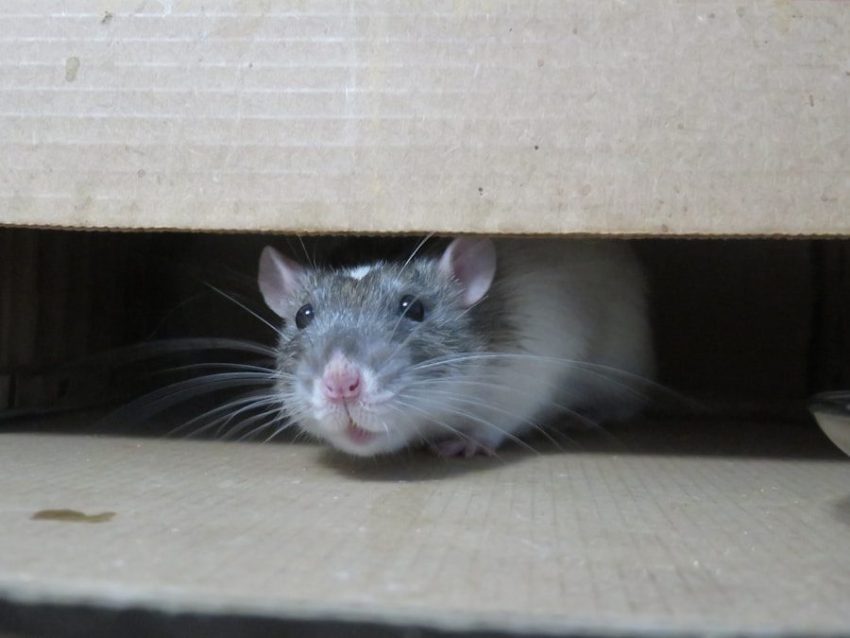
That is what makes early warning signs so easy to miss. Strange odors, faint scratching sounds, droppings mistaken for dirt, or damaged food packaging can all seem minor on their own. Together, though, they often point to a bigger issue taking shape in the background. Knowing what to look for helps homeowners catch the problem earlier, protect the home more effectively, and avoid letting a manageable issue turn into a much larger one.
The Clearest Signs Pests Are Being Drawn In
Recognizing early indicators is the first step toward getting ahead of a developing pest infestation. The signals below are grouped by type so they are easier to identify as they appear, whether you notice them through your senses first or spot physical evidence around the home.
Activity You Notice Before Seeing the Pest
Some of the most telling clues arrive through sound, smell, and behavior rather than direct sighting. A musky or ammonia-like odor near baseboards or behind appliances often points to mice or other rodents occupying a hidden space. Faint scratching or rustling sounds in walls or ceilings, particularly at night when the house is quiet, follow a similar pattern and are easy to dismiss as settling sounds until they become consistent.
Pet behavior is another early signal worth taking seriously. Dogs and cats detect the sounds and scents of rodents well before any visible evidence appears, so persistent fixation on a wall, cabinet, or floor vent is useful information rather than a quirk to ignore.
Traces Pests Leave Behind Indoors
Physical evidence tends to confirm what behavioral clues suggest. Droppings found along baseboards, inside cabinets, or near food storage areas point to rodents or cockroaches depending on their size and placement. Grease marks, which appear as dark smears along walls and floorboards, form where rodents repeatedly travel the same route. Gnaw marks on wooden furniture, food packaging, or electrical wiring indicate active nesting nearby.
Increased ant trails moving toward a fixed point, rather than wandering, suggest a consistent food or moisture source drawing them in. None of these signs should be treated as isolated annoyances, because that is precisely what allows a pest infestation to deepen without detection.
What Quietly Attracts Pests Inside the House
Moisture, Crumbs, and Everyday Food Access
Pests rarely enter a home without reason. Moisture is one of the most reliable attractants, and it is often hiding in plain sight. Leaky pipes under sinks, condensation around water heaters, and damp grout in bathrooms all create the kind of environment that cockroaches and rodents actively seek out.
Food access compounds the problem. Crumbs left on countertops, unsealed pantry goods, and pet food left out overnight are all consistent food sources that draw pests in and keep them coming back. Census Bureau data shows that pest presence is far more common in American homes than most residents expect, and food residue is a leading factor in that pattern.
The kitchen is the obvious hotspot, but bathrooms and utility rooms carry equal risk. A slow drip beneath a bathroom vanity or standing water near a washing machine creates enough moisture to sustain a colony of cockroaches for months without detection.
Clutter and Overlooked Storage Habits

Clutter does not just crowd a space. It gives pests somewhere to live undisturbed. Cardboard boxes stacked in garages, attics, or closets are particularly appealing to rodents, which use the material for nesting. The longer those boxes sit untouched, the more settled the activity inside them tends to become.
Overstuffed closets and rarely opened storage areas share the same problem. Pests thrive in low-traffic zones where human presence is infrequent. When recurring moisture, food access, and hidden harborage keep producing signs despite routine cleaning, the situation often moves beyond what a DIY approach can address. That is the point at which homeowners in humid regions frequently turn to Tennessee pest control services, where clutter-heavy storage areas are often where hidden activity is confirmed first during a professional inspection.
Mysterious allergy flare-ups that appear without an obvious seasonal cause can also signal something more. Pest droppings, shed skin, and dander from rodents circulate through a home’s air, triggering reactions that are easy to misattribute. That connection between unexplained symptoms and lived-in spaces is worth taking seriously.
The Outdoor Conditions That Invite Pests Closer
The exterior of a home does a lot of the early work for pests before they ever reach an indoor entry point. Understanding what draws them to the perimeter is just as important as recognizing the indoor signs covered in the previous sections.
Landscaping and Stored Items Near the Foundation
Overgrown vegetation pressed against the foundation creates shaded, sheltered corridors that ants, termites, and rodents use to move toward the house largely undetected. Mulch beds built up too close to exterior walls hold moisture against the foundation for extended periods, and termites are particularly drawn to that combination of damp soil and organic material sitting within easy reach of wooden structural elements.
Firewood stacked directly against the house adds another layer of risk. It provides both cover and a food source, making it a natural gathering point for termites and rodents alike. Keeping firewood stored at least a few feet away from the exterior, and off the ground where possible, removes one of the more overlooked attractants from the immediate perimeter.
Outdoor furniture, unused equipment, and stored containers follow the same logic. Anything that sits undisturbed against the house long enough creates the kind of sheltered environment that pests are drawn to, particularly in warm or humid conditions.
Small Openings That Make Entry Easy
Once pests gather near the foundation, what they need is a way in. Cracks and gaps along the exterior are far more common than most homeowners realize, and they do not need to be large to be useful. Rodents can pass through openings the size of a coin, and insects require even less space.
Weatherstripping around doors and windows deteriorates gradually, leaving thin gaps that go unnoticed until something has already moved through them. Utility lines, vents, and pipe entry points are equally vulnerable, especially where sealant has aged and pulled away from the surrounding surface. Moisture that accumulates near these entry points, whether from poor drainage or standing water where mosquitoes breed nearby, tends to accelerate the deterioration of seals and create additional pressure at the perimeter.
How to Tell a Minor Issue from a Bigger Problem
Signs That Point to Hidden Nesting or Spread
A single ant crossing the kitchen counter on a warm afternoon is easy to dismiss. The concern begins when patterns emerge across several days, or when a combination of clues appears at once rather than in isolation.
Droppings found consistently along the same baseboard, or inside a cabinet that is opened infrequently, are a strong indicator that rodents or cockroaches have settled rather than wandered through. Grease marks that darken the same stretch of wall week after week point to a regularly used travel route, which implies a nearby nest. Beyond the visible, evidence of spread deserves attention. Damaged food packaging in multiple areas, chewed entry points in different rooms, or an odor that has moved from one part of the house to another all suggest the activity is not contained to a single spot.
Plant damage near foundations, particularly around soil-level stems and roots, can point to subsurface insect activity that is easy to overlook until it reaches structural materials.
When Repeated Clues Mean It Is Time to Act
Bed bugs, termites, and rodents share one pattern: they leave evidence well before they are ever seen directly. Small rust-colored stains on mattress seams, hollow-sounding wood, or mice droppings appearing after a gap of a few days are not coincidental. They reflect ongoing activity.
The practical threshold is repetition over time. A single clue is worth noting. The same clue returning, or a new one appearing alongside it, shifts the picture from isolated to established. Ants trailing in the same direction on consecutive days, or sounds in walls that return each night, follow the same logic. At that point, the question is no longer whether something is present, but how far it has spread.
FAQ
How Can I Tell If Pests Are in My Walls?
Scratching, rustling, or gnawing sounds at night are the most common indicators of rodents moving through wall cavities. A persistent musky odor near baseboards or behind built-in furniture can also point to hidden activity. Droppings near gaps at floor level confirm what the sounds suggest.
Can a Clean House Still Attract Pests?
Yes. Even well-maintained homes attract pests when conditions are favorable. Moisture from a slow pipe leak, cracks and gaps along the foundation, or a pet’s water bowl left out overnight are all draws that have nothing to do with cleanliness. Pests respond to environment, not tidiness alone.
Why Is My Pet Acting Strange in One Area of the House?
Pet behavior is often the first reliable signal of hidden pest activity. Dogs and cats detect the sounds and scents of rodents long before any visible evidence appears. Persistent fixation on a wall, cabinet, or floor vent is worth treating as useful information rather than dismissing as a quirk.
Do Small Cracks Really Matter for Pest Problems?
They do. Entry points do not need to be large to be functional. Rodents can fit through gaps roughly the size of a coin, and insects require even less space. Cracks and gaps along the foundation, around utility lines, or beneath door frames are among the most common pathways pests use to move inside.
A Few Subtle Clues Often Show the Full Picture
Pest attraction is rarely the result of a single oversight. Moisture, food residue, shelter, and entry points tend to work together, each condition reinforcing the others until the environment becomes consistently hospitable.
That is why individual clues are easy to dismiss but patterns are not. A damp pipe, a cluttered storage corner, and a worn door seal may each seem minor in isolation. In combination, they create exactly the kind of layered vulnerability that allows a pest infestation to establish quietly over time.
The most useful shift a homeowner can make is learning to read repeated signals rather than waiting for an obvious one. When the same clue returns, or a second clue appears alongside the first, the picture becomes harder to ignore and far easier to act on before the problem deepens.