
Low water pressure is one of those daily frustrations that is easy to dismiss as a minor inconvenience. A weak shower, a slow-filling washing machine, taps that trickle when they should flow — most people assume it is just how older homes work and get used to it.
But in many cases, poor water pressure throughout a home is not a quirk of the building — it is a symptom. Aging pipes corrode and narrow on the inside over time, and that progressive buildup directly restricts how much water can move through the system. The house itself is fine. The plumbing inside it is the problem.
Here is a practical look at seven ways repiping addresses the root causes of pressure loss and restores consistent water flow to every part of a home.
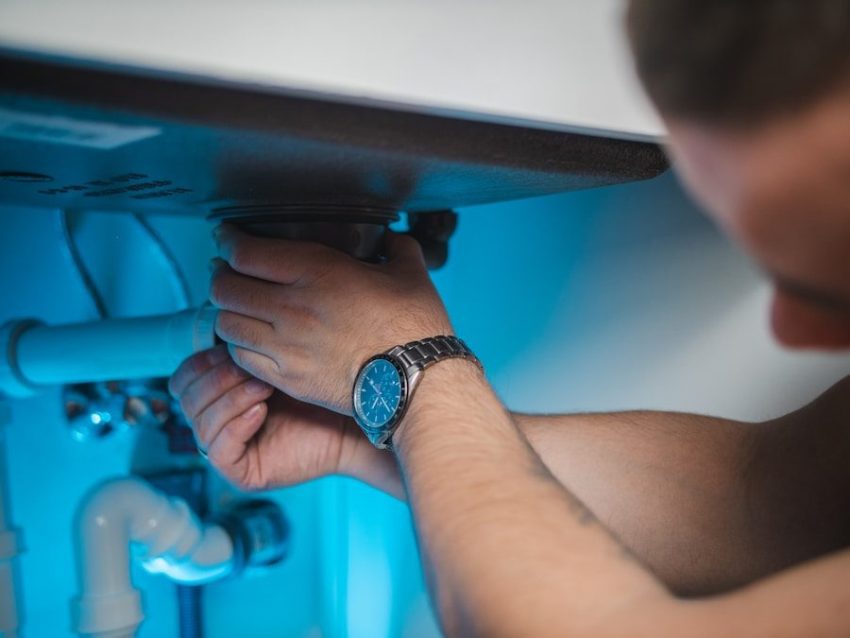
1. Corrosion Is Removed at the Source
Galvanised steel and older copper pipes corrode from the inside out. As rust and mineral deposits accumulate on pipe walls, the internal diameter shrinks — sometimes significantly. Water that once moved freely through a full-diameter pipe now has to push through a fraction of that space.
Repiping replaces those degraded pipes entirely with new materials — typically copper, PEX, or CPVC — that have smooth, clean interiors. The pressure difference after a full repipe is often noticeable almost immediately, because the restriction that had been building for years is simply gone.
2. Pressure Drops Between Fixtures Are Fixed
A common complaint in homes with ageing pipes is that pressure drops noticeably when more than one fixture is in use. Someone runs the dishwasher and the shower pressure drops. A tap is turned on in the kitchen and the bathroom loses flow.
This happens because degraded pipes cannot handle simultaneous demand. New pipes sized correctly for the home’s layout restore the capacity needed for multiple fixtures to run at the same time without competing against each other. It is the kind of improvement that changes how the whole house feels to live in daily.
3. Pinhole Leaks Stop Stealing Flow
Older pipes, particularly copper ones exposed to certain water chemistries, develop pinhole leaks over time. These leaks are often too small to cause visible water damage right away, but they bleed pressure from the system continuously.
According to the U.S. Environmental Protection Agency, household leaks can waste nearly 10,000 gallons of water per year on average — with a significant portion coming from small, hard-to-detect leaks inside walls and under floors. Repiping eliminates the entire network of compromised pipes, not just the leaks you already know about.
4. Pipe Diameter Gets Matched to Modern Demand
Many older homes were plumbed at a time when households used considerably less water than they do today. Fewer appliances, fewer bathrooms, and simpler daily routines meant thinner pipe diameters were adequate.
A modern household runs dishwashers, washing machines, multiple showers, and outdoor irrigation — often simultaneously. Homeowners looking into how proper repiping services address this will find that choosing the correct pipe diameter is an important part of the process.
Companies such as Plumbing Solutions assesses the full layout of a home before recommending pipe specifications, which means the new system is sized for how the house is actually used today, not how it was used decades ago.
5. Water Heater Performance Improves Too
Low pressure problems are not limited to cold water lines. The hot water system in a home relies on the same pipe network, and when that network is restricted, it affects how quickly hot water reaches the tap and how consistently temperature holds during use.
After repiping, the hot water side of the system benefits just as much as the cold. Water reaches fixtures faster, temperature fluctuations during simultaneous use are reduced, and the water heater itself runs more efficiently because it is no longer working against a restricted delivery system.
Practical signs this is already happening in your home:
- Hot water takes a long time to arrive at the shower or sink
- Temperature goes cold briefly when another tap is turned on
- Hot water runs out faster than it used to
6. Discolouration and Sediment Disappear
Rusty or discoloured water coming from taps is a clear signal that pipe degradation is well underway. The discolouration itself is iron oxide — rust particles flaking off corroded pipe walls and travelling with the water flow.
Beyond being unpleasant, sediment and rust particles also accumulate inside fixture aerators and appliance inlets, causing their own localised blockages. A repipe removes all of that from the equation. Clean pipe interiors mean clean water delivery, and the secondary blockages that were building up in fixtures gradually clear out as well.
7. Consistent Pressure on Every Floor
Multi-storey homes often experience a natural reduction in pressure on upper floors because water has to travel further against gravity. When pipe diameter is correct and the internal surfaces are smooth and unobstructed, this difference is manageable and usually within acceptable ranges.
When pipes are corroded and partially blocked, that natural pressure drop is compounded. Upper floor bathrooms end up with noticeably weaker flow, while ground floor fixtures may seem fine. Repiping restores the pressure baseline so that upper floors receive something close to the same flow as the rest of the house.
This makes a real difference in homes where:
- The main bathroom is on the second floor or higher
- There is a laundry or bathroom in an attic conversion
- Pressure complaints are consistently coming from one area of the house
Final Thoughts
Most homeowners notice pressure problems for years before doing anything about them. The changes tend to be gradual enough that they get normalised, even when the underlying cause is getting progressively worse.
If your home is more than 20 to 30 years old and the plumbing has never been assessed, it is worth having a professional take a look. In many cases, the pressure issues, the discolouration, and the occasional leak all trace back to the same root cause — and repiping addresses all of them in one go rather than treating each symptom separately.