
Table of Contents
- Understanding Color Durability
- Considering Climate and Environment
- Harmonizing with Architectural Style
- Testing Before Committing
- Choosing the Right Paint Sheen
- Preparing the Surface Properly
- Staying Updated with Trends
- Conclusion
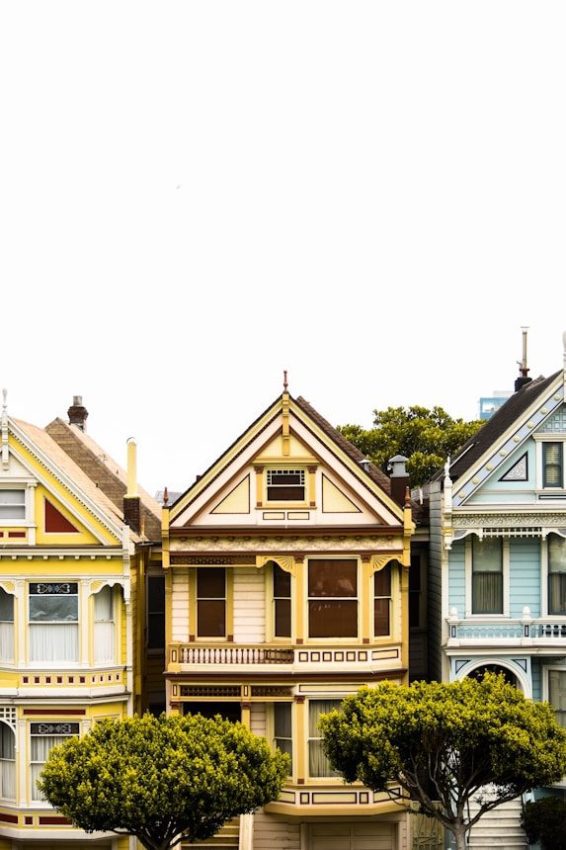
Choosing the most durable and visually appealing exterior paint color is one of the most impactful decisions a homeowner can make. The right shade and finish can boost your property’s curb appeal, extend the lifespan of the surfaces, and minimize future maintenance costs. If you’re in the Midwest and seeking local support, reaching out to an exterior painting service in Kansas City can help bring your vision to life while ensuring professional quality and results for your home. Paint color does more than transform appearances. It adds an important layer of protection to your house, standing up to weather, UV rays, and daily wear. From architectural style and pigment selection to climate considerations, this guide covers every essential factor in creating a beautiful, long-lasting exterior.
Understanding Color Durability
Paint pigments are not all equally resistant to the elements. Vibrant shades like reds, oranges, and intense blues often show fading sooner than earthy neutrals. This is due to differences between organic pigments, which typically break down faster under sunlight, and inorganic pigments, which tend to be more stable and robust. Opting for paints with durable pigments can help maintain color vibrancy and reduce repainting frequency.
Considering Climate and Environment
The regional climate where your home is located plays a critical role in how long your exterior paint will keep its color and integrity. Homes in sun-drenched areas benefit from lighter shades with higher Light Reflectance Value (LRV), which reflect sunlight and help keep surfaces cooler. In contrast, darker colors can offer extra warmth and blend naturally in colder or wooded environments. Beyond weather, consider the environmental context, such as trees, nearby buildings, and landscaping, to create a harmonious palette that complements, rather than competes with, your surroundings. Home design experts at ArchiDNA discuss popular approaches to matching exterior color schemes to different environments.
Harmonizing with Architectural Style
Your home’s architecture can inform your choice of exterior paint color. Classic houses often look best in time-honored palettes, while contemporary or modern residences can carry off bolder, trend-forward hues. Permanent features such as roofing tiles, stone, or exposed brickwork should also be considered to ensure a cohesive look. For example, a Colonial house may suit muted whites or soft grays, while a craftsman bungalow could look handsome in mossy greens or rich browns. Consider how the color will appear alongside details like shutters, doors, and trim to highlight, rather than clash with, your home’s structure.
Testing Before Committing
Before making your final decision, it is essential to paint samples on different sections of your home’s exterior. Observe these patches at various times of day, under different lighting conditions, and in various weather to see how the color fluctuates. Paint can look significantly lighter, darker, or warmer once dry and in natural sunlight. This step ensures the chosen color meets your expectations and fits naturally with other visible materials and the setting.
Choosing the Right Paint Sheen
Durability and aesthetics are influenced not only by color but also by the paint’s sheen. Matte or flat finishes help disguise surface imperfections, but they may be less resilient to harsh weather and cleaning. Satin and eggshell sheens strike a balance, providing subtle elegance and improved resistance, making them the top choice for most exterior walls. For trim, doors, or shutters that require heavier washing, semi-gloss and gloss finishes offer increased durability and are easier to clean. Balance practicality and style to ensure your choice contributes both functional value and visual appeal.
Preparing the Surface Properly
No paint color will last if applied to poorly prepared surfaces. Start by cleaning the exterior thoroughly to remove debris, mildew, and dirt. Repair cracks, chips, and areas with peeling paint, and allow surfaces to dry before priming. Quality exterior primers create a solid base, particularly for porous materials or areas prone to moisture. Proper preparation can be the difference between a crisp, long-lasting finish and one that flakes or fades quickly.
Staying Updated with Trends
While longevity and personal preference matter most, it can be inspiring to look at current trends in exterior color palettes. Warm neutrals, earthy browns, soft greens, and welcoming terracottas continue to rise in popularity, offering both classic longevity and contemporary style. These tones often work seamlessly with natural elements in landscaping and can increase appeal if resale is a future consideration. Utilizing trend research paired with timeless choices allows you to create a finish that is beautiful now and in years to come.
Conclusion
Investing time in choosing the right exterior paint color, evaluating pigment durability, assessing your climate, and preparing surfaces pays off through eye-catching appeal and fewer repaints in the future. Let your home’s architectural style and your unique taste shine while considering practical, lasting solutions. For those unsure where to start, consulting with reputable local professionals can ensure you make a choice you will appreciate for years.