
Building a barn is one of those projects many landowners think about for years before finally taking action. Whether it is for livestock, equipment storage, or homestead expansion, the timing of construction plays a major role in cost, quality, and long-term durability. Summer, in particular, offers a unique window of opportunity that makes the entire process smoother and more efficient.
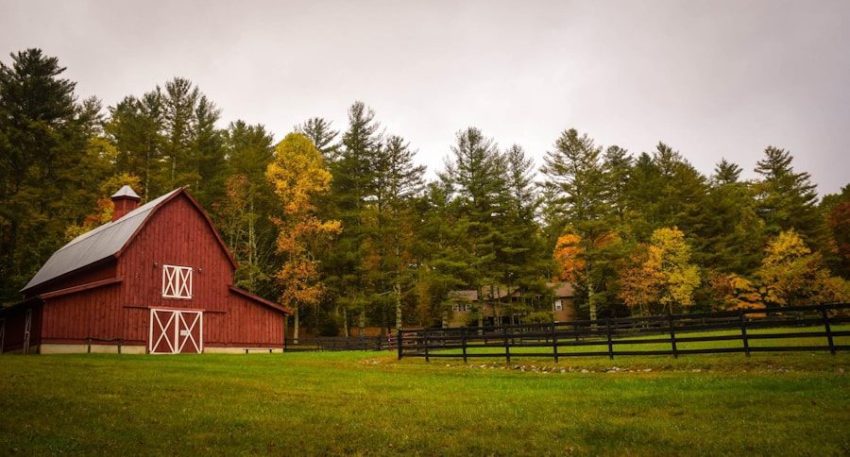
Long daylight hours, stable weather conditions, and better material availability all come together to create ideal building conditions. Instead of dealing with muddy ground, freezing temperatures, or weather delays, summer allows builders and property owners to focus on steady progress.
If you have been postponing your barn project, this season may be the best chance to move forward with confidence.
Why Summer Weather Makes Barn Construction Easier
One of the biggest advantages of building in summer is predictability. Construction projects depend heavily on weather stability, and summer generally provides that consistency.
Some key benefits include:
- Dry soil conditions make foundation work more reliable
- Fewer weather delays compared to winter or rainy seasons
- Longer daylight hours for extended work schedules
- Faster curing time for concrete and other materials
- Easier transportation of materials on rural or unpaved roads
When the ground is solid and the skies are clear, crews can work faster and more efficiently. That not only shortens the timeline but also helps maintain better construction quality overall.
Faster Builds with Modern Prefab Options
In recent years, barn construction has evolved significantly. Instead of relying solely on traditional on-site building methods, many property owners are turning to modular and prefabricated solutions. These approaches streamline the process and reduce unexpected delays.
One popular option among rural landowners is exploring prefab barns in Texas for projects that need to be completed quickly without sacrificing durability. Prefabricated structures are built in controlled environments and then assembled on-site, which reduces weather-related risks and improves construction quality consistency.
This method is especially useful during the summer because:
- Components are prepared in advance
- On-site assembly is faster and more organized
- There is less dependency on continuous good weather
- Material waste is often reduced due to precise manufacturing
For many property owners, this approach strikes a balance between efficiency and long-term reliability, especially when time is a major factor.
Choosing the Right Barn Type for Your Needs
Before starting construction, it is important to understand the different types of barns available and how they align with your goals. Not all barns serve the same purpose, and choosing the right one can save both money and future maintenance headaches.
Common barn types include:
- Storage barns: Ideal for equipment, tools, and feed
- Livestock barns: Designed for cattle, goats, or other animals
- Workshops or hybrid barns: Combine storage and workspace
- Equestrian barns: Built specifically for horses and riding needs
Each type has different ventilation, space, and structural requirements. For example, livestock barns often prioritize airflow and easy cleaning, while storage barns focus more on security and weather protection.
Taking time to define your primary use will guide decisions about layout, materials, and design features.
Planning for a Smooth Construction Process
Even with good weather and modern building methods, planning is still the foundation of a successful barn project. A well-prepared plan reduces delays and prevents costly changes during construction.
Here are some practical steps to consider:
- Choose a location with proper drainage and stable ground
- Check local building codes and permit requirements
- Plan access routes for construction vehicles and materials
- Decide on future expansion needs early
- Set a realistic budget with some flexibility
It is also helpful to consult with builders early in the process. Experienced professionals can identify potential issues before construction begins, saving both time and money.
Why Quality Matters More Than Speed
While summer allows for faster construction, quality should never be compromised. A barn is a long-term structure, and its durability depends on the materials and craftsmanship used in its construction.
Key quality factors to evaluate include:
- Structural framing strength and load capacity
- Roof design and weather resistance
- Proper ventilation systems to prevent moisture buildup
- Foundation quality and soil preparation
- Material selection for siding and insulation
For horse owners in particular, attention to detail becomes even more important. Horses require safe, well-ventilated, and comfortable environments to remain healthy. Poor design can lead to long-term maintenance issues and even health risks for animals.
It is why many property owners specifically look for quality modular barns for horses when planning equestrian facilities. These structures are designed with animal safety, airflow, and ease of maintenance in mind, making them a practical long-term investment for horse care.
Common Mistakes to Avoid During Barn Construction
Even with good planning, some mistakes can slow down or complicate barn projects. Being aware of these can help you avoid unnecessary stress.
Common issues include:
- Choosing the wrong site with poor drainage
- Underestimating future storage or space needs
- Skipping proper ventilation design
- Ignoring seasonal weather impacts on materials
- Selecting low-quality materials to cut initial costs
Each of these can lead to higher repair costs later. A well-built barn should serve its purpose for many years with minimal structural issues.
Preparing Your Property for Long-Term Use
A barn is more than just a building. It becomes part of your daily operations, whether for farming, livestock care, or equipment storage. Thinking long-term during the planning phase helps ensure better usability and efficiency.
Consider adding features such as:
- Wide entry doors for equipment access
- Interior partitions for organization
- Water and electrical access points
- Proper lighting for evening use
- Durable flooring suitable for heavy use
These small details can significantly improve functionality and convenience over time.
Conclusion: Summer Is the Right Time to Take Action
If you have been delaying your barn project, summer provides a practical opportunity to move forward. With favorable weather, faster construction timelines, and improved building options, it is one of the most efficient times to start.
From choosing the right design to selecting durable materials and planning for long-term use, every decision contributes to the success of the final structure. Whether your focus is storage, livestock, or horses, careful planning ensures your barn will serve you well for years to come.
Taking action now means your barn can be ready before harsher weather arrives, giving you both peace of mind and a fully functional space when you need it most.