
Seasonal changes do more than affect the weather outside. They can also have a noticeable impact on the floors inside your home. As humidity rises and falls throughout the year, wood flooring naturally expands and contracts. How much or little indoor humidity you have can impact your floors as well.
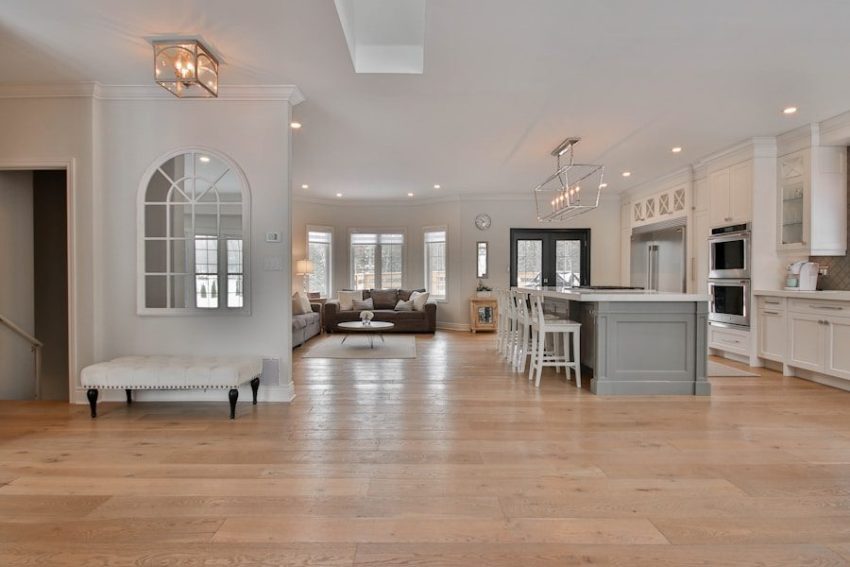
Taking a few preventive steps can help protect your floors and keep them looking their best for years to come. Regular maintenance, including Floor sanding in many cases, can help restore worn wood surfaces and protect them against additional damage. Combined with proper humidity control and routine care, this can extend the life of your flooring while preserving its appearance.
Maintain Consistent Indoor Humidity
One of the best ways to protect hardwood floors is to keep humidity levels as consistent as possible. Excess moisture can cause wood to swell and warp whereas very dry air may lead to shrinking, gaps, or even small cracks. You can’t do anything about humidity outside, but you can take measures to control it indoors. Using a humidifier during dry seasons and a dehumidifier during humid months can help create a more stable environment for your floors.
Clean Up Moisture Quickly
Water is one of the biggest threats to wood flooring. Though it may have special coatings to protect it against moisture, it’s still susceptible to damage. Spills should be wiped up promptly to prevent moisture from soaking into the wood. It’s also a good idea to place mats near entryways to catch rainwater, snow, or mud before it reaches your floors. This simple habit can reduce moisture exposure throughout the year.
Inspect for Signs of Wear
Regularly examine your floors for scratches, dents, worn patches, discoloration, or small gaps between boards. Catching minor issues early often prevents them from becoming larger, more expensive repairs later. If you notice damage or wear, a flooring professional can help determine the best solution. It’s best to take care of damage quickly to help keep it to a minimum.
Protect High-Traffic Areas
Areas that receive frequent foot traffic often experience faster wear than the rest of the floor. Rugs and runners can provide an extra layer of protection while also helping reduce the amount of dirt and grit that can scratch the finish. Choose rugs with floor-safe backing to avoid trapping moisture or causing discoloration.
Refinish When Necessary
Over time, protective finishes naturally wear down. Refinishing restores the protective surface and helps shield the wood from seasonal moisture changes. When you should refinish wood flooring depends on the age of the floor, the amount of traffic it receives, and its overall condition. A fresh finish can improve durability, longevity, and appearance.
Use Proper Cleaning Products
Not all cleaning products are suitable for wood flooring. Harsh chemicals or excessive amounts of water can damage the finish and the wood beneath it. That leaves it more vulnerable to seasonal humidity changes. Follow the manufacturer’s recommendations or use cleaners specifically designed for hardwood floors to keep the surface clean without causing unnecessary wear.
Protecting Your Investment Year Round
Wood flooring is an investment that benefits from regular care in every season. By managing indoor humidity, cleaning up moisture quickly, protecting high-traffic areas, and addressing wear before it becomes serious, homeowners can help preserve the beauty and strength of their floors. Pay attention to seasonal changes, and don’t overlook the value of routine maintenance. Combining at-home care with professional upkeep will ensure your hardwood floors continue to provide warmth, beauty, and lasting value for many years to come.