
If you’re planning a kitchen update, your cabinets are one of the first features worth evaluating. They take up a large amount of visual space and play a major role in how the kitchen functions every day. When they look dated, feel worn, or no longer offer the storage you need, the whole room can start to feel less practical.
The question is whether your cabinets need a surface update or a complete replacement. In this blog, we’ll cover how to compare both options, what to check before making a decision, and when to replace kitchen cabinets instead of spending money on a short-term refresh.
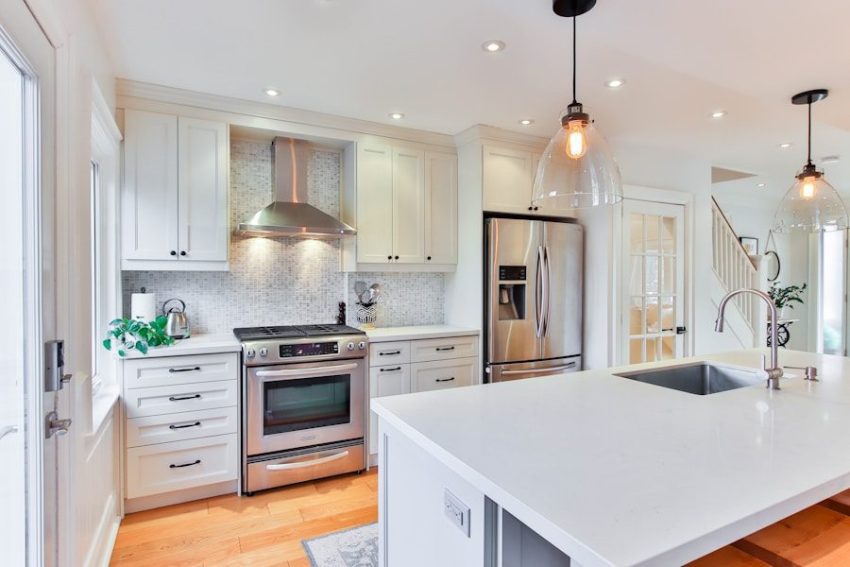
Refacing or Replacing Kitchen Cabinets: What is the Difference?
When it comes to upgrading kitchen cabinets, there are typically two options homeowners can choose from: refacing or replacing. These terms may sound similar, and they both have the same general goal of making your kitchen look better and feel more updated, but they involve very different levels of work.
Cabinet refacing keeps the existing cabinet boxes in place. Instead of removing everything, the visible parts of the cabinets are updated. This may include replacing the doors and drawer fronts, adding new veneer or finish to the cabinet frames, and changing the hardware for a cleaner, more current look.
On the other hand, cabinet replacement is a much bigger project. That’s because it involves removing old cabinets and getting new ones installed in their place. This gives you more freedom to change the layout, improve storage, adjust cabinet sizes, or choose a design that fits your kitchen better.
The Cabinet Health Check: When to Reface and When to Replace
Knowing where to save and where to splurge on a kitchen remodel can help you make smarter choices with your budget. The same idea applies when deciding whether to reface or replace your kitchen cabinets.
Before you decide between refacing or replacing kitchen cabinets, take a closer look at the cabinet boxes you already have. This is especially important if you are upgrading kitchen cabinets on a budget because the condition of the boxes can quickly tell you whether refacing is still a smart option or whether replacement would make more sense.
- Check the cabinet frames. If they are straight, level, and securely attached, refacing may still be worth considering. If they are warped, sagging, or pulling away from the wall, replacement may be the safer choice.
- Look closely at the sink base. A dry, firm sink base is a good sign. If the bottom panel feels soft, smells musty, or shows swelling, water damage may be too serious to cover with new doors or finishes.
- Test the shelves and drawers. If they still hold everyday items and open smoothly, the structure may be strong enough for refacing. If shelves are sagging or drawers keep slipping off track, the cabinet system may be wearing out.
- Think about what bothers you most. If the main issue is the cabinet color, door style, or hardware, refacing can often solve it. If the problem is poor storage, awkward access, or a layout that frustrates you every day, replacement may be more practical.
- Consider whether new doors would fix the kitchen. If a cleaner finish would make you happy with the space, refacing may be enough. If you would still dislike the kitchen after a cosmetic update, the issue likely goes deeper.
DIY Cabinet Refacing Tips Before You Start Pulling Off Cabinet Doors
If your cabinet boxes are still in good condition, DIY cabinet refacing may be worth considering. It can help you update the look of your kitchen without the cost and disruption of a full cabinet replacement. Here are some helpful tips for homeowners planning on doing a DIY cabinet refacing:
- Check the cabinet boxes first. Refacing only makes sense if the boxes are sturdy, dry, and securely attached. If you see swelling, soft spots, or loose frames, it may be better to pause and consider replacement.
- Label every door and drawer front. Use painter’s tape or small labels so each piece goes back in the right place. Even cabinets that look identical can fit slightly differently.
- Take photos before removing hardware. Photos can help you remember how hinges, pulls, and drawer fronts were installed, especially if you are working over several days.
- Clean the surfaces thoroughly. Kitchen cabinets collect grease, dust, and residue over time. Paint, veneer, and adhesive will not hold well if the surface is not properly cleaned first.
- Do not skip sanding or prep work. This is the step many people rush, but it has a big effect on how smooth and durable the final result looks.
Signs That Your Kitchen Cabinets Need Replacing Over Refacing
Refacing works best when the cabinet boxes are solid, and the layout still works. But if your inspection points to damage, instability, or bigger layout issues, replacement may be the better long-term move.
While refacing is almost always the more affordable short-term option, the professionals at Seattle Cabinets point out that full replacement often makes more financial sense for cabinets that are structurally compromised or significantly outdated.
A good way to decide is to ask whether the issue is cosmetic or functional. Refacing can help with appearance, but it will not rebuild weak cabinet boxes, repair water damage, or improve a layout that no longer works. Watch for signs such as:
- Water damage around the sink, dishwasher, or lower cabinets
- Cabinet boxes that wobble, shift, or pull away from the wall
- Warped frames that make doors hang unevenly
- Sagging shelves or failing drawers
- Storage that no longer fits your routine
- A layout that limits appliance upgrades or kitchen flow
Final Takeaway
Choosing between cabinet refacing and full replacement starts with understanding what your cabinets actually need. If the boxes are solid, the layout still works, and the main issue is how the cabinets look, refacing can be a practical way to refresh your kitchen without starting from scratch. If the cabinets are damaged, unstable, or no longer support how you use the space, replacement may be the better long-term choice.
The right decision is not always the cheapest option upfront. It is the option that solves the real problem, whether that is outdated cabinet doors, poor storage, water damage, or a layout that no longer makes sense for your home.